

“Shirilla the Killa”: Former Inmate Claims Mackenzie Shirilla Embraced Prison Nickname & Talked About Fame After Release
A new interview with a former inmate is reigniting public debate surrounding Mackenzie Shirilla, the Strongsville crash case, and the question many people have continued asking for years: did Mackenzie Shirilla ever show remorse? According to former inmate Shyann Topping, the answer was no — and her claims about prison behavior, future fame, and the nickname “Shirilla the Killa” are once again putting the behavioral side of this case back under a microscope.
“Shirilla the Killa” Is Reigniting Debate All Over Again
There is something deeply unsettling about hearing someone convicted in a case involving the deaths of two young men allegedly laugh about being called “Shirilla the Killa” behind bars.
Not because the nickname itself proves guilt — the courts already handled that part — but because of what many people believe it potentially says about mindset, image, attention, and the ongoing questions surrounding remorse in this case.
According to new reporting published by PEOPLE Magazine, former Ohio Reformatory for Women inmate Shyann Topping claims Mackenzie Shirilla openly laughed while discussing how fellow inmates referred to her as “Shirilla the Killa” after arriving in prison following her 2023 conviction.
The allegations are now reigniting public discussion surrounding the deaths of Dominic Russo and Davion Flanagan, the Netflix documentary The Crash, and the sharply divided opinions that continue to surround this case years later.
The Former Inmate’s Claims
Topping says she briefly dated Mackenzie Shirilla while the two were incarcerated together.
According to her interview, Shirilla allegedly carried herself like the “popular girl” of prison — confident, social, appearance-focused, and fully aware of the attention surrounding her notoriety.
Another former inmate reportedly compared Mackenzie to “Regina George” from Mean Girls, describing her as someone who walked around with an “It Girl” aura and appeared comfortable being the center of attention.
But what many readers are focusing on most is not the popularity claims.
It is the repeated allegation that Mackenzie allegedly never appeared emotionally affected by the deaths of Dominic Russo and Davion Flanagan.
According to the former inmates interviewed, there were reportedly no visible moments of grief, visible remorse, emotional breakdowns, or sadness connected to the fatal 2022 Strongsville crash.
Instead, they described someone who spent her time socializing, doing arts and crafts, listening to music, line dancing, discussing future plans, and talking about what life would look like after prison.
Claims About Fame, Influence, & Life After Prison
One of the most controversial parts of the interview involves allegations about Mackenzie Shirilla’s future goals after release.
Topping claims Shirilla talked about becoming an influencer, traveling, writing a book about the case, and “living it up” after prison.
She also claimed Mackenzie believed she would eventually get out despite being sentenced to 15 years to life for the deaths of Dominic Russo and Davion Flanagan.
For many people following this case, those allegations immediately tie back into the growing public conversation surrounding notoriety, attention, and the way high-profile criminal cases can evolve into media ecosystems online.
That conversation became even louder after Netflix released The Crash, which introduced the case to an entirely new audience and reignited public debate across social media platforms.
The Part Many People Are Missing
One of the more important details in PEOPLE’s reporting is that Topping says she did not initially believe Mackenzie Shirilla was guilty.
According to her statements, while incarcerated she only knew the version of events Mackenzie herself allegedly shared.
But after being released and independently reviewing publicly available evidence, prosecution arguments, and case details, Topping says her perspective changed completely.
She specifically referenced realizing that Mackenzie may have simply been presenting herself in whatever way benefited her at the time.
That detail matters because it shifts the conversation beyond prison gossip and into a broader discussion about manipulation, image management, perception, and public sympathy.
The Behavioral Side of This Case Still Haunts People
One reason this case continues to divide people online years later is because many discussions surrounding Mackenzie Shirilla extend beyond the crash itself.
People continue debating behavior.
Body language.
Interviews.
Emotional reactions.
Social media behavior.
Public image.
And now, prison behavior allegations.
To some people, interviews like this reinforce long-held concerns about narcissism, manipulation, lack of remorse, or emotional detachment.
To others, former inmate interviews should be viewed cautiously, especially given the media attention surrounding this case.
Either way, the public reaction has been intense.
The Netflix Effect
There is also a larger conversation happening here about the power documentaries now hold over public perception.
Many viewers walked away from The Crash feeling sympathy for Mackenzie Shirilla.
Others believed the documentary softened important aspects of the prosecution’s case or failed to fully capture why so many people viewed the crash as intentional.
Now, interviews like this are reopening those debates all over again.
Supporters of Mackenzie argue that prison gossip and former relationship drama should not outweigh courtroom evidence.
Critics argue that behavioral patterns matter — especially in cases where questions about remorse and accountability have existed from the very beginning.
My Opinion
Personally, I think what unsettles people most is not even the nickname itself.
It is the possibility that someone connected to such a devastating case could allegedly view notoriety, attention, or public fascination as something entertaining rather than horrifying.
Again, none of this changes the legal outcome of the case.
But behavior matters to people. Human reactions matter to people. And when someone is accused or convicted in a case involving horrific loss of life, the public naturally watches closely for signs of grief, empathy, remorse, or emotional weight.
That is why allegations like these hit such a nerve online.
Because whether fair or unfair, many people still judge this case not only through legal evidence, but through the emotional and behavioral lens surrounding it.
Final Thoughts
Whether people agree with Shyann Topping speaking publicly or not, this interview has undeniably reignited debate surrounding Mackenzie Shirilla, the Netflix documentary The Crash, and the larger conversations about accountability, manipulation, image management, notoriety, and remorse.
This case continues to divide people online years later.
And interviews like this are exactly why so many people continue revisiting the behavioral side of the case long after the courtroom proceedings ended.
At the center of all of this, however, remain Dominic Russo and Davion Flanagan — two young men whose deaths continue to fuel one of the internet’s most emotionally charged and publicly debated cases in recent memory.
Continue Investigating
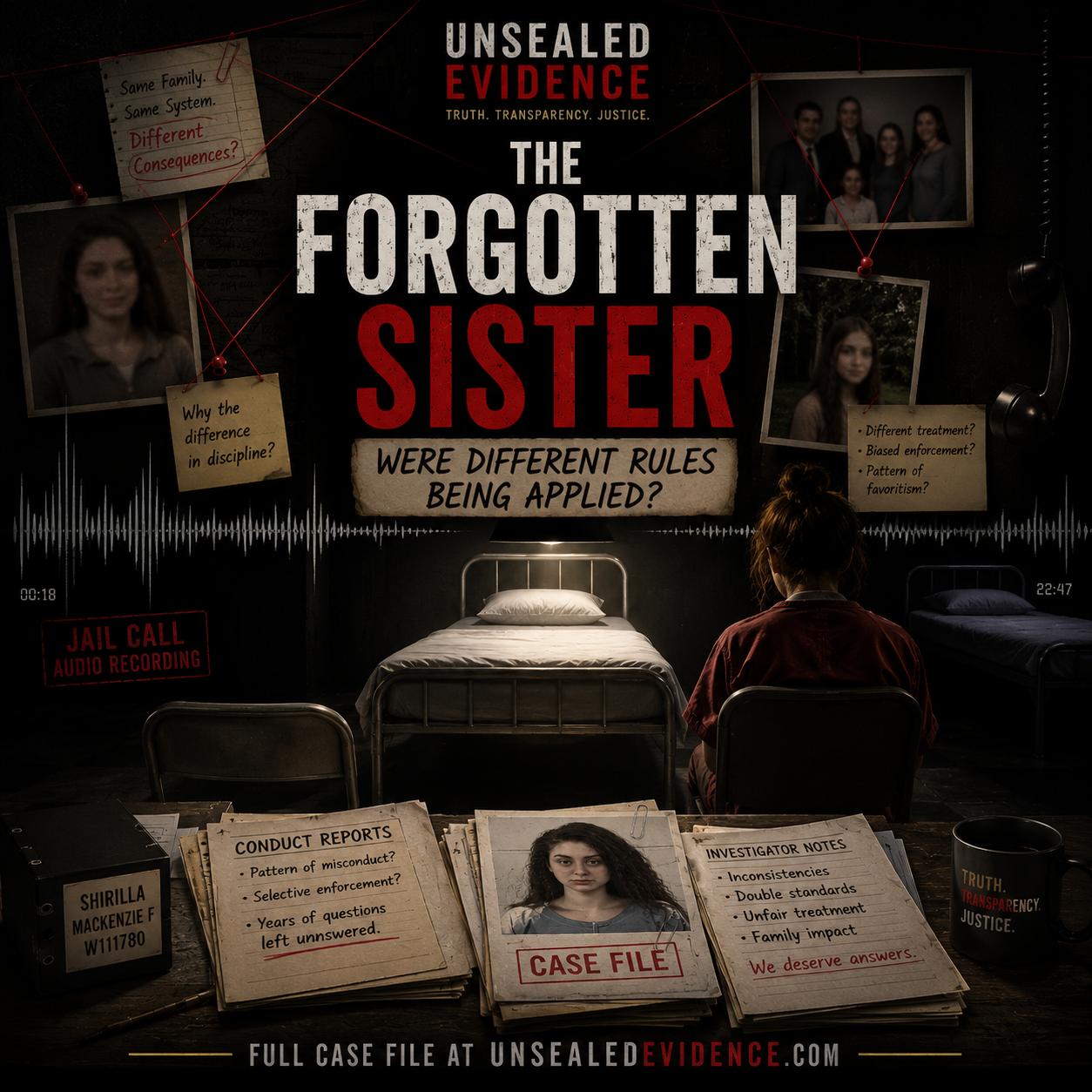
The Forgotten Sister: Was Danielle Shirilla Held To Different Standards Than Mackenzie?
One comment buried inside a recorded jail call has people asking a question few seem interested in discussing: what was life like for Danielle Shirilla? While Mackenzie Shirilla became the focus of documentaries, headlines, and public attention, her older sister remains almost entirely absent from the story. A remark about Danielle losing her bed frame has reignited conversations about whether both daughters were held to the same standards.
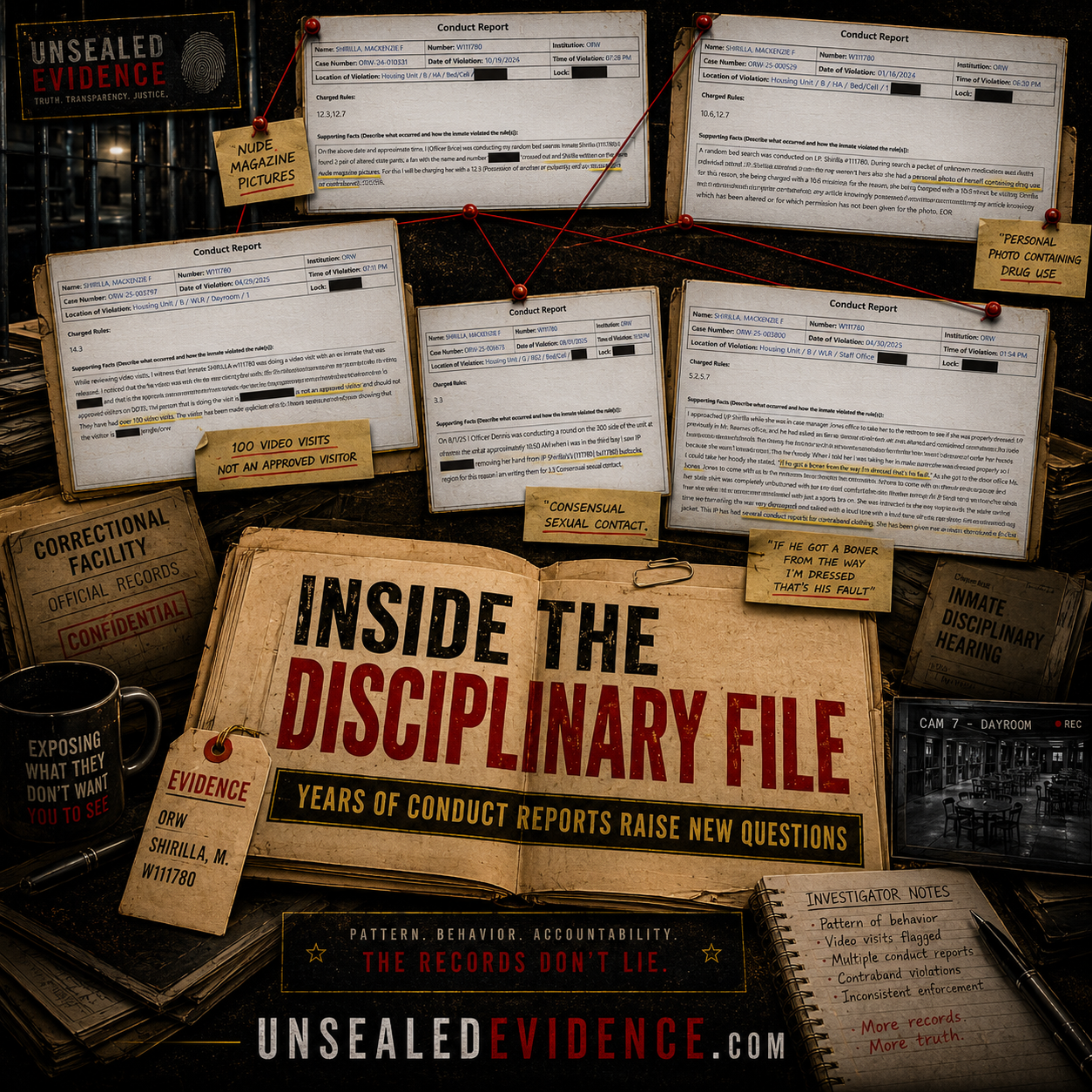
Nude Photos, Explicit Video Calls, Unauthorized Medication and More: Inside Mackenzie Shirilla's Prison Disciplinary File
What exactly has Mackenzie Shirilla been getting written up for while behind bars? Newly obtained disciplinary records reveal allegations involving nude magazine photos, unauthorized medication, explicit video calls, stolen property, contraband, and more.
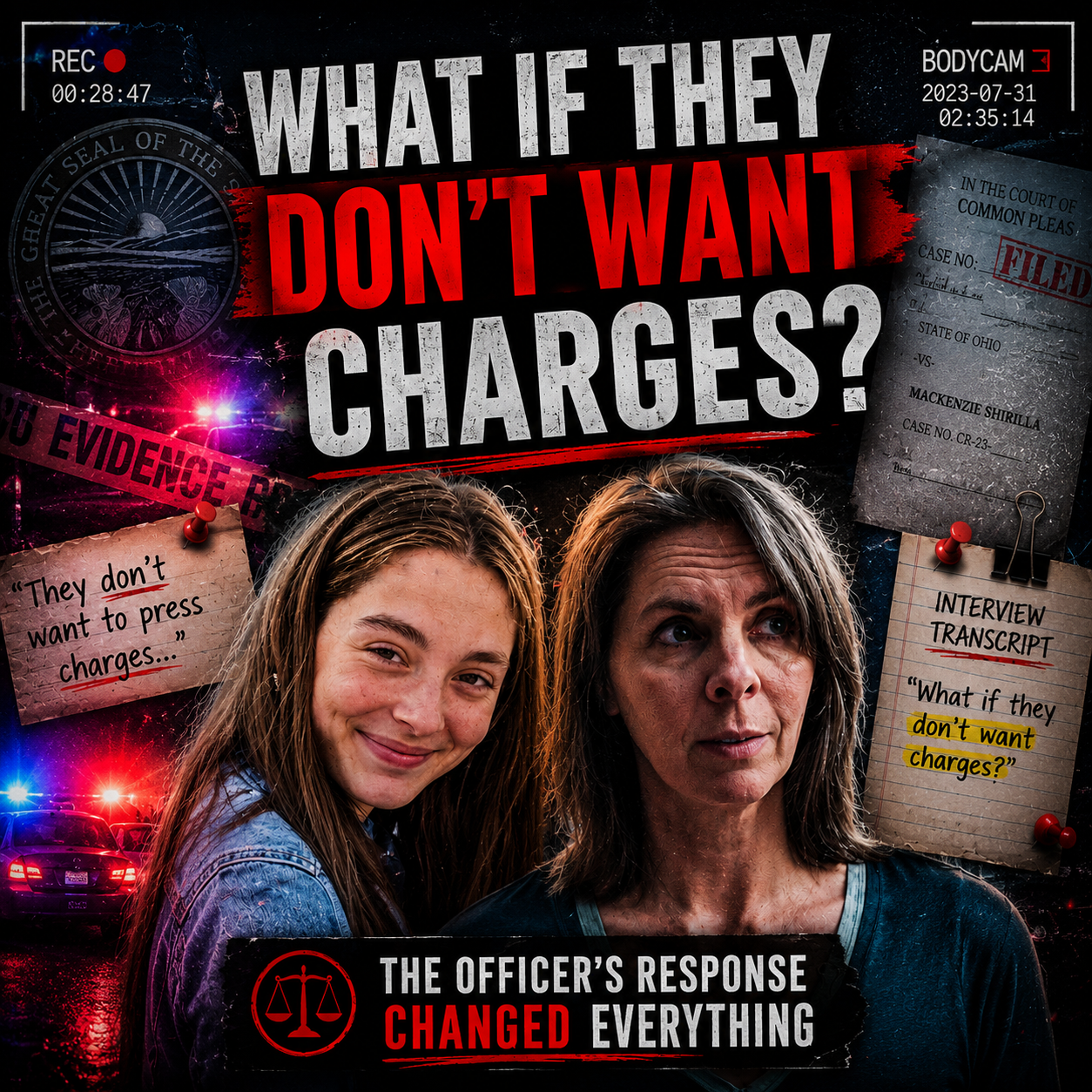
"What If The Families Don't Want Charges?" The Bodycam Exchange People Can't Stop Talking About
One of the most revealing moments in the newly released Mackenzie Shirilla bodycam footage has nothing to do with the crash itself. Instead, it centers on a conversation about whether Dominic Russo's and Davion Flanagan's families wanted criminal charges filed—and the officer's explanation of why that decision was no longer up to them.

Kim Kardashian Reportedly Has No Interest In Mackenzie Shirilla's Case
Recorded jail calls revealed Mackenzie Shirilla discussing the possibility that Kim Kardashian might take an interest in her case. Days later, multiple media outlets reported that sources close to Kardashian indicated she has no plans to become involved, raising new questions about how Mackenzie and her family view public attention surrounding the case.
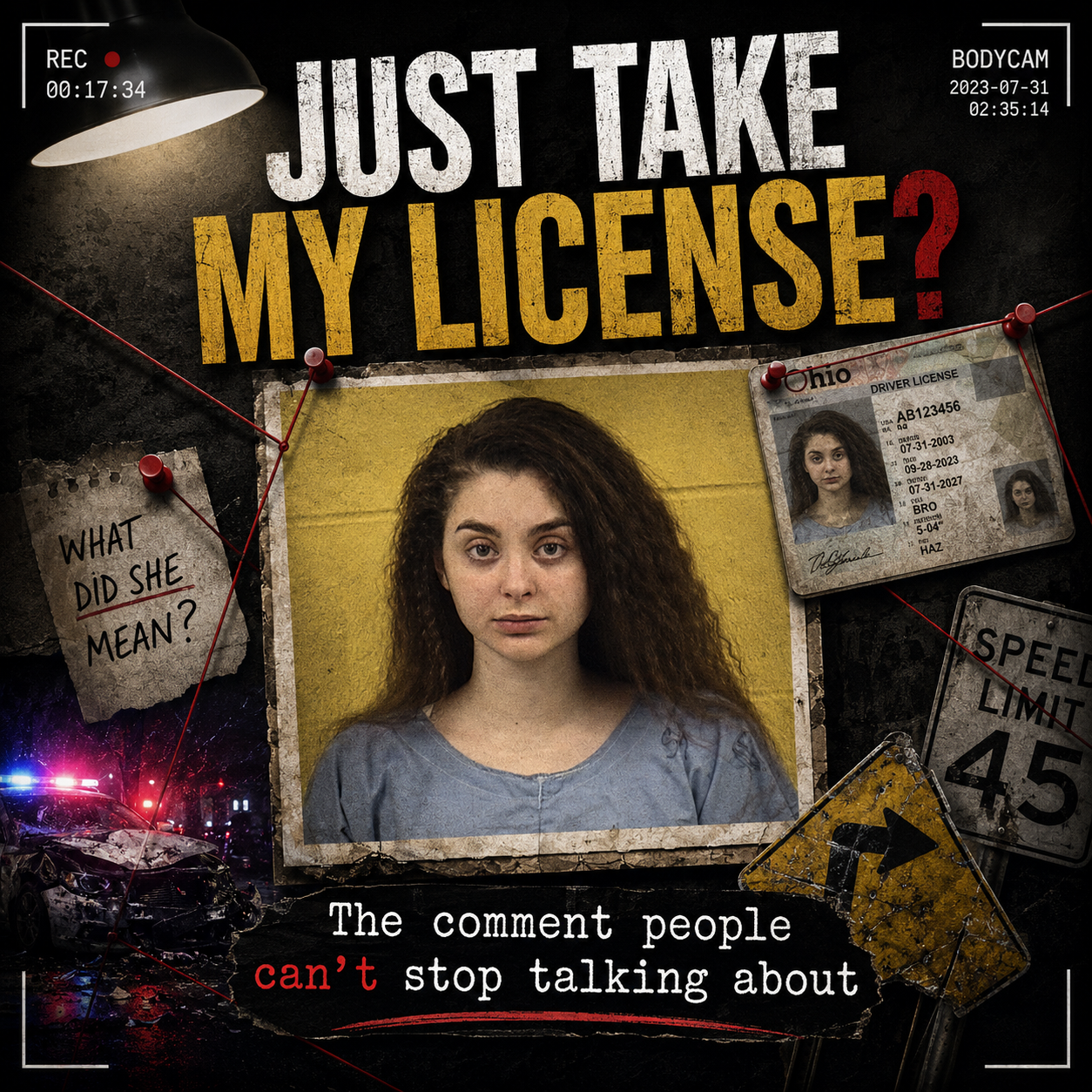
Did Mackenzie Shirilla Think Losing Her License Was the Worst Possible Outcome?
Among the newly released bodycam footage in the Mackenzie Shirilla case, one comment continues generating strong reactions. During a conversation with police, Mackenzie reportedly asked whether her driver's license could simply be taken away for ten years. Years later, critics still point to that exchange as a revealing glimpse into how she may have viewed the situation in the immediate aftermath of the crash.
Why Were Snapchat Messages One of Mackenzie Shirilla's First Concerns After the Crash?
Newly released bodycam footage from the Mackenzie Shirilla case is sparking debate online after a conversation about Snapchat messages took center stage shortly after investigators returned her phone. For critics of Mackenzie Shirilla, the exchange raises uncomfortable questions about priorities, mindset, and what seemed most important in the aftermath of a crash that killed Dominic Russo and Davion Flanagan.

More Than The Friend In The Backseat: Remembering Davion Flanagan
In many true crime stories, victims slowly become overshadowed by the person responsible. But Davion Flanagan was more than a victim. He was an athlete, a mentor, a son, a friend, and a young man with dreams of becoming a barber. This is the story of who Davion was before the headlines.

The Midnight Warm Milk Mystery: The Text Messages Raising New Questions About Mackenzie Shirilla's Home Life
Among the thousands of text messages extracted from Mackenzie Shirilla's phone, one recurring theme stands out. Over and over again, often after midnight and sometimes as late as 3 AM, Mackenzie repeatedly asked her father to make her warm milk. The requests appear frequently enough to draw attention, but it is the surrounding circumstances that have left many people asking whether these messages were really about milk at all.