The Other Side of Mackenzie Shirilla: FOIA Files, Alleged Sex Work, CashApp Screenshots & The Image Netflix Never Showed
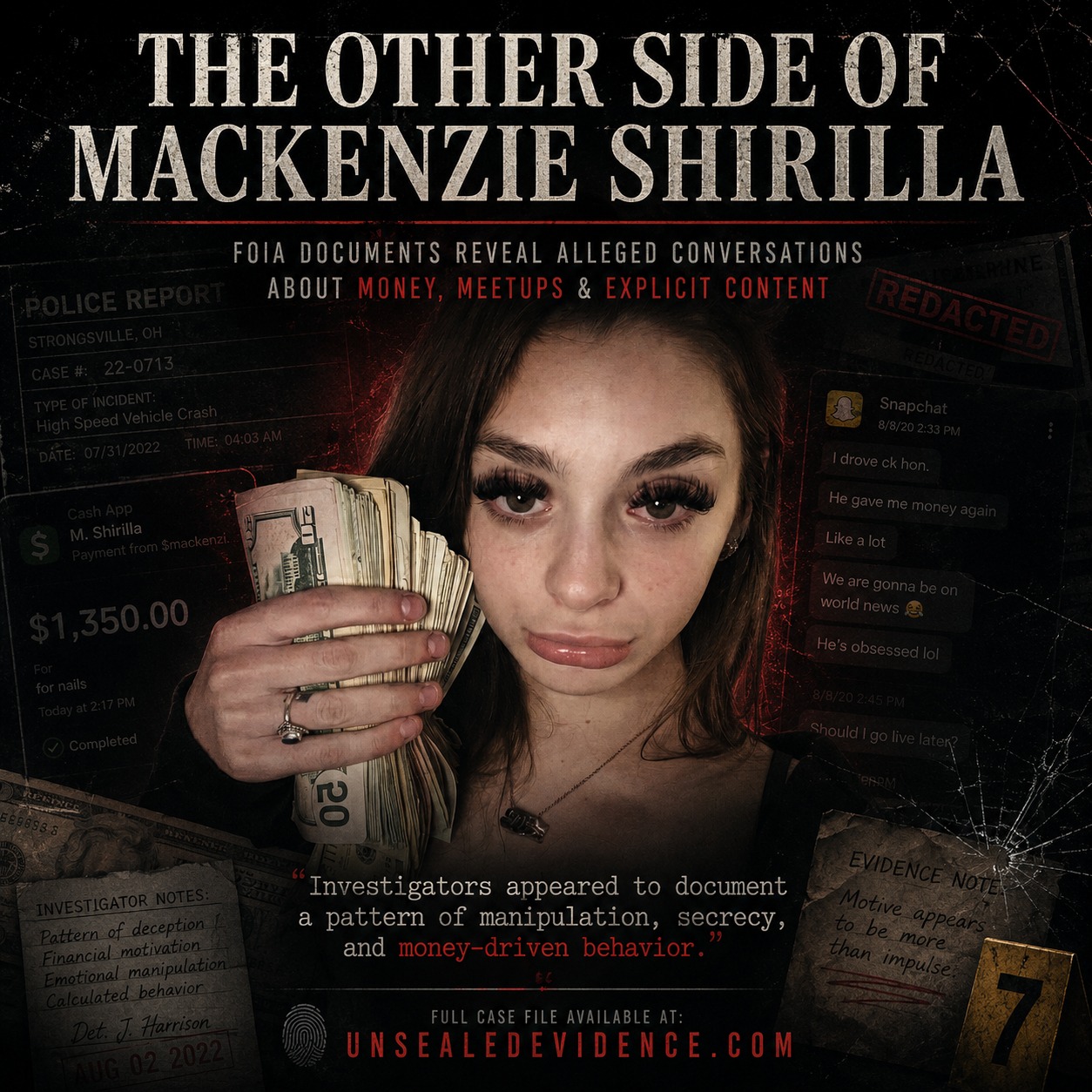
FOIA documents tied to the Mackenzie Shirilla investigation are painting a version of the case many viewers say Netflix’s The Crash barely touched. Investigative slides allegedly showing Snapchat negotiations, CashApp discussions, explicit content pricing, and references to secret meetups are now fueling larger conversations about manipulation, image management, recklessness, and the psychology surrounding the fatal Strongsville crash.
The FOIA Files Reveal a Side of This Case Netflix Barely Touched
One thing that has stood out to me while digging through the FOIA files connected to the Mackenzie Shirilla case is the pattern investigators themselves appeared to be documenting regarding money, secrecy, manipulation, and the lengths Mackenzie allegedly seemed willing to go to in order to get what she wanted.
And honestly, the deeper I go into these files, the harder it becomes for me to reconcile this material with the image many viewers walked away with after watching Netflix’s The Crash.
Because the version presented publicly in the documentary often felt centered around a fragile teenager caught in a tragic accident.
But some of the investigative material included in these FOIA documents appears to tell a much darker and far more complicated story.
The Investigative PowerPoint
Inside a presentation reportedly labeled “22-086777 Agg Murder Power Point”, investigators included multiple slides allegedly showing Snapchat conversations tied to the account “kenzieshirillaa.”
According to the investigative slides, the conversations allegedly included discussions involving:
- CashApp transactions
- large amounts of cash
- references to “bands”
- pricing for explicit content
- references to “1k pics”
- references to “2k link”
- alleged meetup discussions
The material appears to show investigators building a broader picture of Mackenzie Shirilla’s lifestyle, online behavior, financial motivations, and overall mindset leading up to the fatal 2022 Strongsville crash that killed Dominic Russo and Davion Flanagan.
The Part That Changes Everything For Me
Here is the detail that genuinely changed how I personally started viewing the overall psychology surrounding this case:
Mackenzie Shirilla was reportedly still a minor during many of these alleged conversations and screenshots.
That matters.
Because when you step back and examine the totality of what investigators appeared to be documenting, this no longer feels like the image of someone naïve, sheltered, unaware, or incapable of manipulation.
According to these investigative materials, this was allegedly someone already deeply involved in secrecy, image management, money-focused behavior, hidden communications, and negotiating explicit exchanges while still underage.
And whether people are comfortable admitting it or not, that absolutely changes how many people interpret the behavioral side of this case.
Why Character Evidence Matters
Every single time discussions like this come up, someone inevitably says:
“This has nothing to do with the crash.”
But I completely disagree.
Character evidence matters when people are trying to understand intent, recklessness, manipulation, deception, emotional detachment, and the psychology surrounding a case.
Especially a case where prosecutors argued the crash was intentional.
When you start layering together:
- the alleged social media behavior
- the obsession with image and control
- the secrecy
- the alleged manipulation after the crash
- the “medical emergency” narrative
- the seatbelt details
- the lack of visible braking
- the steering through curves at nearly 100 mph
- the prosecution’s arguments about intent
…it begins creating a much larger psychological picture.
At least for me personally.
The Netflix Narrative vs. The FOIA Narrative
This is one reason the public reaction to Netflix’s The Crash became so divided.
Many viewers walked away feeling sympathy for Mackenzie Shirilla.
Others believed the documentary heavily softened the prosecution’s arguments and failed to fully explore the darker behavioral evidence investigators appeared to be examining behind the scenes.
Because these FOIA materials do not paint the image of someone helpless or unaware of consequences.
Instead, the investigative slides appear to document someone investigators themselves may have viewed as highly calculated, socially aware, manipulative, image-focused, and deeply invested in maintaining a certain lifestyle.
That does not automatically prove motive by itself.
But it absolutely impacts how people interpret everything surrounding the crash.
The Bigger Psychological Question
One of the biggest ongoing debates in this case has always been this:
Was the crash truly an accident?
Or was there a level of intentionality, recklessness, emotional instability, manipulation, or control involved that goes far beyond what many people originally realized?
The FOIA files do not answer every question.
But they do appear to reveal a side of Mackenzie Shirilla that many members of the public never saw before.
A side involving secrecy.
A side involving alleged manipulation.
A side involving money.
A side involving image.
And potentially a side involving someone who had already become comfortable living double lives long before the fatal crash ever happened.
My Opinion
Personally, the more FOIA material I review, the harder it becomes for me to believe this case can simply be written off as a tragic teenage accident.
Because when you isolate individual pieces of evidence, people can always explain them away one at a time.
But when you start stacking all of these behavioral patterns together, the overall picture becomes increasingly difficult to ignore.
And honestly, I think that is exactly why this case continues haunting people years later.
Not just because of the crash itself.
But because so many people feel like they still do not fully know who Mackenzie Shirilla really was behind the image presented publicly.
Final Thoughts
The FOIA files connected to this case are continuing to raise serious conversations about manipulation, secrecy, image management, intent, and the version of events the public was shown versus the version investigators themselves appeared to be building internally.
Whether someone agrees with the prosecution’s theory or not, these investigative materials undeniably add important context to the broader behavioral picture surrounding the deaths of Dominic Russo and Davion Flanagan.
And for many people following this case closely, the deeper they dig into these documents, the harder it becomes to view the Strongsville crash as nothing more than a simple accident.
Continue Investigating
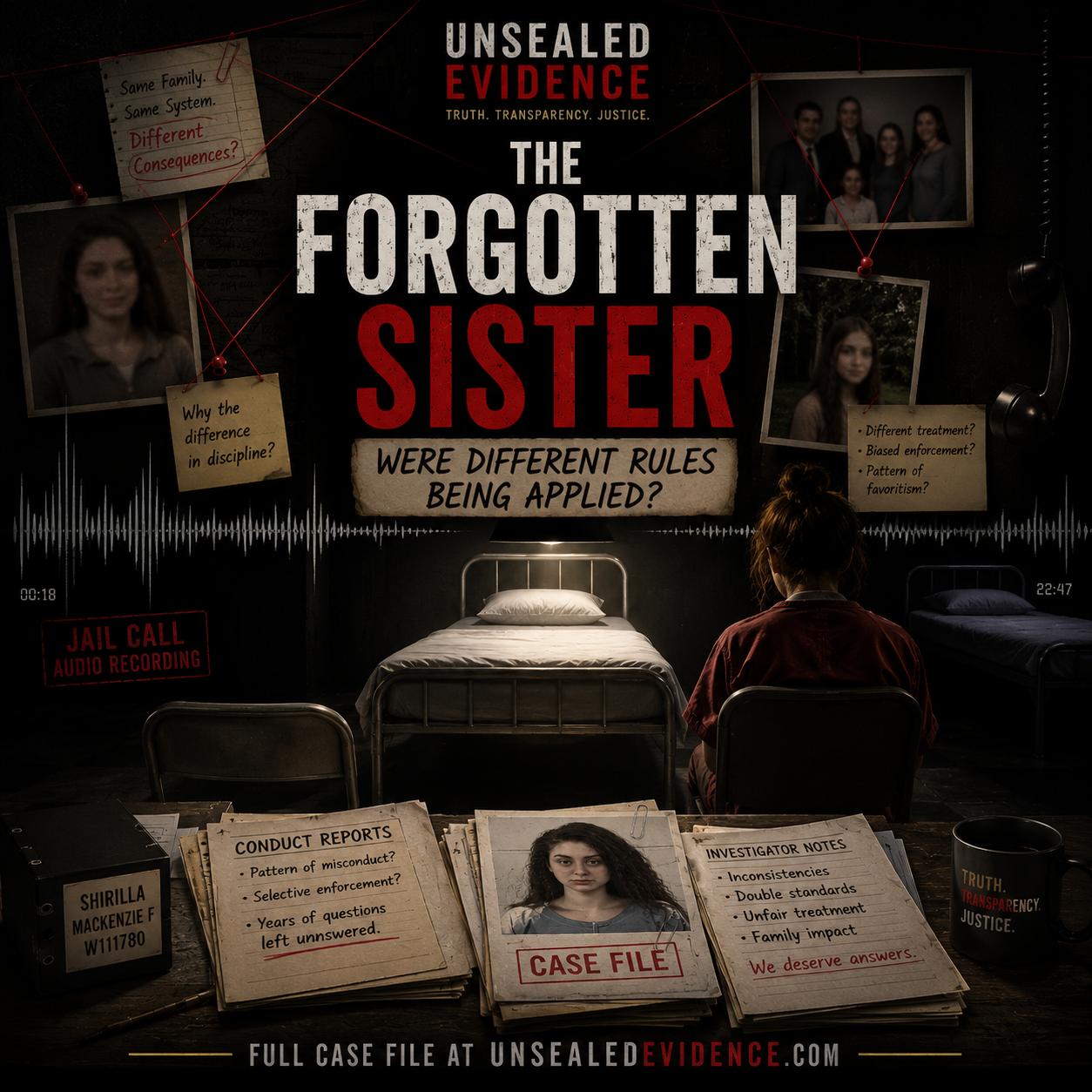
The Forgotten Sister: Was Danielle Shirilla Held To Different Standards Than Mackenzie?
One comment buried inside a recorded jail call has people asking a question few seem interested in discussing: what was life like for Danielle Shirilla? While Mackenzie Shirilla became the focus of documentaries, headlines, and public attention, her older sister remains almost entirely absent from the story. A remark about Danielle losing her bed frame has reignited conversations about whether both daughters were held to the same standards.
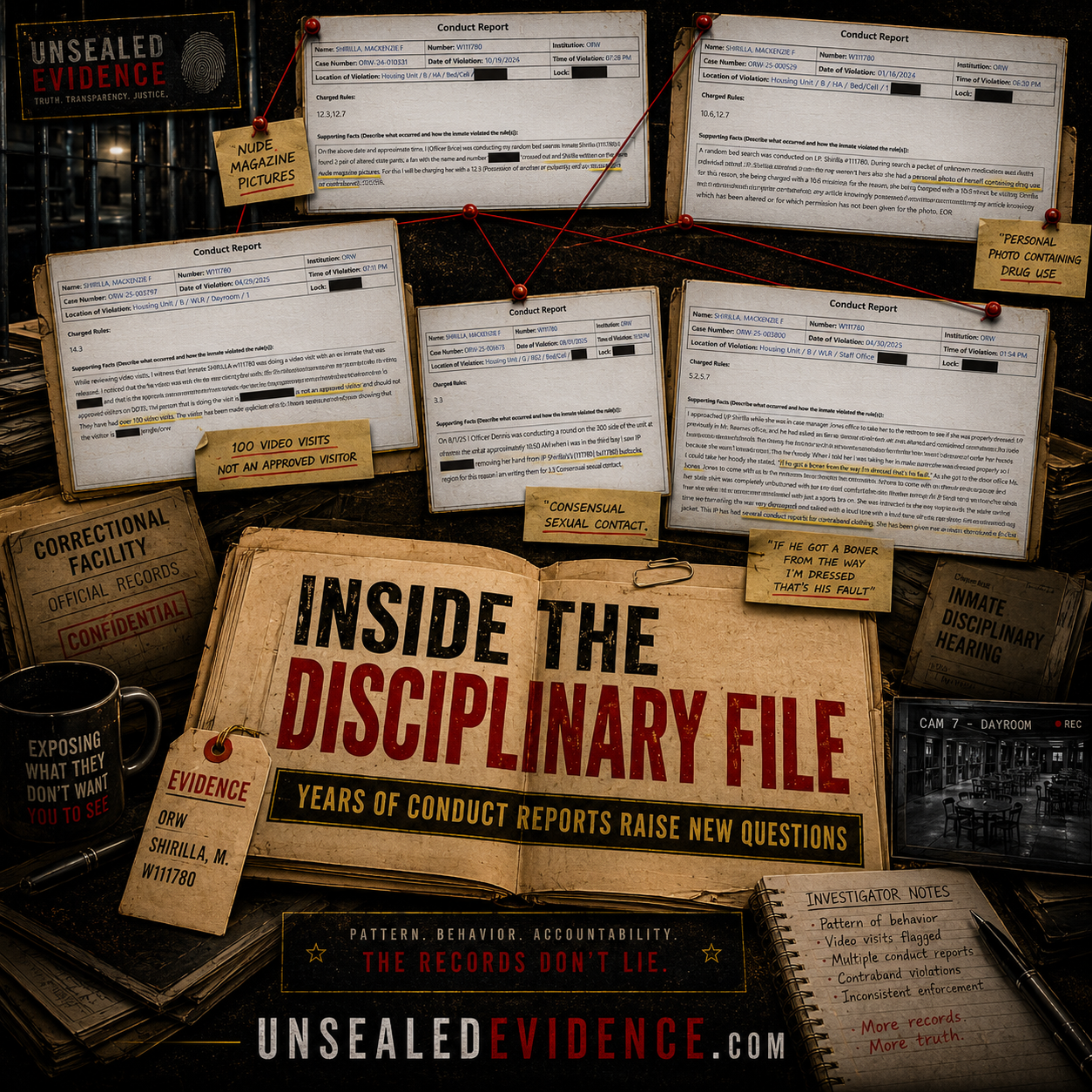
Nude Photos, Explicit Video Calls, Unauthorized Medication and More: Inside Mackenzie Shirilla's Prison Disciplinary File
What exactly has Mackenzie Shirilla been getting written up for while behind bars? Newly obtained disciplinary records reveal allegations involving nude magazine photos, unauthorized medication, explicit video calls, stolen property, contraband, and more.
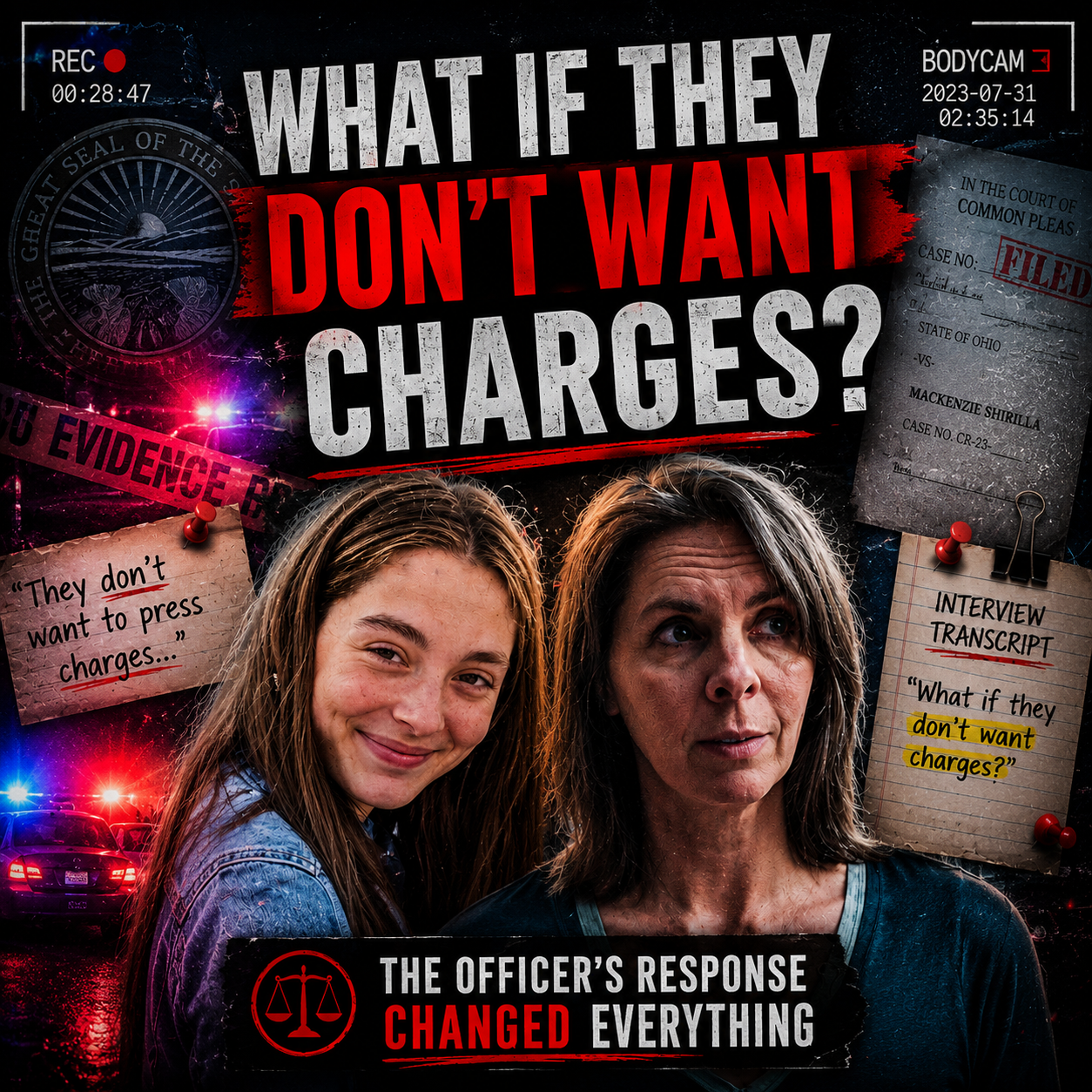
"What If The Families Don't Want Charges?" The Bodycam Exchange People Can't Stop Talking About
One of the most revealing moments in the newly released Mackenzie Shirilla bodycam footage has nothing to do with the crash itself. Instead, it centers on a conversation about whether Dominic Russo's and Davion Flanagan's families wanted criminal charges filed—and the officer's explanation of why that decision was no longer up to them.
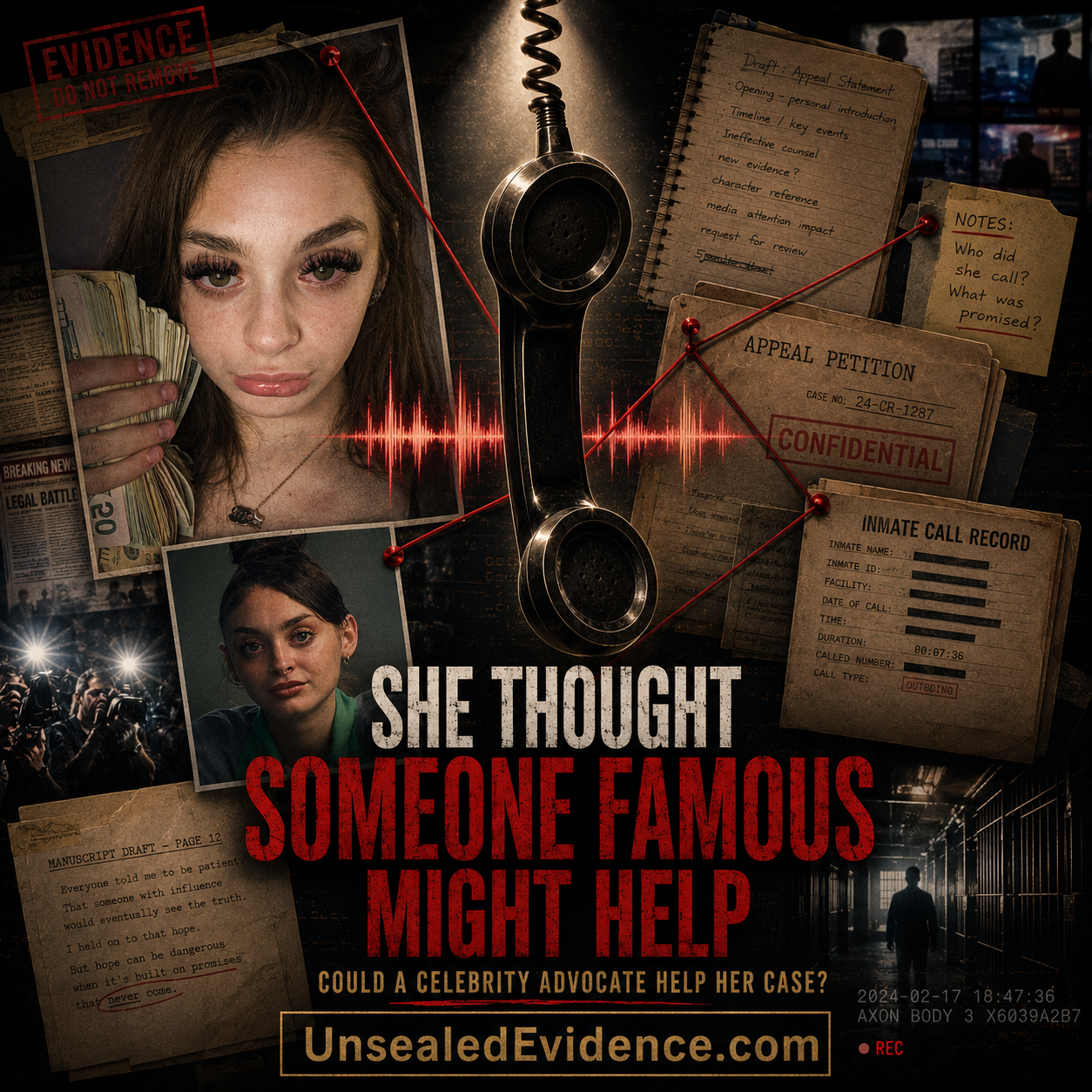
Kim Kardashian Reportedly Has No Interest In Mackenzie Shirilla's Case
Recorded jail calls revealed Mackenzie Shirilla discussing the possibility that Kim Kardashian might take an interest in her case. Days later, multiple media outlets reported that sources close to Kardashian indicated she has no plans to become involved, raising new questions about how Mackenzie and her family view public attention surrounding the case.
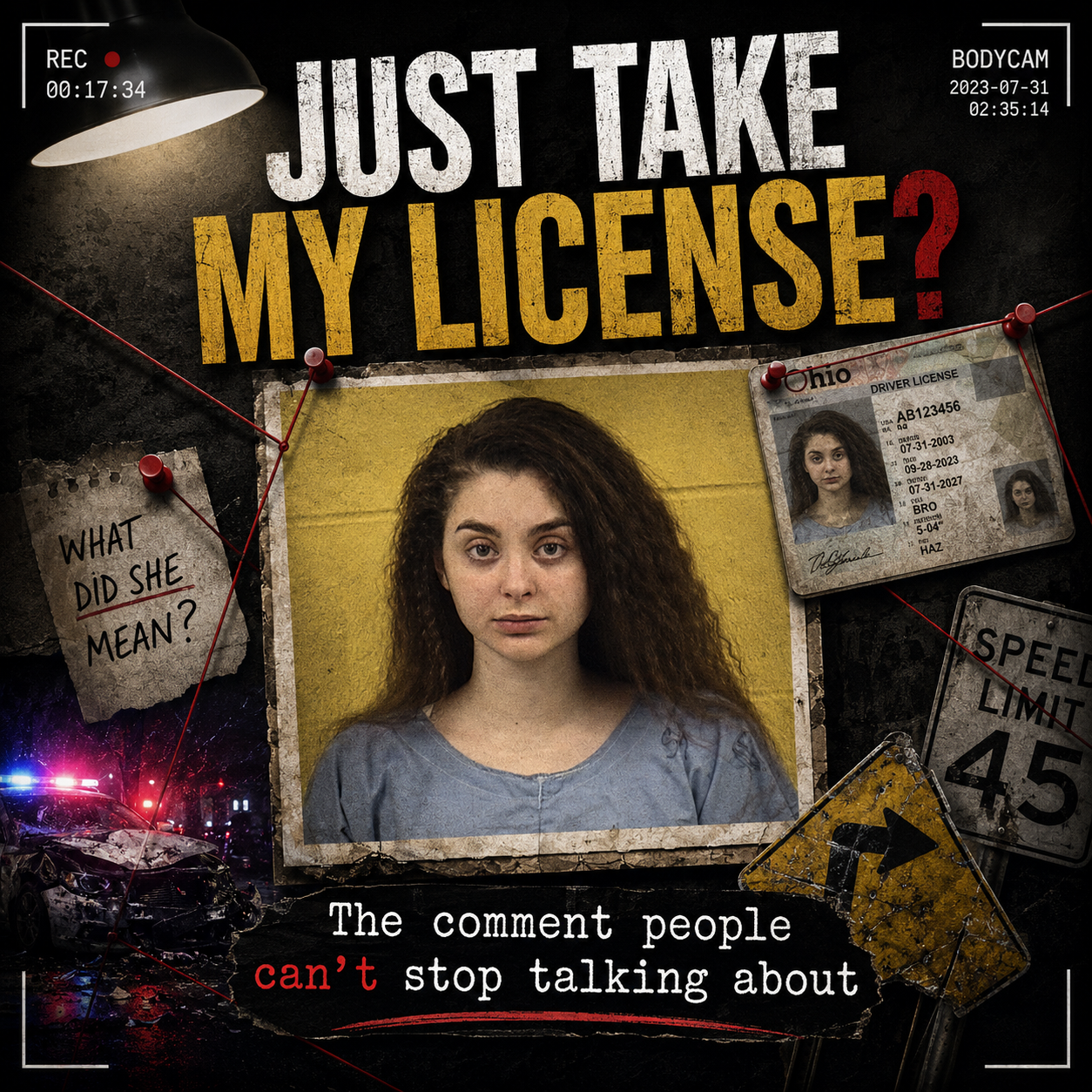
Did Mackenzie Shirilla Think Losing Her License Was the Worst Possible Outcome?
Among the newly released bodycam footage in the Mackenzie Shirilla case, one comment continues generating strong reactions. During a conversation with police, Mackenzie reportedly asked whether her driver's license could simply be taken away for ten years. Years later, critics still point to that exchange as a revealing glimpse into how she may have viewed the situation in the immediate aftermath of the crash.
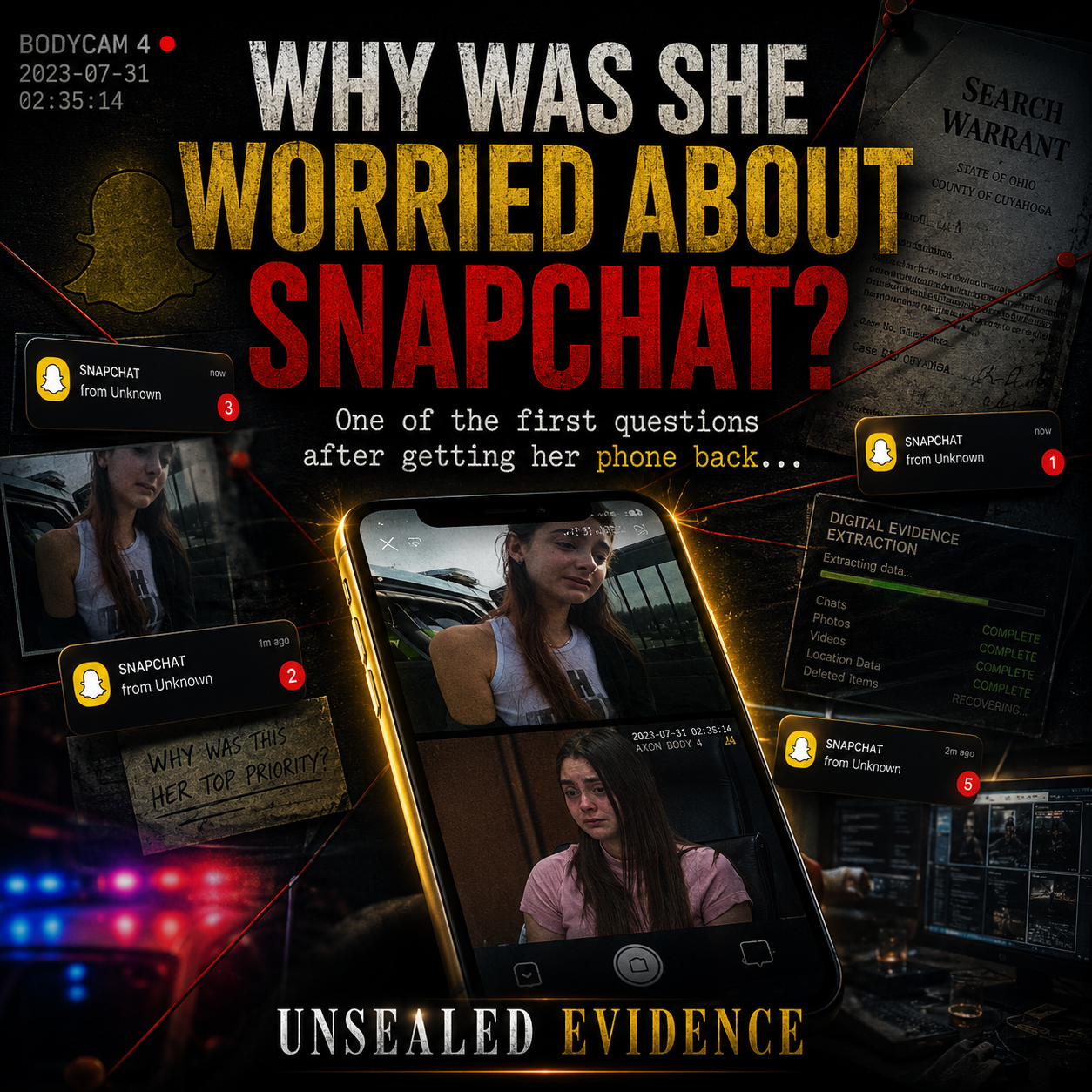
Why Were Snapchat Messages One of Mackenzie Shirilla's First Concerns After the Crash?
Newly released bodycam footage from the Mackenzie Shirilla case is sparking debate online after a conversation about Snapchat messages took center stage shortly after investigators returned her phone. For critics of Mackenzie Shirilla, the exchange raises uncomfortable questions about priorities, mindset, and what seemed most important in the aftermath of a crash that killed Dominic Russo and Davion Flanagan.
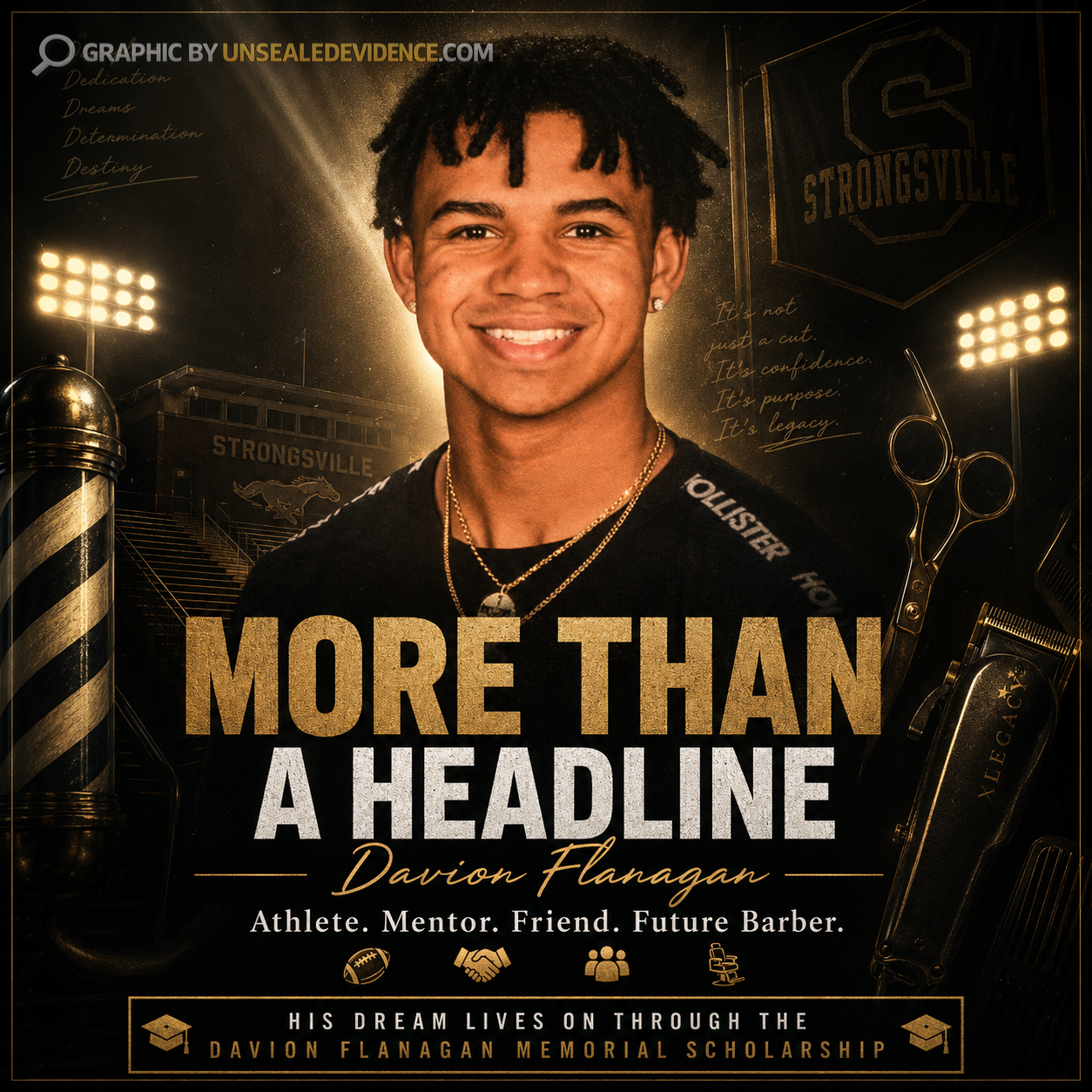
More Than The Friend In The Backseat: Remembering Davion Flanagan
In many true crime stories, victims slowly become overshadowed by the person responsible. But Davion Flanagan was more than a victim. He was an athlete, a mentor, a son, a friend, and a young man with dreams of becoming a barber. This is the story of who Davion was before the headlines.
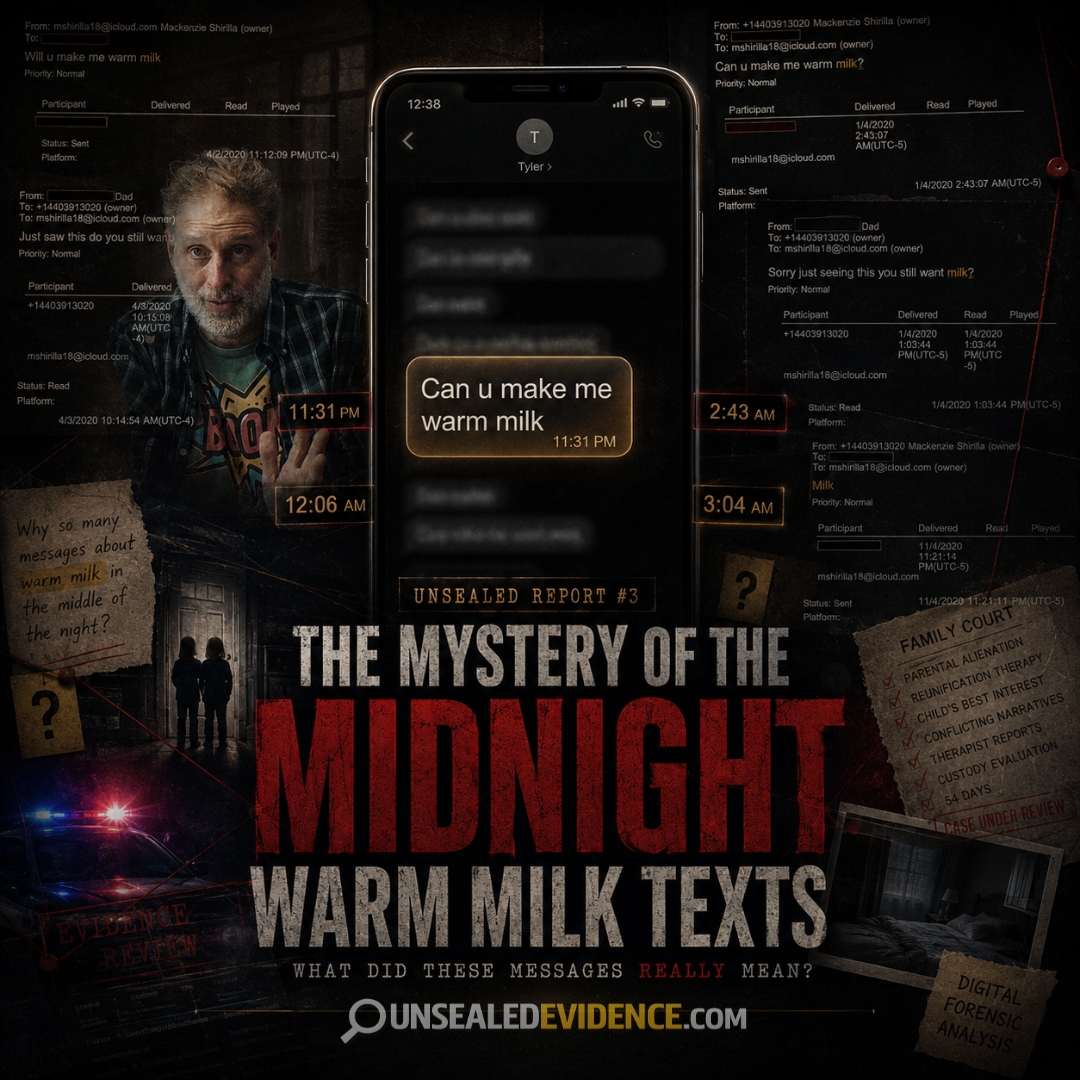
The Midnight Warm Milk Mystery: The Text Messages Raising New Questions About Mackenzie Shirilla's Home Life
Among the thousands of text messages extracted from Mackenzie Shirilla's phone, one recurring theme stands out. Over and over again, often after midnight and sometimes as late as 3 AM, Mackenzie repeatedly asked her father to make her warm milk. The requests appear frequently enough to draw attention, but it is the surrounding circumstances that have left many people asking whether these messages were really about milk at all.