The Seatbelt Detail: Why Many Believe Mackenzie Shirilla Planned the Crash
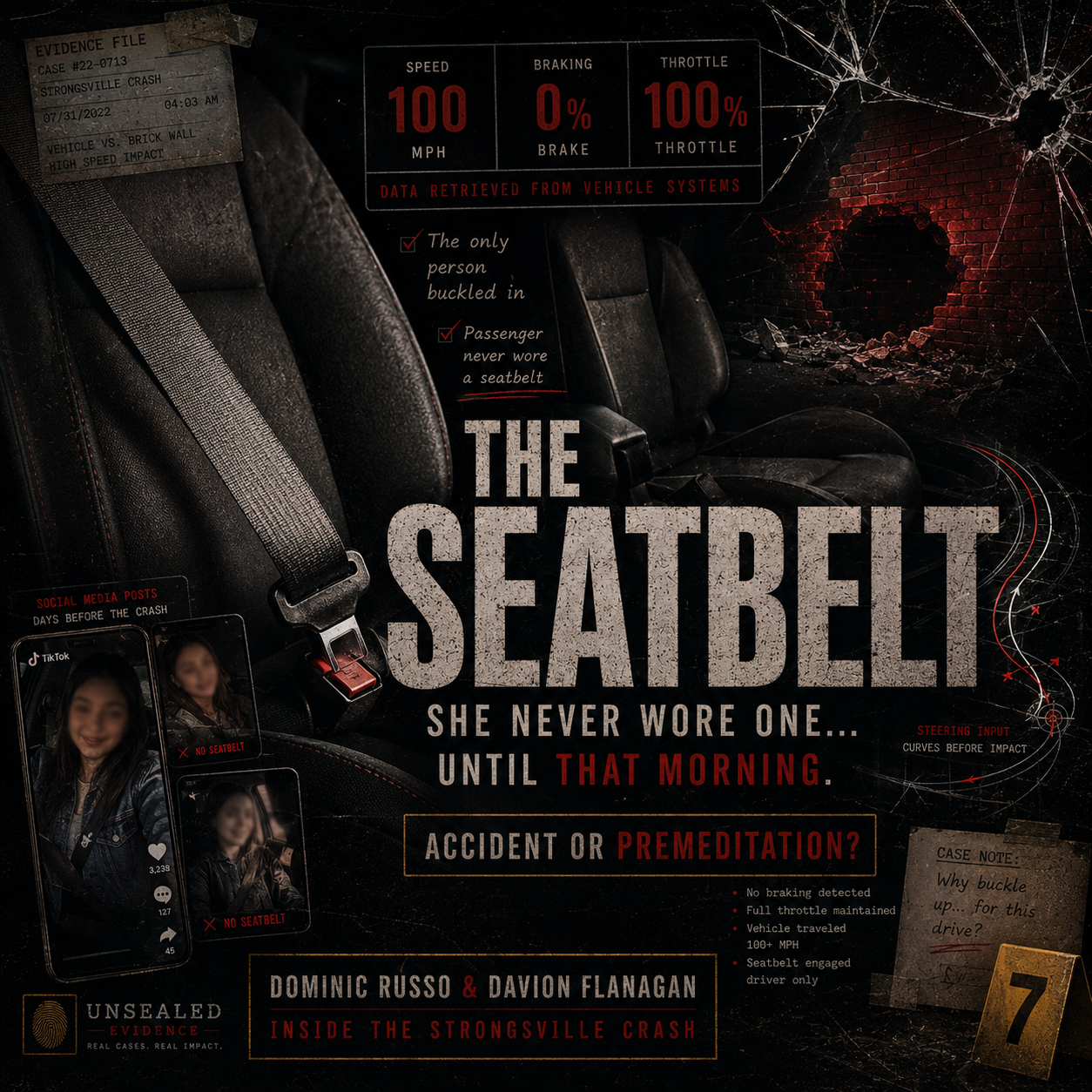
One of the most chilling details in the Mackenzie Shirilla case is not the speed, the lack of braking, or even the crash itself. It is the seatbelt. According to reports surrounding the investigation, Mackenzie Shirilla was allegedly the only person in the vehicle wearing a seatbelt when the Toyota Camry slammed into a brick building at nearly 100 mph — a detail many believe destroys the idea of a sudden blackout or accidental crash.
The Seatbelt Detail That Continues Haunting This Case
If there is one detail in the Mackenzie Shirilla case that continues deeply unsettling people years later, it is the seatbelt.
Not the speed.
Not the impact.
Not even the horrifying crash itself.
The seatbelt.
Because according to details repeatedly discussed throughout the case, Mackenzie Shirilla was reportedly the only person inside the vehicle wearing a seatbelt when the Toyota Camry accelerated down Progress Drive and slammed head-on into a brick building at nearly 100 mph, killing Dominic Russo and Davion Flanagan.
And for many people following this case closely, that single detail changes everything.
The Social Media Pattern People Keep Pointing To
One reason the seatbelt detail continues generating so much discussion online is because of Mackenzie Shirilla’s own social media history.
If you go back through many of the driving videos and photos allegedly connected to her old accounts, a pattern becomes difficult to ignore: she frequently appeared unbuckled while driving or filming inside vehicles.
Videos allegedly showed her behind the wheel without a seatbelt, casually posting content while appearing unconcerned about basic safety precautions.
To many observers, the image presented online was someone who viewed seatbelts as uncool, unnecessary, or simply unimportant.
Which is exactly why people continue asking the same uncomfortable question:
Why did she suddenly decide to buckle up on the exact morning of the fatal crash?
The Timing Is What Disturbs People
For many people, it is not just the fact that she wore a seatbelt.
It is the timing.
According to the prosecution’s theory, Mackenzie Shirilla intentionally accelerated into the building.
And if that theory is correct, the seatbelt becomes incredibly significant.
Because the same person who allegedly spent years casually driving around unbuckled suddenly secured herself moments before a catastrophic impact — while Dominic Russo and Davion Flanagan reportedly were not restrained.
That contrast is exactly why so many people interpret the seatbelt as evidence of planning rather than coincidence.
The “Medical Emergency” Problem
The seatbelt detail also creates major problems for the “medical emergency” or sudden blackout explanation that has surrounded the case.
Because people naturally ask:
If this was truly an unpredictable medical episode, why was this the moment she decided to wear a seatbelt?
You do not typically anticipate fainting episodes by suddenly changing long-standing safety habits moments before a fatal collision.
And that is one reason the seatbelt detail continues carrying so much emotional weight for people who believe the crash was intentional.
To them, it does not feel random.
It feels calculated.
The Psychology Behind Why This Detail Hits So Hard
There is something psychologically disturbing about the idea that one person inside a vehicle may have taken steps to protect themselves while the other occupants remained vulnerable.
Especially in a crash this violent.
Especially when prosecutors argued the collision was intentional.
Because if the prosecution’s theory is accurate, the seatbelt no longer looks like a routine safety decision.
It starts looking like preparation.
Preparation for impact.
Preparation for survival.
Preparation for something the driver allegedly knew was about to happen.
And honestly, I think that is why this detail continues haunting people more than almost anything else in the case.
The Netflix Effect
After Netflix released The Crash, public debate surrounding Mackenzie Shirilla exploded all over again.
Many viewers walked away feeling sympathy for her.
Others believed the documentary softened or minimized some of the prosecution’s strongest arguments.
And among critics of the documentary, the seatbelt detail is constantly brought up as one of the clearest examples of why they believe this was never simply a tragic accident.
Because unlike emotional arguments or personality debates, the seatbelt issue feels concrete to many people.
It feels physical.
Intentional.
Deliberate.
My Opinion
Personally, I think the seatbelt detail is one of the most difficult aspects of this case to explain away.
Not because wearing a seatbelt itself is suspicious.
But because of the larger context surrounding it.
When you combine:
- the alleged social media history of driving unbuckled
- the reported lack of braking
- the 100 mph acceleration
- the steering through roadway curves
- the “medical emergency” defense
- the prosecution’s theory of intent
- the fact that she reportedly survived while Dominic and Davion did not
…the seatbelt starts feeling far less random.
At least to me.
It feels like someone preparing themselves for impact.
Final Thoughts
The Mackenzie Shirilla case continues dividing people years after the fatal Strongsville crash.
But among those who believe the collision was intentional, the seatbelt detail remains one of the strongest arguments for premeditation.
Because the same person who allegedly spent years appearing unconcerned with seatbelt safety suddenly made sure she was buckled in moments before driving into a building at nearly 100 mph.
And for many people, that detail is impossible to ignore.
Whether someone believes the seatbelt proves intent or not, it undeniably remains one of the most chilling and heavily debated pieces of the entire case.
Continue Investigating
The Forgotten Sister: Was Danielle Shirilla Held To Different Standards Than Mackenzie?
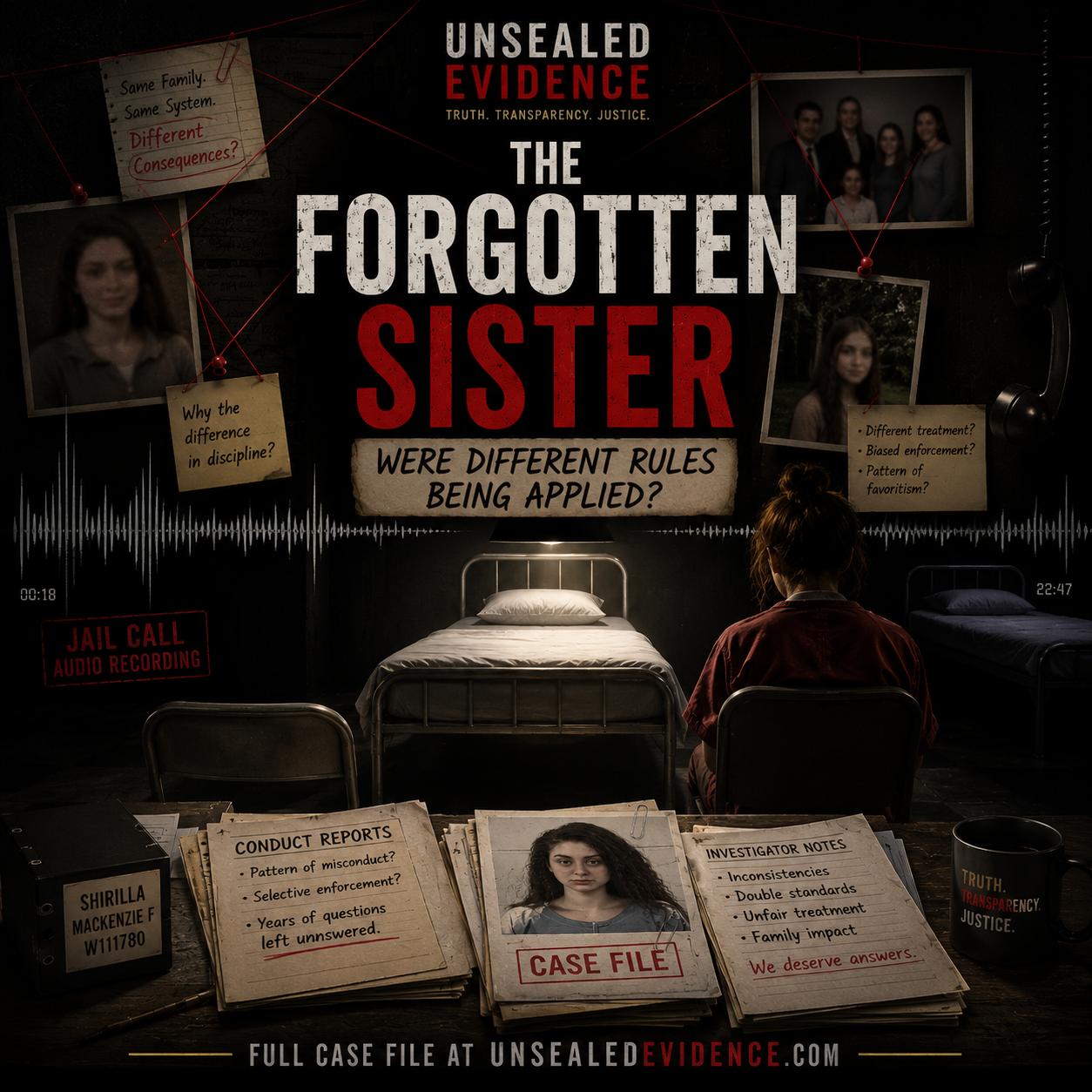
One comment buried inside a recorded jail call has people asking a question few seem interested in discussing: what was life like for Danielle Shirilla? While Mackenzie Shirilla became the focus of documentaries, headlines, and public attention, her older sister remains almost entirely absent from the story. A remark about Danielle losing her bed frame has reignited conversations about whether both daughters were held to the same standards.
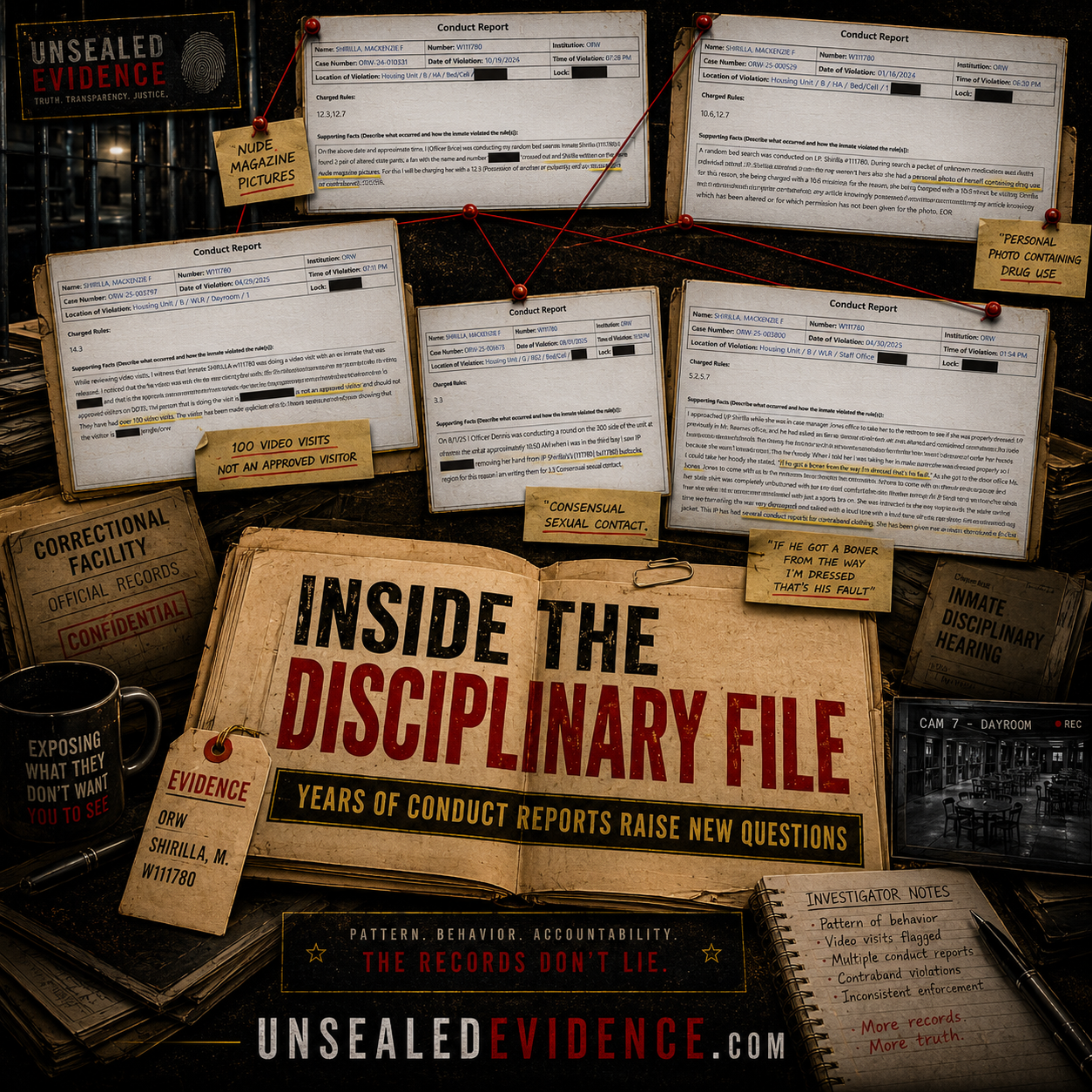
Nude Photos, Explicit Video Calls, Unauthorized Medication and More: Inside Mackenzie Shirilla's Prison Disciplinary File
What exactly has Mackenzie Shirilla been getting written up for while behind bars? Newly obtained disciplinary records reveal allegations involving nude magazine photos, unauthorized medication, explicit video calls, stolen property, contraband, and more.
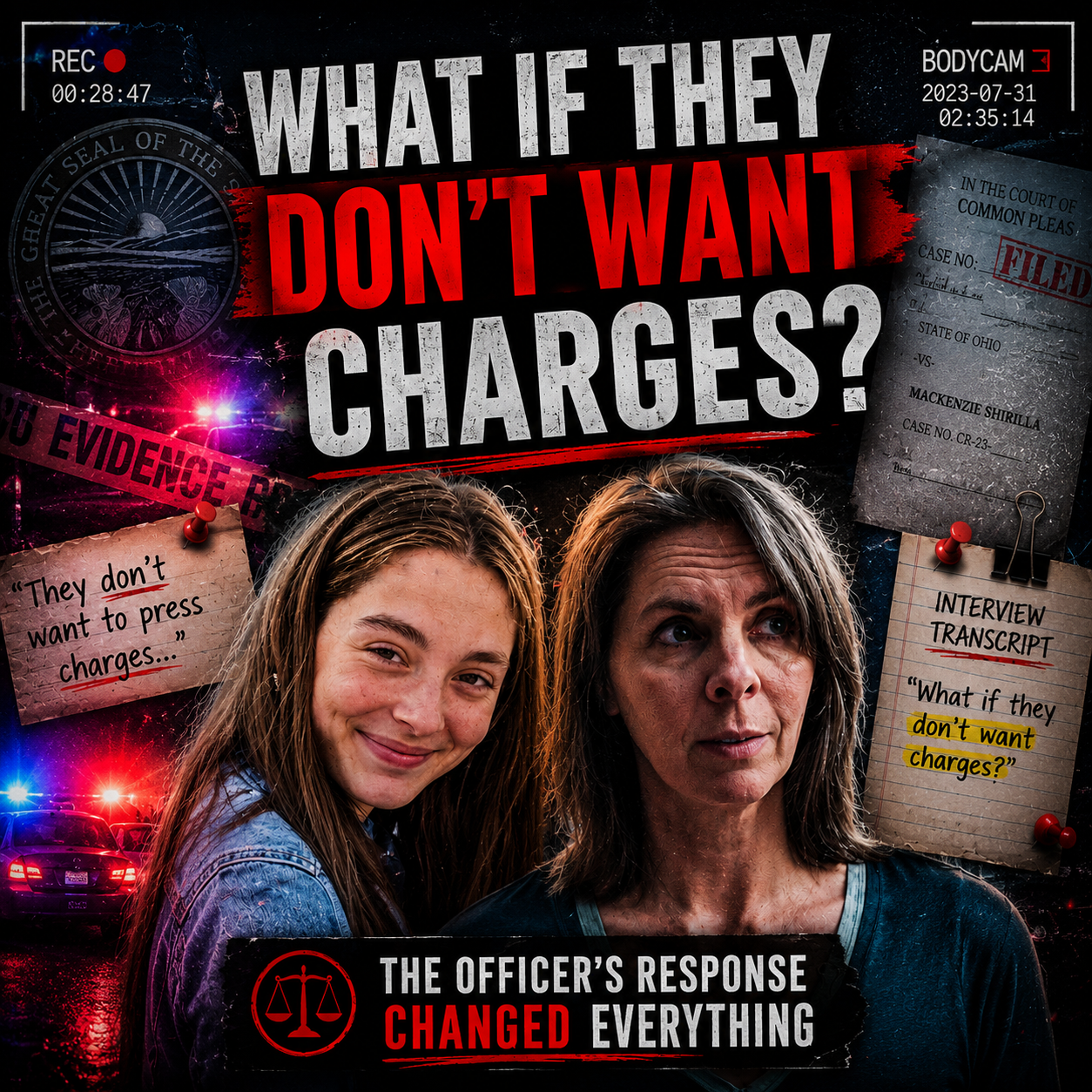
"What If The Families Don't Want Charges?" The Bodycam Exchange People Can't Stop Talking About
One of the most revealing moments in the newly released Mackenzie Shirilla bodycam footage has nothing to do with the crash itself. Instead, it centers on a conversation about whether Dominic Russo's and Davion Flanagan's families wanted criminal charges filed—and the officer's explanation of why that decision was no longer up to them.

Kim Kardashian Reportedly Has No Interest In Mackenzie Shirilla's Case
Recorded jail calls revealed Mackenzie Shirilla discussing the possibility that Kim Kardashian might take an interest in her case. Days later, multiple media outlets reported that sources close to Kardashian indicated she has no plans to become involved, raising new questions about how Mackenzie and her family view public attention surrounding the case.
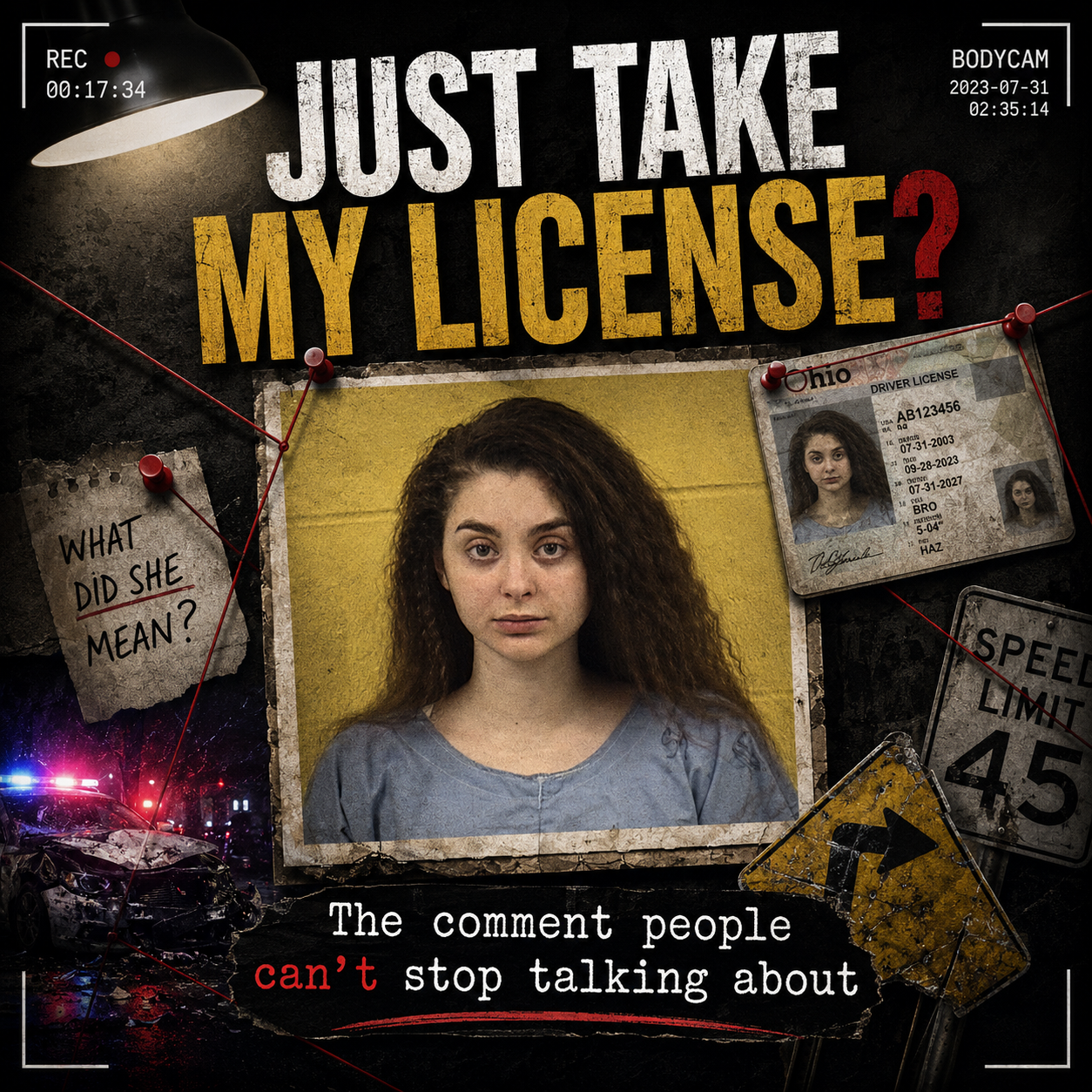
Did Mackenzie Shirilla Think Losing Her License Was the Worst Possible Outcome?
Among the newly released bodycam footage in the Mackenzie Shirilla case, one comment continues generating strong reactions. During a conversation with police, Mackenzie reportedly asked whether her driver's license could simply be taken away for ten years. Years later, critics still point to that exchange as a revealing glimpse into how she may have viewed the situation in the immediate aftermath of the crash.
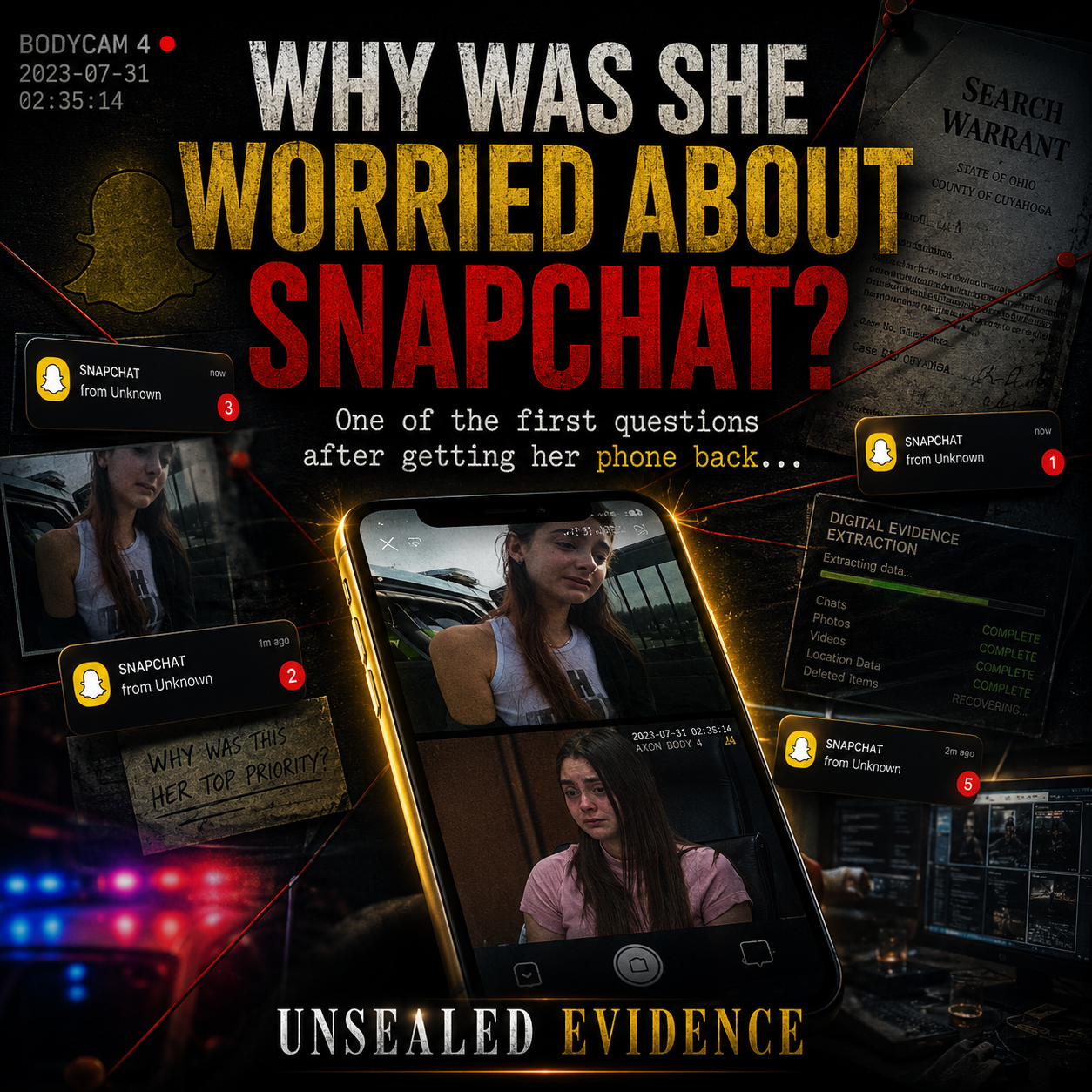
Why Were Snapchat Messages One of Mackenzie Shirilla's First Concerns After the Crash?
Newly released bodycam footage from the Mackenzie Shirilla case is sparking debate online after a conversation about Snapchat messages took center stage shortly after investigators returned her phone. For critics of Mackenzie Shirilla, the exchange raises uncomfortable questions about priorities, mindset, and what seemed most important in the aftermath of a crash that killed Dominic Russo and Davion Flanagan.
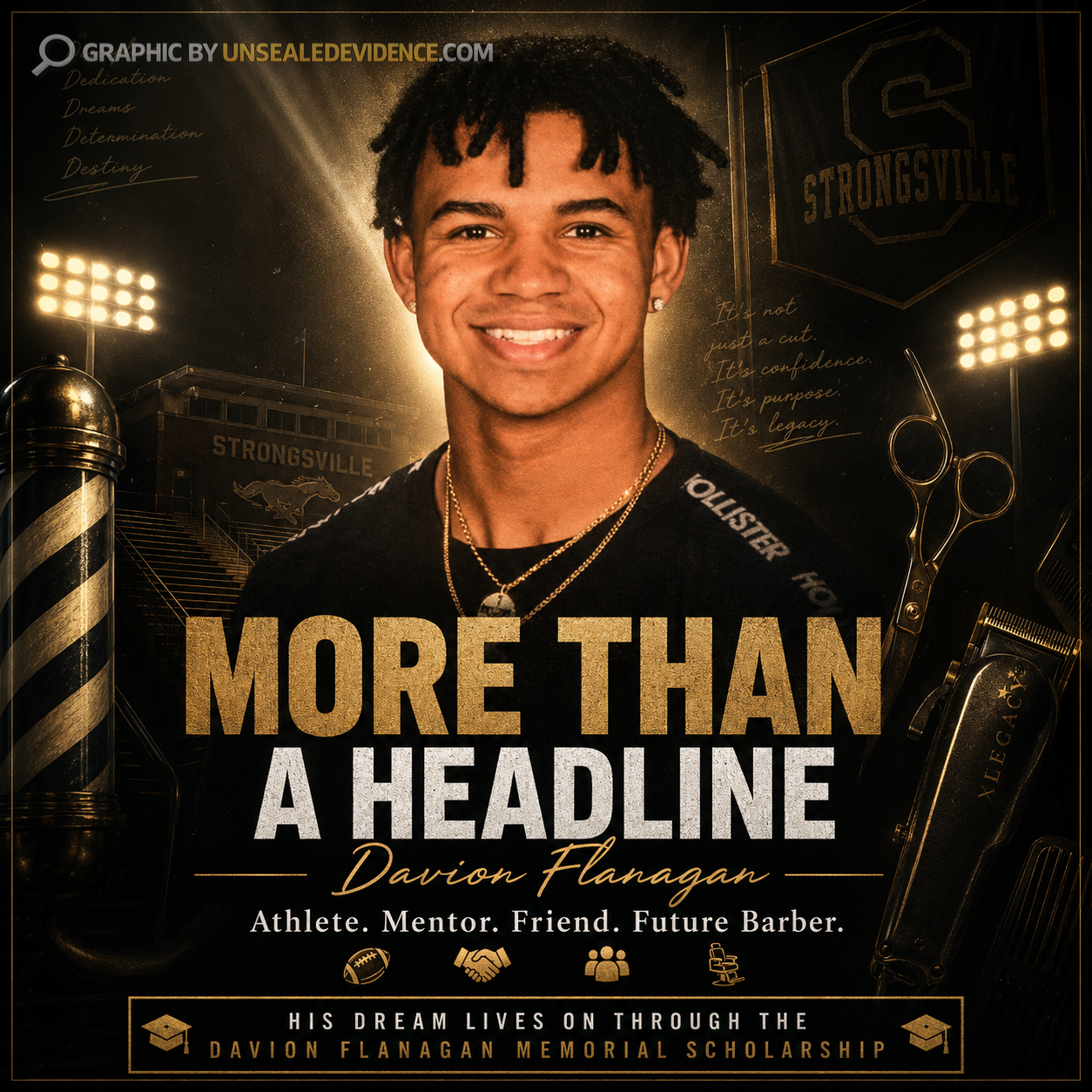
More Than The Friend In The Backseat: Remembering Davion Flanagan
In many true crime stories, victims slowly become overshadowed by the person responsible. But Davion Flanagan was more than a victim. He was an athlete, a mentor, a son, a friend, and a young man with dreams of becoming a barber. This is the story of who Davion was before the headlines.
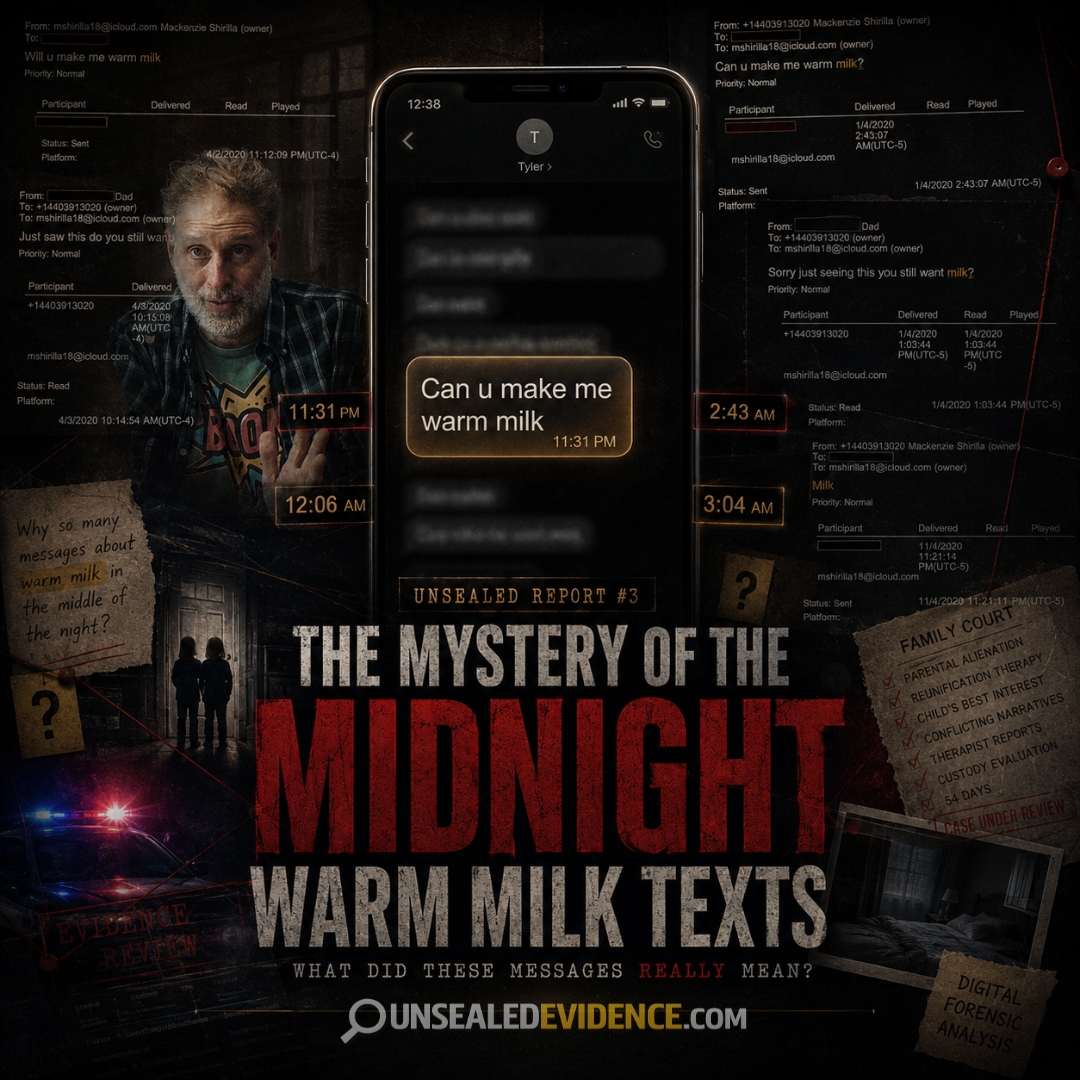
The Midnight Warm Milk Mystery: The Text Messages Raising New Questions About Mackenzie Shirilla's Home Life
Among the thousands of text messages extracted from Mackenzie Shirilla's phone, one recurring theme stands out. Over and over again, often after midnight and sometimes as late as 3 AM, Mackenzie repeatedly asked her father to make her warm milk. The requests appear frequently enough to draw attention, but it is the surrounding circumstances that have left many people asking whether these messages were really about milk at all.