
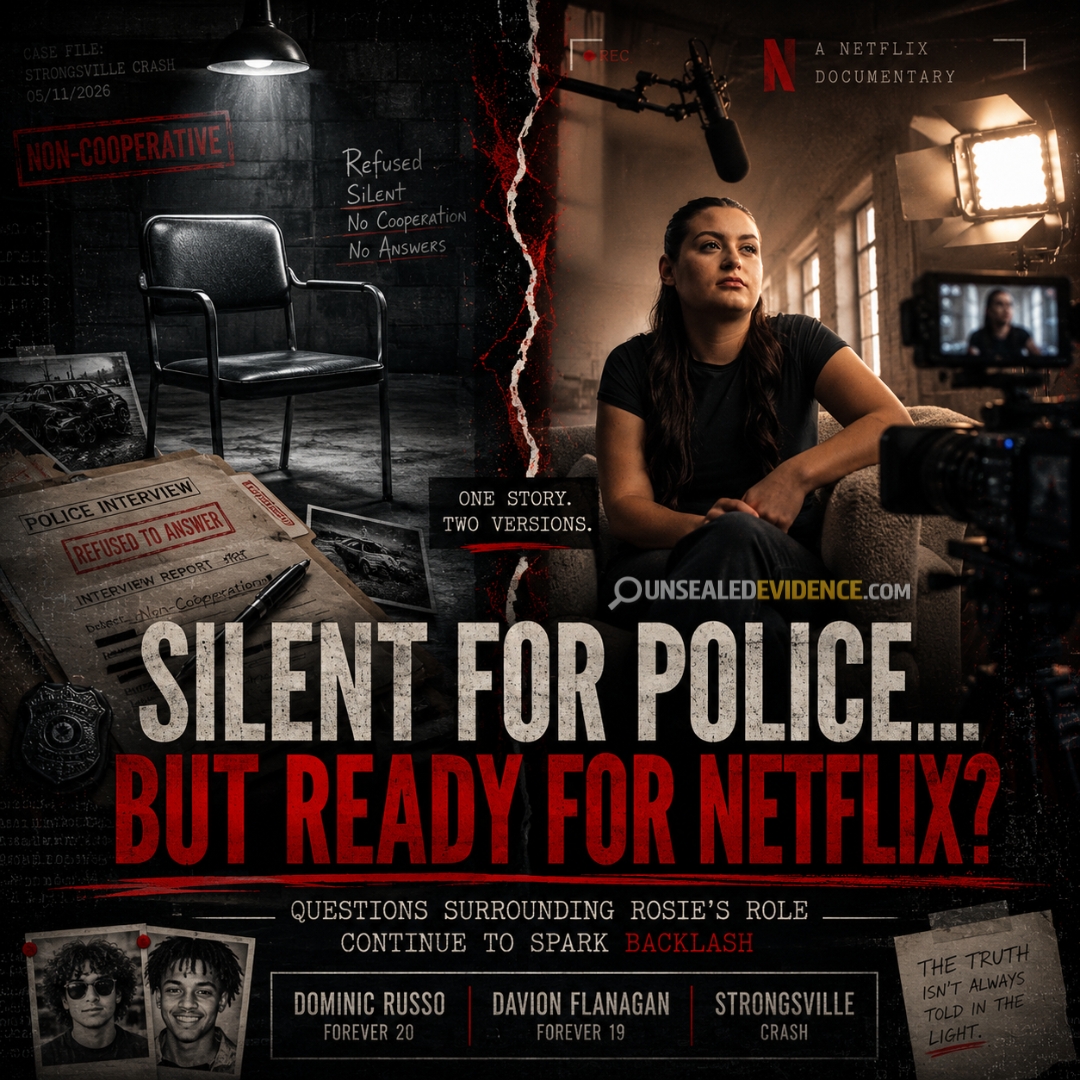
Silent for Police, Loud for Netflix: Why Rosie’s Role in The Crash Is Raising Questions
One of the most controversial parts of Netflix’s The Crash is not just the documentary itself, but who chose to speak publicly after years of silence. Critics are now questioning why Mackenzie Shirilla’s best friend Rosie allegedly refused to cooperate during the original police investigation, only to later appear on camera defending Mackenzie and describing her relationship with Dominic Russo in ways many believe directly contradict documented evidence from the case.
The Rosie Controversy Is Becoming Harder To Ignore
One of the biggest frustrations many people continue expressing about the Mackenzie Shirilla case involves the role of Mackenzie’s best friend, Rosie.
Not simply because she appeared in Netflix’s The Crash, but because of the timing and circumstances surrounding when she allegedly chose to speak publicly.
According to ongoing public discussions surrounding the case, Rosie reportedly refused to cooperate during the original police investigation — a time when many believe information from close friends could have potentially helped investigators better understand the dynamics surrounding Mackenzie Shirilla, Dominic Russo, and the events leading up to the fatal Strongsville crash.
But years later, when Netflix cameras arrived, Rosie suddenly appeared publicly in the documentary.
And for many people following this case closely, that contrast has raised serious questions.
Critics Believe The Priorities Were Completely Backwards
This is where a lot of public anger toward Rosie seems to come from.
Many people feel that if someone truly cared about Dominic Russo and Davion Flanagan, the time to speak openly would have been during the actual investigation — not years later in front of a global streaming audience.
Critics argue that cooperating with investigators could have potentially helped establish clearer timelines, relationship dynamics, emotional context, warning signs, or behavioral patterns before the crash ever became the subject of a Netflix documentary.
Instead, many people feel Rosie stayed silent when accountability and truth mattered most, but became willing to speak once there was public attention attached to the case.
Whether that criticism is fair or not, it has become a major point of discussion online.
The Relationship Claims Sparked Even More Backlash
The controversy intensified even further because of comments Rosie reportedly made during The Crash regarding Mackenzie Shirilla and Dominic Russo’s relationship.
According to viewers, Rosie described their relationship as “great” and suggested the couple “rarely ever fought.”
But critics immediately pushed back against those claims, arguing they directly contradict evidence and allegations discussed throughout the investigation and trial.
Because according to publicly discussed case evidence:
- the relationship reportedly involved repeated conflict
- Mackenzie allegedly physically assaulted Dominic at times
- there were allegations involving controlling behavior
- there were emotional volatility concerns
- and prosecutors referenced prior threats involving crashing the car with Dominic inside
One of the most disturbing allegations discussed publicly in relation to the case is that Mackenzie Shirilla allegedly threatened to crash her vehicle with Dominic Russo inside only weeks before the fatal collision actually occurred.
That is exactly why so many viewers felt Rosie’s portrayal of the relationship seemed disconnected from the broader evidence presented elsewhere.
The Netflix Effect Changed Public Perception
Netflix’s The Crash dramatically reshaped how many people viewed the case.
Some viewers walked away believing Mackenzie Shirilla was a deeply misunderstood teenager involved in a tragic accident.
Others believed the documentary minimized key evidence, softened disturbing allegations, and leaned heavily into emotional sympathy rather than accountability.
Rosie’s appearance became part of that larger debate.
Because for critics of the documentary, her interviews felt less like objective truth and more like image rehabilitation.
Especially given the allegations that she reportedly avoided involvement when investigators were actively trying to piece together what happened.
The Bigger Question About Loyalty
I think one reason this situation triggers such strong reactions emotionally is because people naturally ask themselves:
Who was being protected here?
Dominic and Davion?
Or Mackenzie?
Because from the perspective of many critics, Rosie’s public statements appeared heavily focused on defending Mackenzie’s image while downplaying the darker relationship dynamics prosecutors and investigators appeared to be examining.
And when two young men are dead, people tend to look very critically at anyone they believe may have helped shape a misleading public narrative afterward.
My Opinion
Personally, I think the optics surrounding this are terrible.
If someone truly possesses important insight into a fatal case involving their close friends, many people believe that information belongs with investigators first — not introduced years later through a Netflix documentary.
And honestly, I understand why so many people became frustrated hearing Rosie describe Dominic and Mackenzie’s relationship as peaceful or mostly conflict-free when so much publicly discussed evidence appears to suggest otherwise.
That disconnect is exactly why critics believe The Crash left out critical context surrounding the relationship dynamics leading up to the fatal crash.
At minimum, it created the perception that certain parts of the story were being softened for public consumption.
Final Thoughts
The backlash surrounding Rosie’s appearance in Netflix’s The Crash reflects a much larger divide surrounding the Mackenzie Shirilla case as a whole.
Some people believe the documentary gave viewers a compassionate and humanized perspective.
Others believe it ignored or minimized evidence pointing toward manipulation, abuse, threats, recklessness, and intent.
And for critics of the documentary, Rosie became symbolic of that larger problem: silence during the investigation, followed by public visibility once cameras and attention arrived.
Whether people agree with that criticism or not, one thing is undeniable — the debate surrounding this case is far from over.
And years later, Dominic Russo and Davion Flanagan remain at the center of a public conversation that continues growing more emotionally charged with every new interview, documentary, and revelation.
Continue Investigating
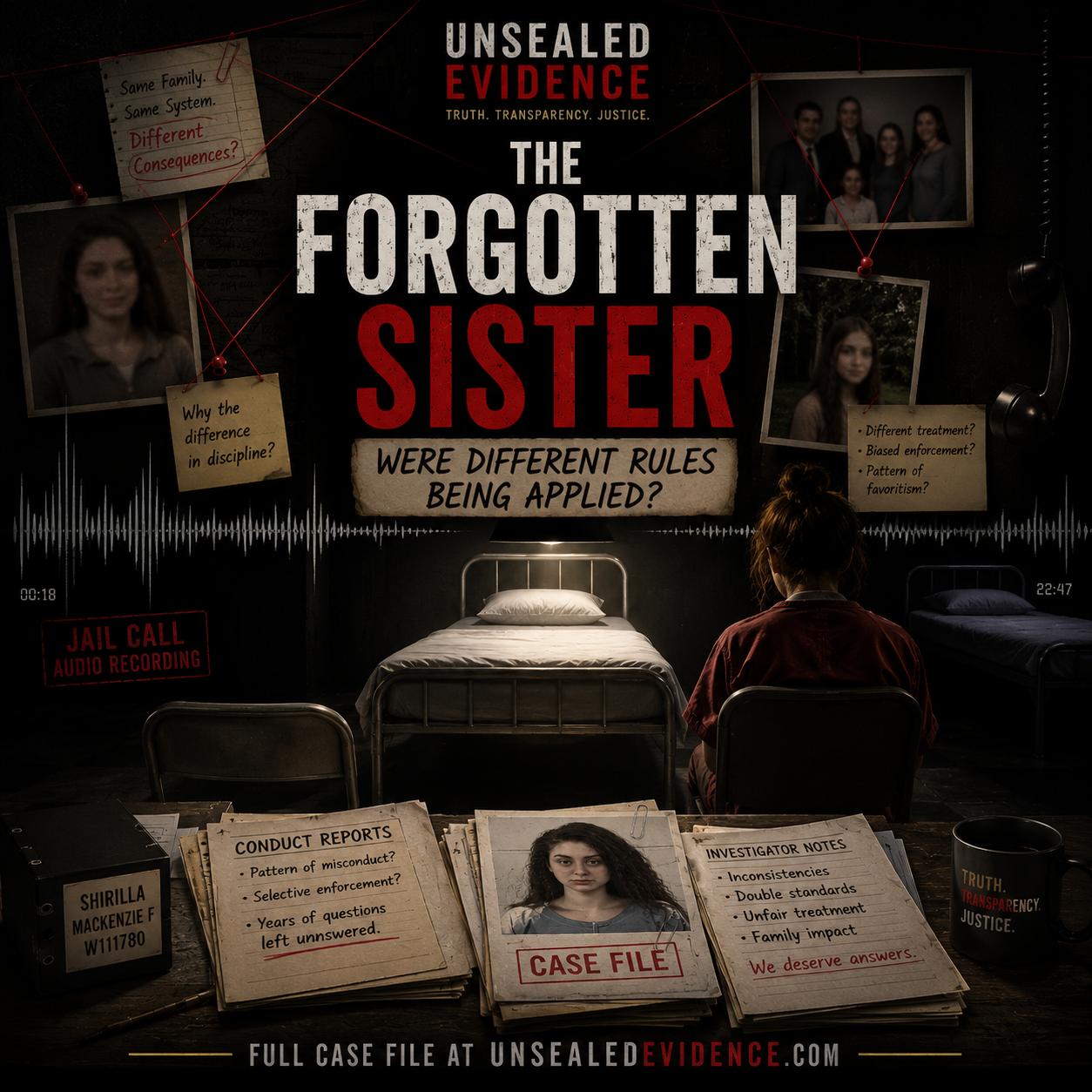
The Forgotten Sister: Was Danielle Shirilla Held To Different Standards Than Mackenzie?
One comment buried inside a recorded jail call has people asking a question few seem interested in discussing: what was life like for Danielle Shirilla? While Mackenzie Shirilla became the focus of documentaries, headlines, and public attention, her older sister remains almost entirely absent from the story. A remark about Danielle losing her bed frame has reignited conversations about whether both daughters were held to the same standards.
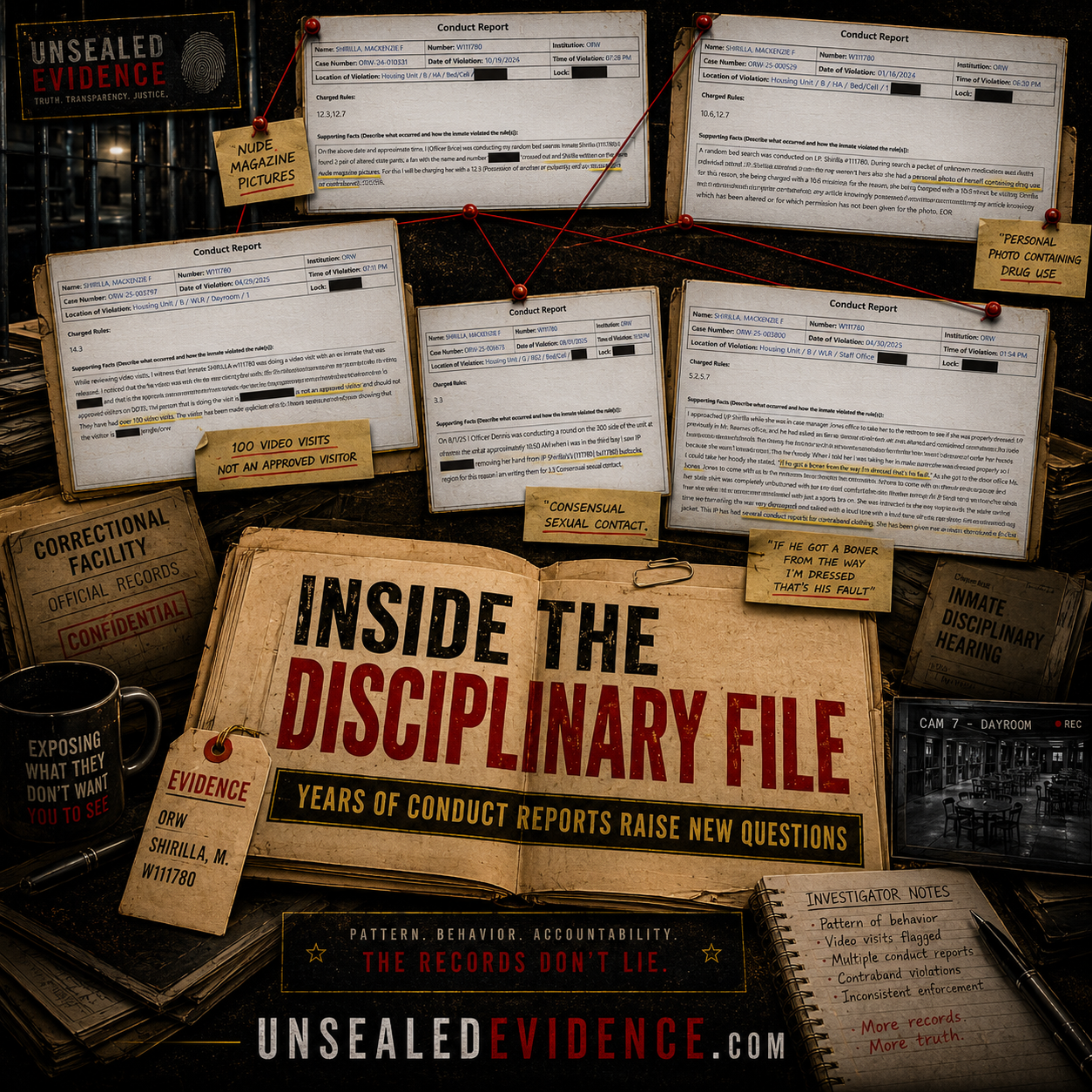
Nude Photos, Explicit Video Calls, Unauthorized Medication and More: Inside Mackenzie Shirilla's Prison Disciplinary File
What exactly has Mackenzie Shirilla been getting written up for while behind bars? Newly obtained disciplinary records reveal allegations involving nude magazine photos, unauthorized medication, explicit video calls, stolen property, contraband, and more.
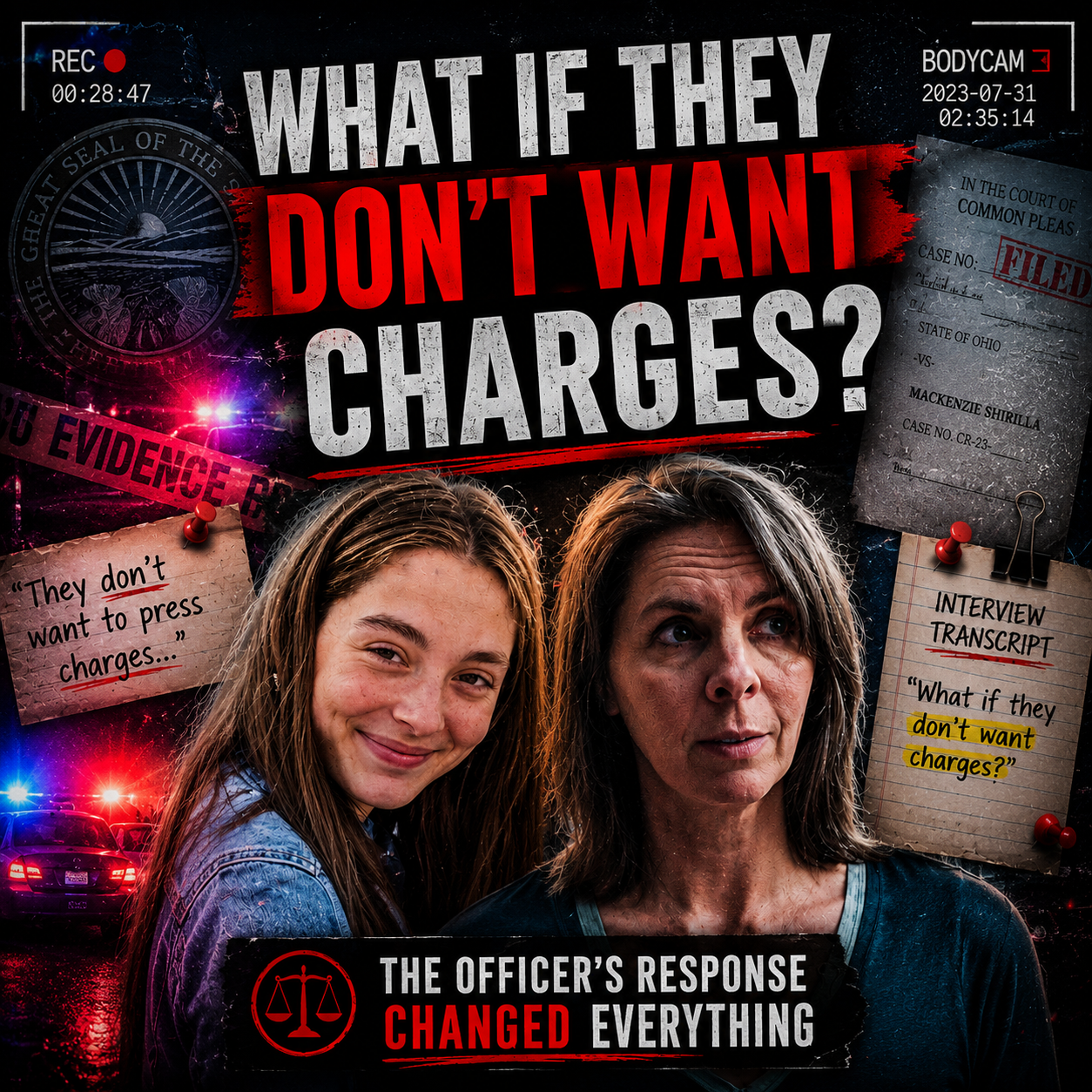
"What If The Families Don't Want Charges?" The Bodycam Exchange People Can't Stop Talking About
One of the most revealing moments in the newly released Mackenzie Shirilla bodycam footage has nothing to do with the crash itself. Instead, it centers on a conversation about whether Dominic Russo's and Davion Flanagan's families wanted criminal charges filed—and the officer's explanation of why that decision was no longer up to them.
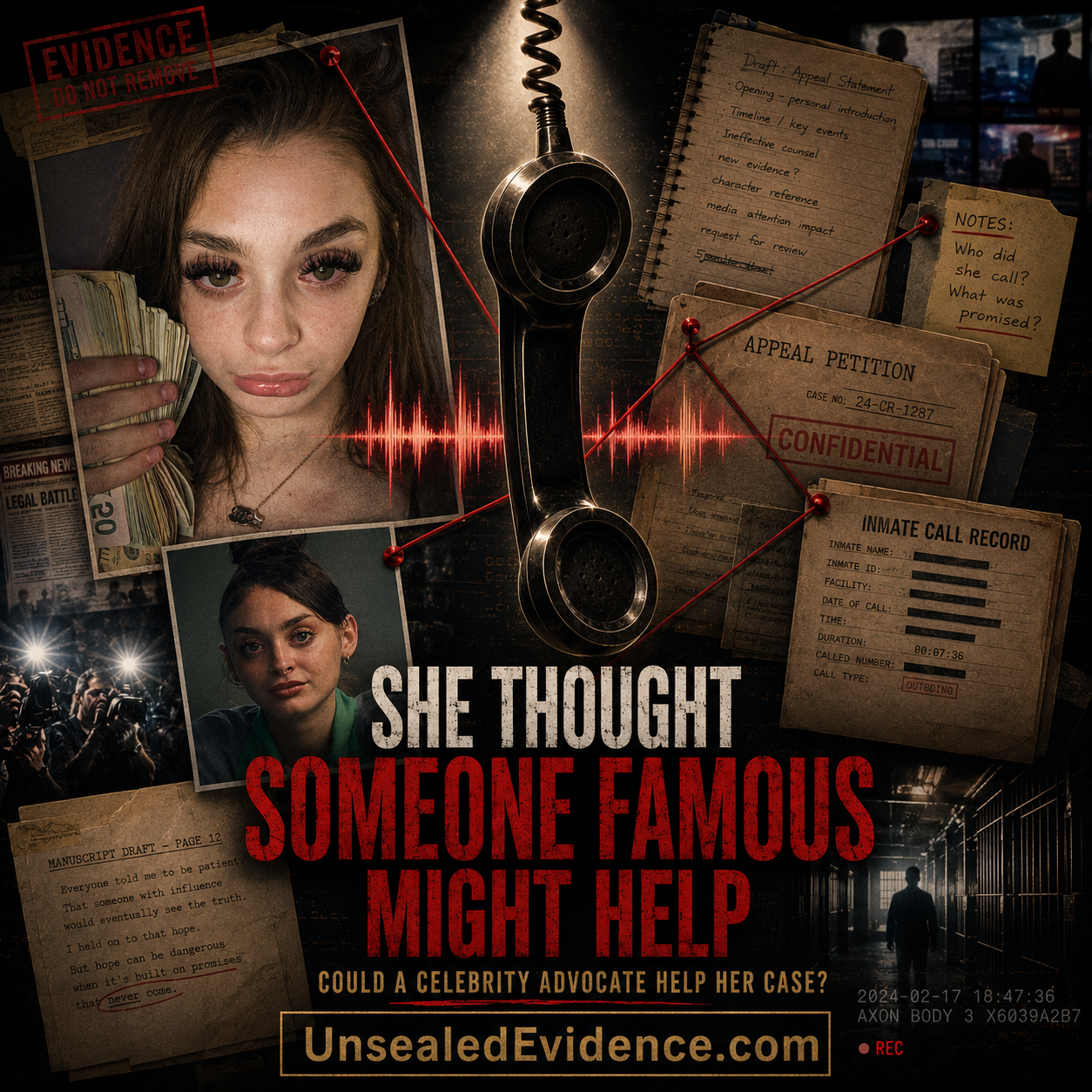
Kim Kardashian Reportedly Has No Interest In Mackenzie Shirilla's Case
Recorded jail calls revealed Mackenzie Shirilla discussing the possibility that Kim Kardashian might take an interest in her case. Days later, multiple media outlets reported that sources close to Kardashian indicated she has no plans to become involved, raising new questions about how Mackenzie and her family view public attention surrounding the case.
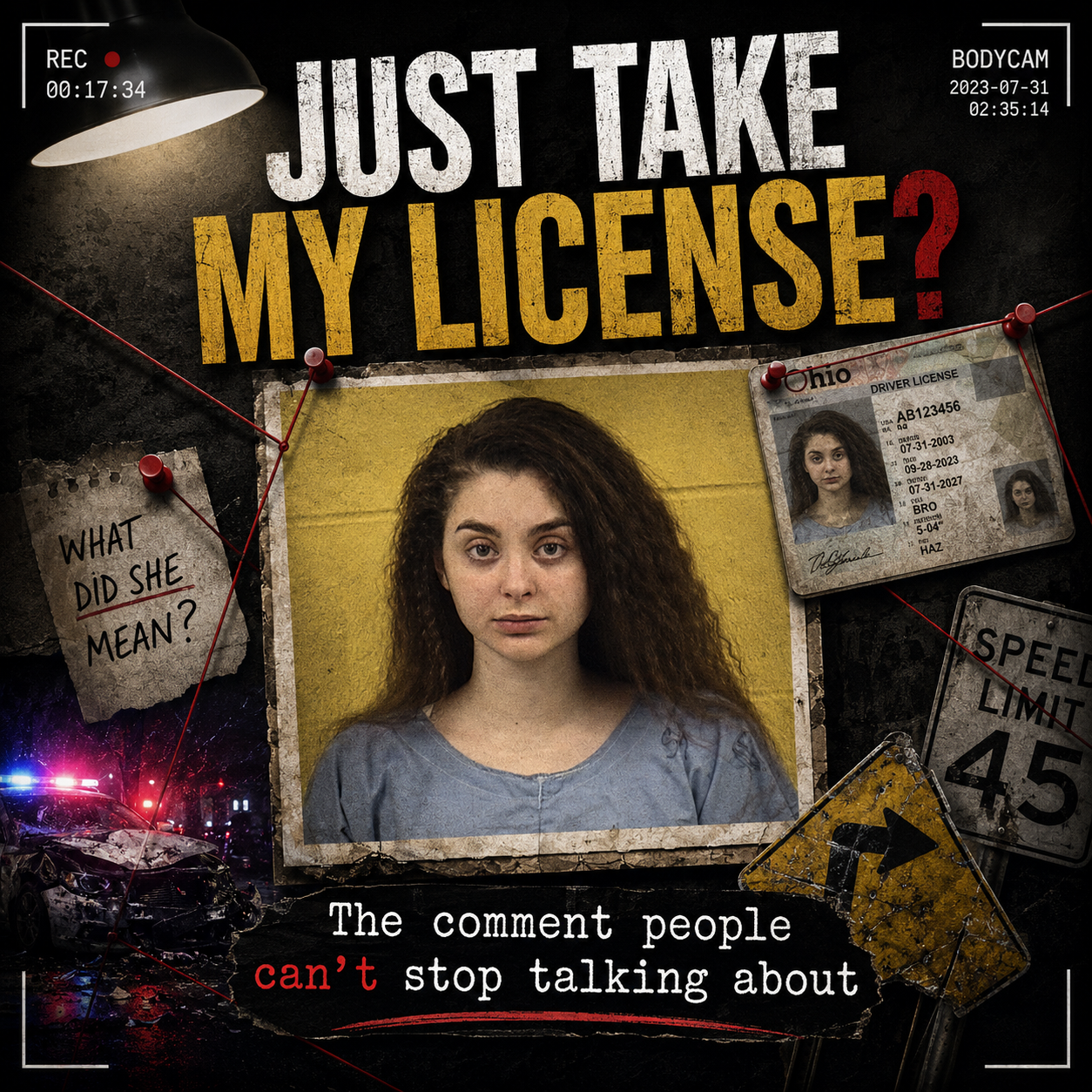
Did Mackenzie Shirilla Think Losing Her License Was the Worst Possible Outcome?
Among the newly released bodycam footage in the Mackenzie Shirilla case, one comment continues generating strong reactions. During a conversation with police, Mackenzie reportedly asked whether her driver's license could simply be taken away for ten years. Years later, critics still point to that exchange as a revealing glimpse into how she may have viewed the situation in the immediate aftermath of the crash.
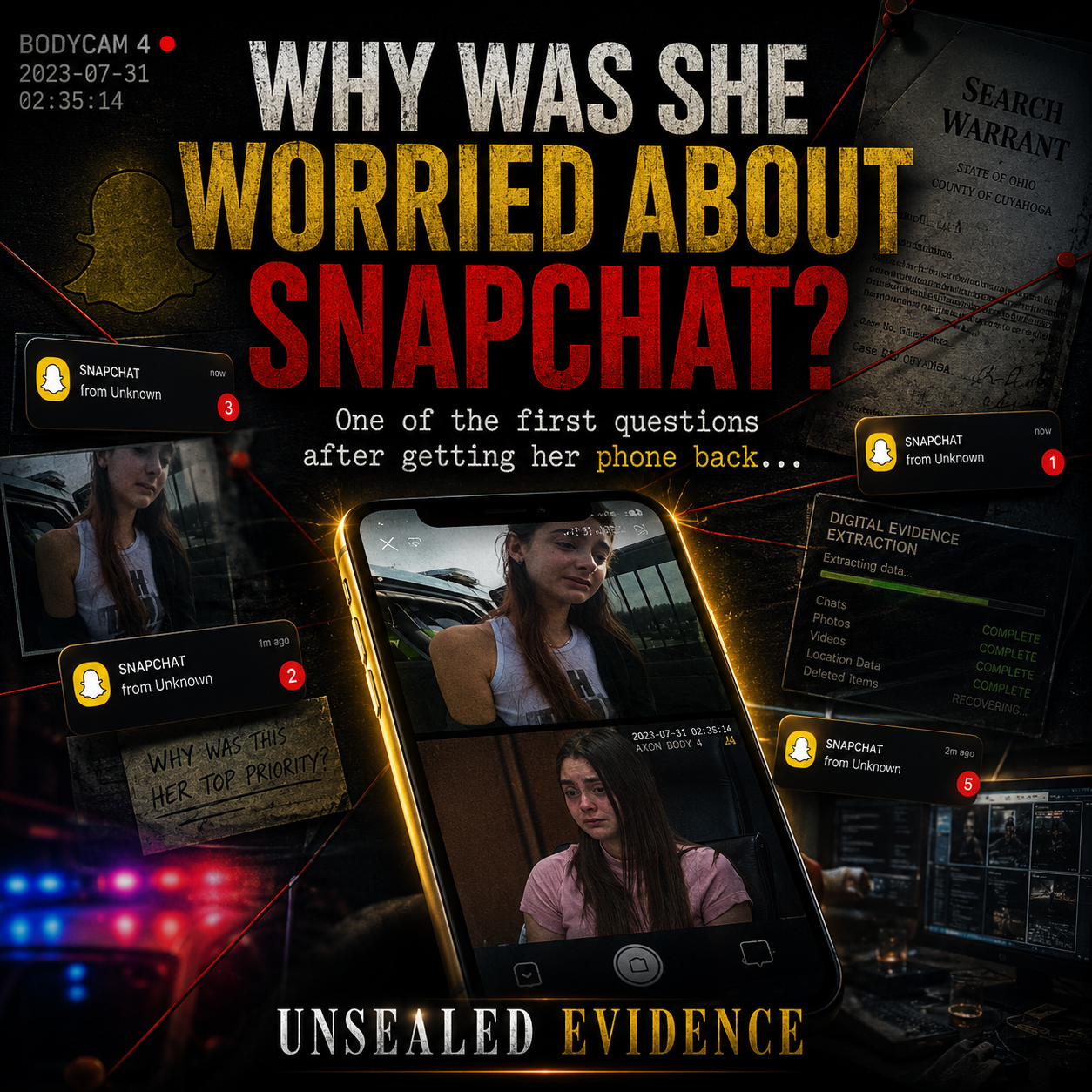
Why Were Snapchat Messages One of Mackenzie Shirilla's First Concerns After the Crash?
Newly released bodycam footage from the Mackenzie Shirilla case is sparking debate online after a conversation about Snapchat messages took center stage shortly after investigators returned her phone. For critics of Mackenzie Shirilla, the exchange raises uncomfortable questions about priorities, mindset, and what seemed most important in the aftermath of a crash that killed Dominic Russo and Davion Flanagan.
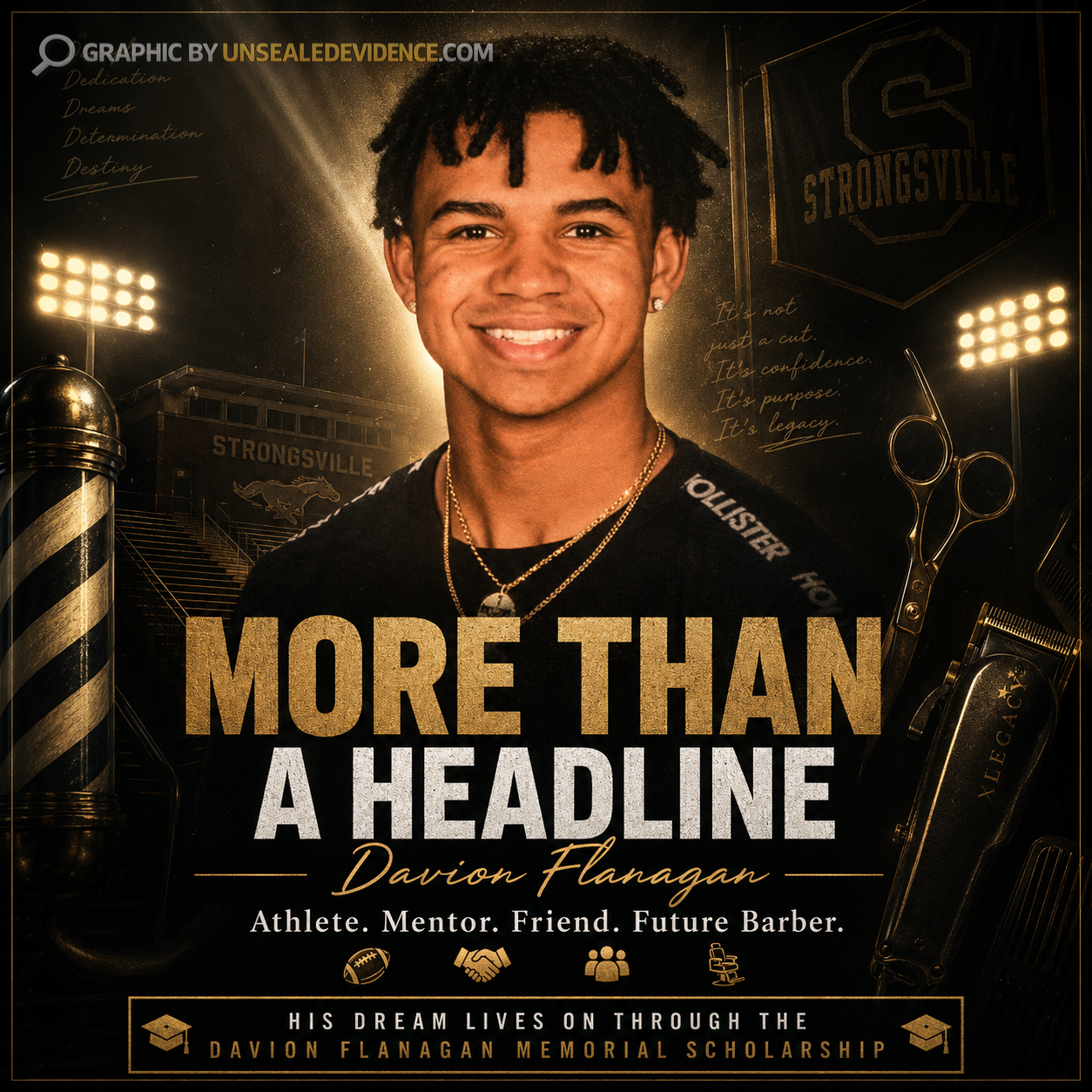
More Than The Friend In The Backseat: Remembering Davion Flanagan
In many true crime stories, victims slowly become overshadowed by the person responsible. But Davion Flanagan was more than a victim. He was an athlete, a mentor, a son, a friend, and a young man with dreams of becoming a barber. This is the story of who Davion was before the headlines.
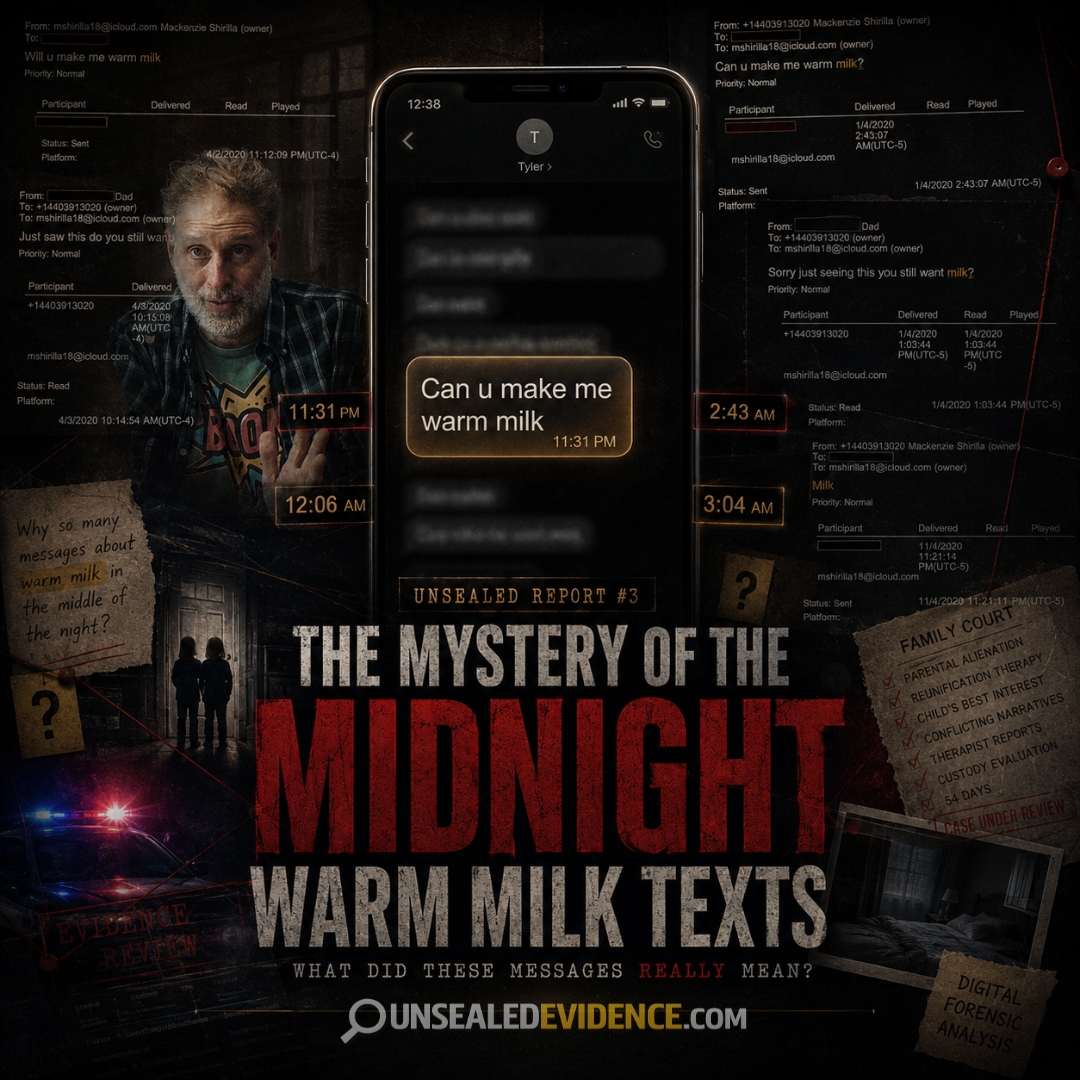
The Midnight Warm Milk Mystery: The Text Messages Raising New Questions About Mackenzie Shirilla's Home Life
Among the thousands of text messages extracted from Mackenzie Shirilla's phone, one recurring theme stands out. Over and over again, often after midnight and sometimes as late as 3 AM, Mackenzie repeatedly asked her father to make her warm milk. The requests appear frequently enough to draw attention, but it is the surrounding circumstances that have left many people asking whether these messages were really about milk at all.