
Medical Emergency or Intentional Crash? The Physics Questions Surrounding Mackenzie Shirilla’s POTS Defense
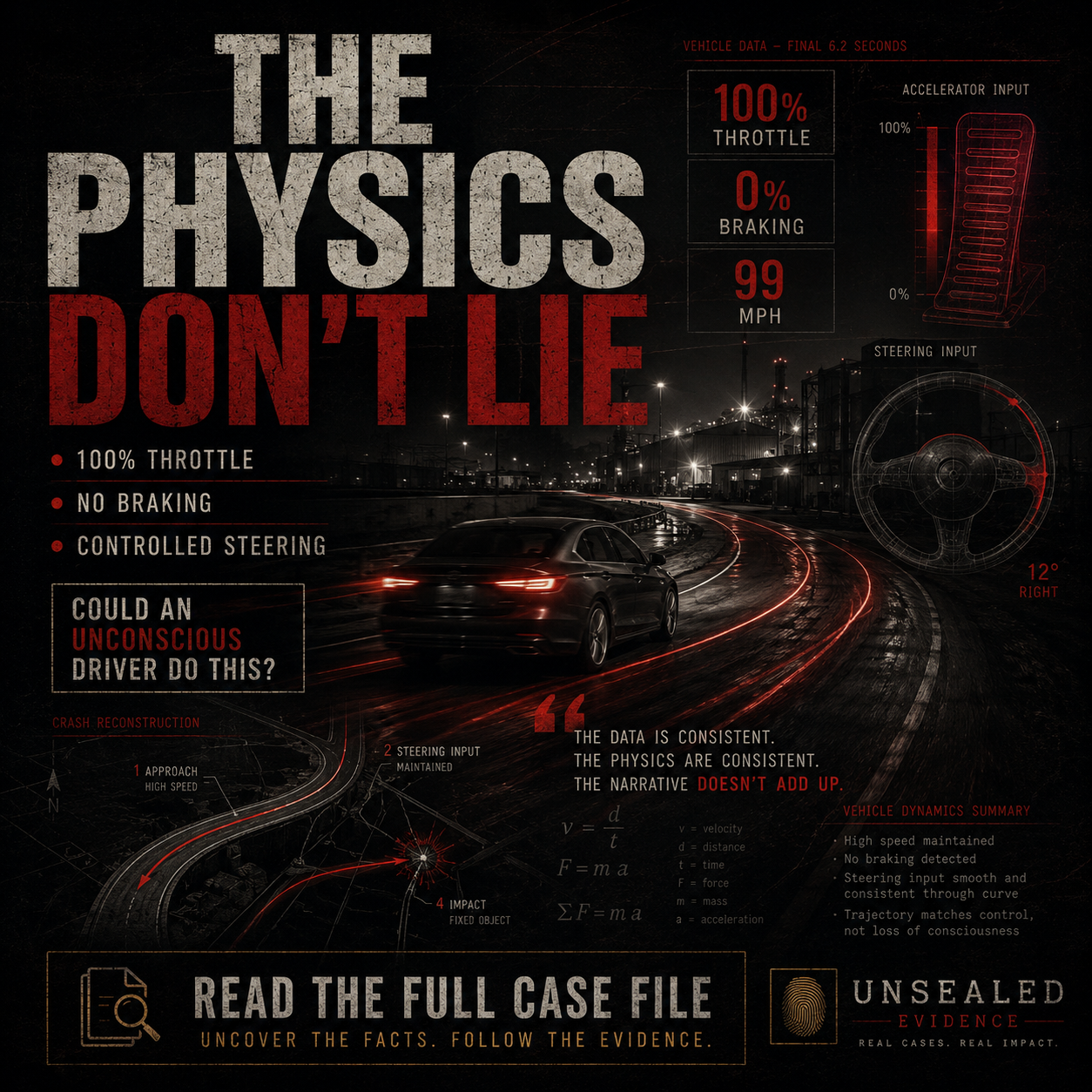
One of the most controversial defenses surrounding the Mackenzie Shirilla case is the claim that a medical emergency tied to POTS caused her to lose consciousness before the fatal Strongsville crash. But Event Data Recorder evidence, steering data, and the actual physics of the collision are leading many people to question whether an unconscious driver could realistically have navigated the roadway and maintained full acceleration moments before impact.
The “Medical Emergency” Explanation Continues Raising Questions
One of the biggest ongoing debates surrounding the Mackenzie Shirilla case is the claim that she suffered a sudden medical emergency connected to POTS and lost consciousness behind the wheel before the fatal 2022 Strongsville crash that killed Dominic Russo and Davion Flanagan.
And honestly, I keep coming back to the same question every time I review the crash evidence:
How does an unconscious person continue actively accelerating a vehicle at full throttle while navigating curved roadways at nearly 100 miles per hour?
Because once you step back and look at the actual crash physics, the “medical emergency” explanation becomes increasingly difficult to reconcile with the physical evidence documented in this case.
The Event Data Recorder Evidence
According to the vehicle’s Event Data Recorder, the accelerator pedal was reportedly pressed all the way to 100% throttle during the final seconds leading up to impact.
The data also reportedly showed:
- no braking
- no evasive steering away from the wall
- continued acceleration
- full throttle maintained for approximately five seconds before impact
That detail matters tremendously.
Because when a person faints or loses consciousness, the human body generally loses muscle rigidity. Muscles go limp. Limbs relax. Feet naturally slip or lose sustained pressure.
That is why so many people continue questioning how someone who was allegedly unconscious could maintain enough consistent physical force to keep the accelerator pedal pinned to the floor at maximum pressure.
The Curved Roadway Problem
But for me personally, the steering path raises even bigger questions than the gas pedal itself.
The industrial access road involved in the crash was not simply one long straight line.
It curved.
The roadway bends through the industrial park before reaching the building.
Which means the vehicle did not simply continue straight after some random loss of consciousness.
To remain on the pavement while accelerating toward the building at nearly 100 mph, the vehicle had to continue navigating those curves.
That is where the physics become incredibly difficult for many people to ignore.
An unconscious person cannot actively correct steering through bends in a roadway with precision while maintaining full acceleration.
At those speeds, even small steering deviations would dramatically alter the vehicle’s trajectory.
Yet the vehicle reportedly remained controlled enough to continue following the roadway directly toward the building.
Why The Physics Matter
This is one reason the prosecution’s theory resonated so strongly with many people following the case.
Because the physical evidence did not simply suggest recklessness.
To many observers, it suggested sustained control.
The combination of:
- 100% throttle
- continued acceleration
- zero braking
- successful navigation through roadway curves
- direct impact into the building
creates a sequence of events that many people struggle to reconcile with unconsciousness.
And that is before even factoring in the emotional context, relationship dynamics, alleged arguments, and prosecution claims surrounding the case itself.
The POTS Discussion
To be clear, POTS is a real medical condition that can absolutely cause dizziness, fainting episodes, and loss of consciousness in some individuals.
But the larger debate here is not whether POTS exists.
The debate is whether the actual crash evidence aligns with the claim that unconsciousness caused this specific collision.
And that distinction matters.
Because many people online mistakenly interpret criticism of the defense theory as criticism of the condition itself, when those are two entirely different conversations.
The Netflix Effect
The release of Netflix’s The Crash reignited public sympathy for Mackenzie Shirilla in many corners of the internet.
Some viewers walked away believing the crash may truly have been a tragic accident caused by emotional distress or medical complications.
Others felt the documentary minimized or softened the physical evidence presented during trial.
And honestly, I think that is why discussions about the crash physics continue resurfacing repeatedly online.
Because physics are difficult to emotionally reinterpret.
People may disagree about personality, motives, emotions, intent, or courtroom strategy.
But the Event Data Recorder data remains what it is.
The roadway remains what it is.
The speed remains what it is.
The steering path remains what it is.
My Opinion
Personally, I have an extremely hard time believing an unconscious driver could maintain full acceleration while steering through curved sections of roadway at nearly 100 mph without any visible attempt to brake or correct away from impact.
The more I study the physical evidence in this case, the less the “medical emergency” explanation makes sense to me from a purely mechanical and physics-based standpoint.
And I think that is why this case continues haunting so many people years later.
Because the evidence forces people to ask themselves an incredibly uncomfortable question:
If she was conscious enough to steer, was she conscious enough to choose?
Final Thoughts
The Mackenzie Shirilla case continues dividing public opinion years after the crash.
But one thing that keeps pulling people back into the debate is the physical evidence itself.
The accelerator data.
The steering path.
The lack of braking.
The roadway curves.
The speed.
For many people, those details make the “medical emergency” explanation increasingly difficult to accept.
And regardless of where someone personally stands on the case, the physics surrounding the crash remain one of the most heavily debated and emotionally charged aspects of the entire investigation.
Continue Investigating

The Forgotten Sister: Was Danielle Shirilla Held To Different Standards Than Mackenzie?
One comment buried inside a recorded jail call has people asking a question few seem interested in discussing: what was life like for Danielle Shirilla? While Mackenzie Shirilla became the focus of documentaries, headlines, and public attention, her older sister remains almost entirely absent from the story. A remark about Danielle losing her bed frame has reignited conversations about whether both daughters were held to the same standards.
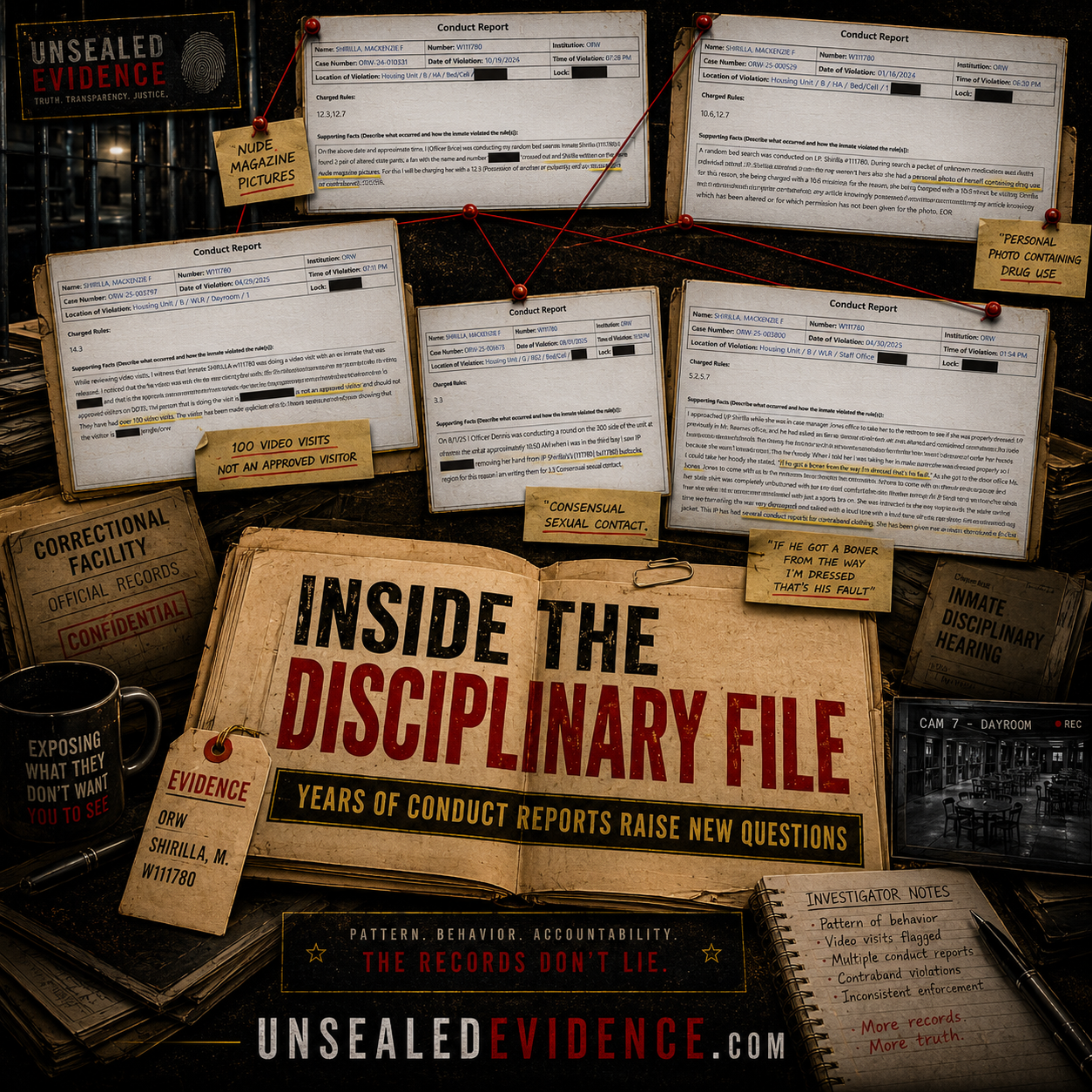
Nude Photos, Explicit Video Calls, Unauthorized Medication and More: Inside Mackenzie Shirilla's Prison Disciplinary File
What exactly has Mackenzie Shirilla been getting written up for while behind bars? Newly obtained disciplinary records reveal allegations involving nude magazine photos, unauthorized medication, explicit video calls, stolen property, contraband, and more.
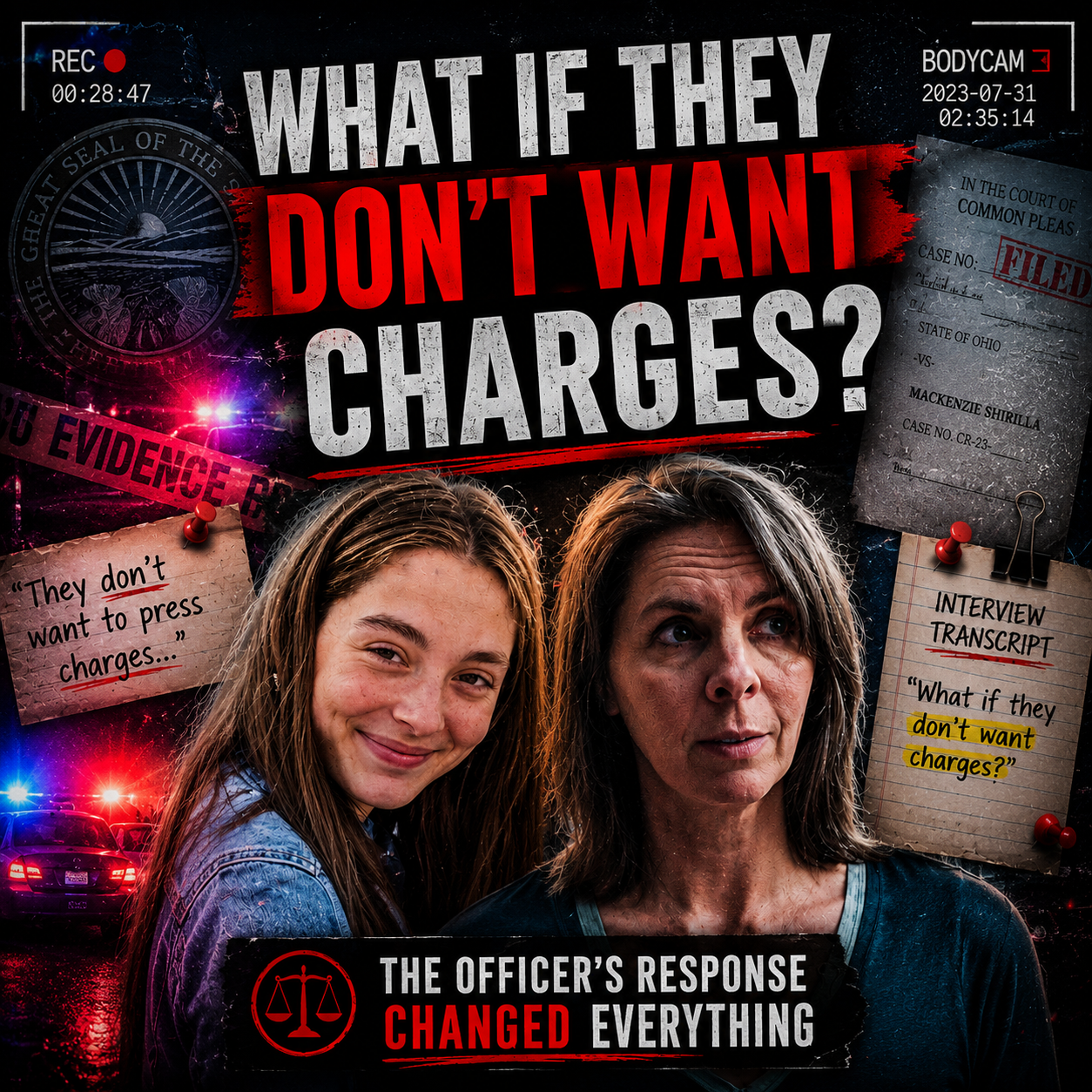
"What If The Families Don't Want Charges?" The Bodycam Exchange People Can't Stop Talking About
One of the most revealing moments in the newly released Mackenzie Shirilla bodycam footage has nothing to do with the crash itself. Instead, it centers on a conversation about whether Dominic Russo's and Davion Flanagan's families wanted criminal charges filed—and the officer's explanation of why that decision was no longer up to them.

Kim Kardashian Reportedly Has No Interest In Mackenzie Shirilla's Case
Recorded jail calls revealed Mackenzie Shirilla discussing the possibility that Kim Kardashian might take an interest in her case. Days later, multiple media outlets reported that sources close to Kardashian indicated she has no plans to become involved, raising new questions about how Mackenzie and her family view public attention surrounding the case.
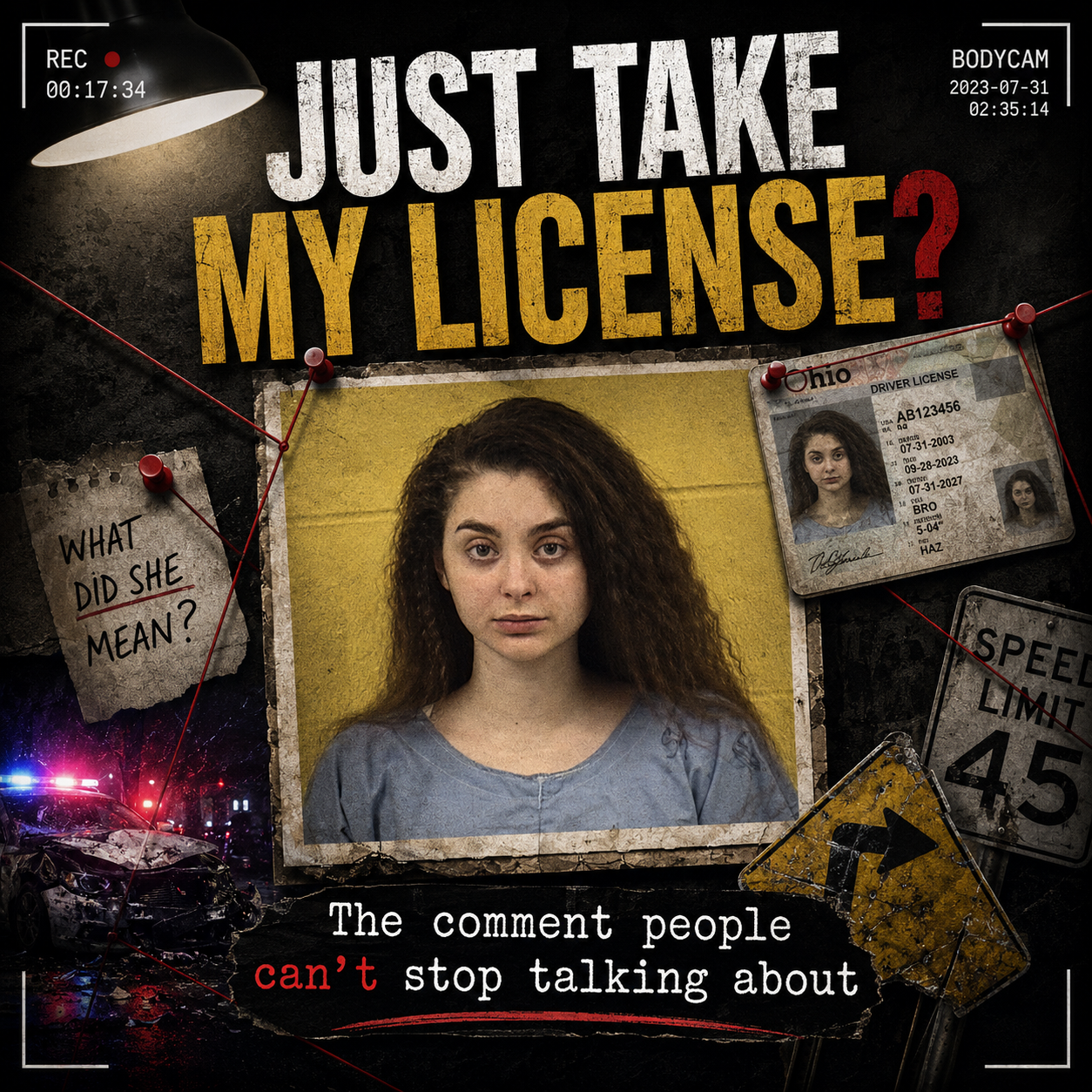
Did Mackenzie Shirilla Think Losing Her License Was the Worst Possible Outcome?
Among the newly released bodycam footage in the Mackenzie Shirilla case, one comment continues generating strong reactions. During a conversation with police, Mackenzie reportedly asked whether her driver's license could simply be taken away for ten years. Years later, critics still point to that exchange as a revealing glimpse into how she may have viewed the situation in the immediate aftermath of the crash.
Why Were Snapchat Messages One of Mackenzie Shirilla's First Concerns After the Crash?
Newly released bodycam footage from the Mackenzie Shirilla case is sparking debate online after a conversation about Snapchat messages took center stage shortly after investigators returned her phone. For critics of Mackenzie Shirilla, the exchange raises uncomfortable questions about priorities, mindset, and what seemed most important in the aftermath of a crash that killed Dominic Russo and Davion Flanagan.

More Than The Friend In The Backseat: Remembering Davion Flanagan
In many true crime stories, victims slowly become overshadowed by the person responsible. But Davion Flanagan was more than a victim. He was an athlete, a mentor, a son, a friend, and a young man with dreams of becoming a barber. This is the story of who Davion was before the headlines.

The Midnight Warm Milk Mystery: The Text Messages Raising New Questions About Mackenzie Shirilla's Home Life
Among the thousands of text messages extracted from Mackenzie Shirilla's phone, one recurring theme stands out. Over and over again, often after midnight and sometimes as late as 3 AM, Mackenzie repeatedly asked her father to make her warm milk. The requests appear frequently enough to draw attention, but it is the surrounding circumstances that have left many people asking whether these messages were really about milk at all.