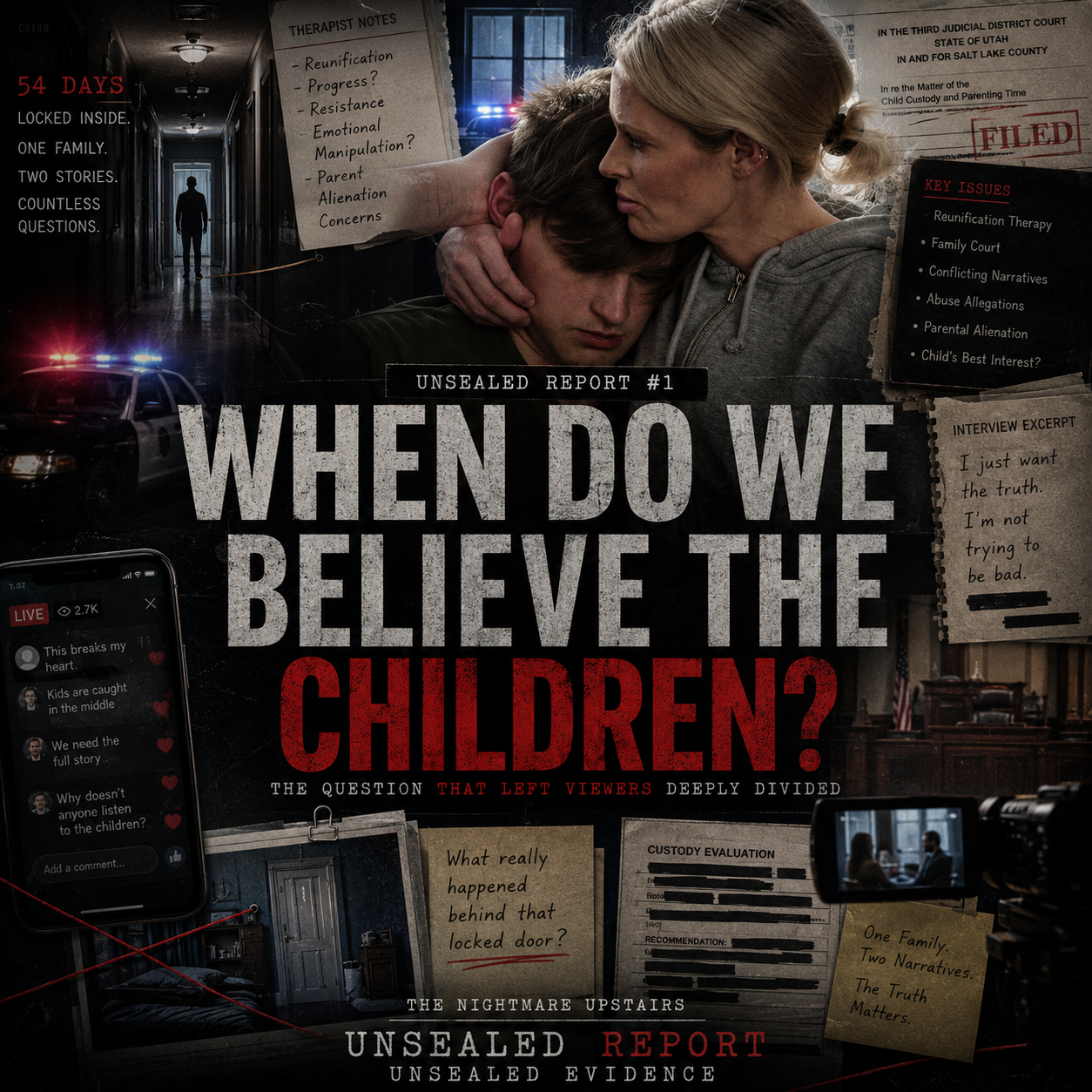
“When Do We Believe The Children?” — The Question That Hit Hardest In The Nightmare Upstairs
One moment from Hulu’s The Nightmare Upstairs continues haunting viewers long after the documentary ends. As Ty Larson expressed fear about reunification with his father, the response he received sparked outrage online and reignited a larger debate surrounding abuse allegations, parental alienation, and whether family courts truly listen when children say they are afraid.
There was one moment in The Nightmare Upstairs that honestly stopped me in my tracks.
Not because it was dramatic.
Not because it was loud.
Not because somebody screamed or cried.
But because of how casually it was said.
During one of the documentary’s most uncomfortable moments, Ty Larson is expressing why he does not want to see or live with his father. He talks about fear. He talks about what he says happened to him. He talks about why he feels unsafe.
And the response?
“Well… you know he wasn’t convicted, right?”
That single sentence feels like the entire controversy surrounding this case wrapped into one moment.
Because here’s the thing people keep struggling with in cases involving abuse allegations and family court:
A lack of conviction does not automatically mean nothing happened.
That does NOT mean somebody is guilty.
But it also does NOT mean someone’s fear should instantly be dismissed.
And that’s where this case becomes so deeply uncomfortable.
Throughout the documentary, viewers are constantly pulled between two completely different narratives.
One side believes Ty and Bryn were trying to avoid someone they genuinely feared.
The other side believes they had been manipulated into believing their father was dangerous through parental alienation.
And somewhere in the middle of all of that are two people who locked themselves inside an upstairs bedroom for 54 days because they believed whatever waited outside that door was worse.
That should disturb people regardless of which side they land on.
One of the most controversial figures in the documentary quickly became reunification therapist and social worker Michelle Jones.
The backlash online exploded after viewers watched discussions surrounding reunification therapy, particularly the idea that Ty and Bryn allegedly needed intense separation from their mother in order to reconnect with their father.
For many viewers, the documentary raised a terrifying question:
At what point does “reunification” stop being therapy and start feeling like forced compliance?
Because some people watching this documentary didn’t see healing.
They saw fear.
The moment that really fueled public outrage came when the documentary explored recommendations involving a 90-day reunification program that would reportedly separate them from their mother entirely.
For critics of reunification therapy, this became one of the most alarming parts of the entire series.
Not because reunification itself is automatically wrong.
But because viewers were left asking:
Why were those fears seemingly treated as obstacles instead of warning signs?
And again — none of this proves criminal guilt.
That matters.
Facts matter.
Legal standards matter.
But emotionally?
Psychologically?
Publicly?
This documentary hit people hard because many viewers walked away feeling like emotional distress was treated as secondary to court compliance.
That is why the question “When do we believe the children?” has become one of the defining conversations surrounding this case.
Not because people think children should automatically control custody decisions.
But because people are struggling to understand how someone can appear THAT terrified while adults continue insisting the solution is more forced contact.
And honestly?
That may be the real reason this story exploded online.
Not because people fully agree on what happened.
But because almost everybody walked away uncomfortable.
Continue Investigating
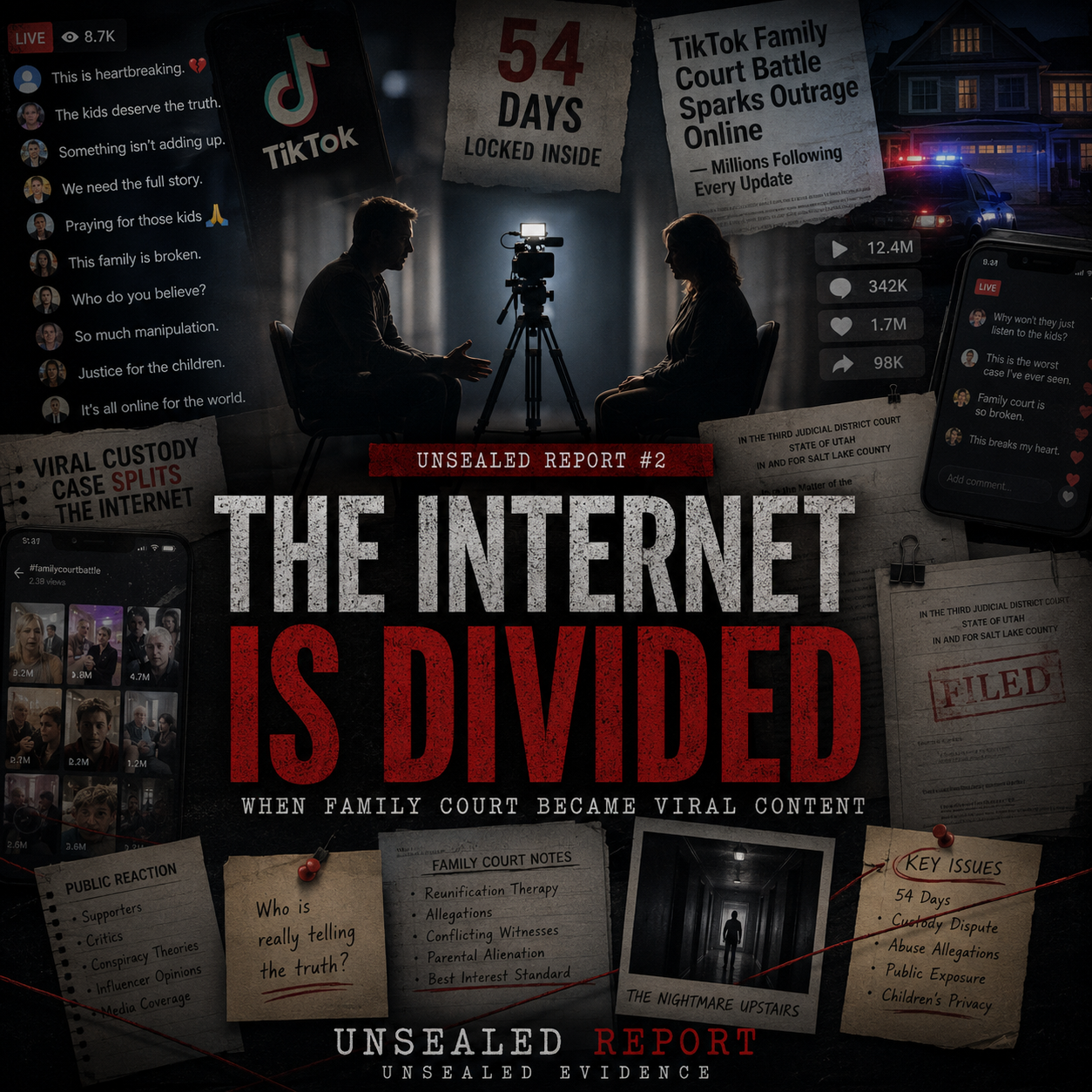
The Internet Is Divided Over Ty & Bryn’s Mother — And The TikToks Made It Worse
As The Nightmare Upstairs continues spreading online, many viewers are finding themselves deeply conflicted over Jessica Zahrt’s role in the case. While some believe she protected her family during a terrifying custody battle, others believe the TikTok livestreams and social media attention may have intensified an already explosive situation.
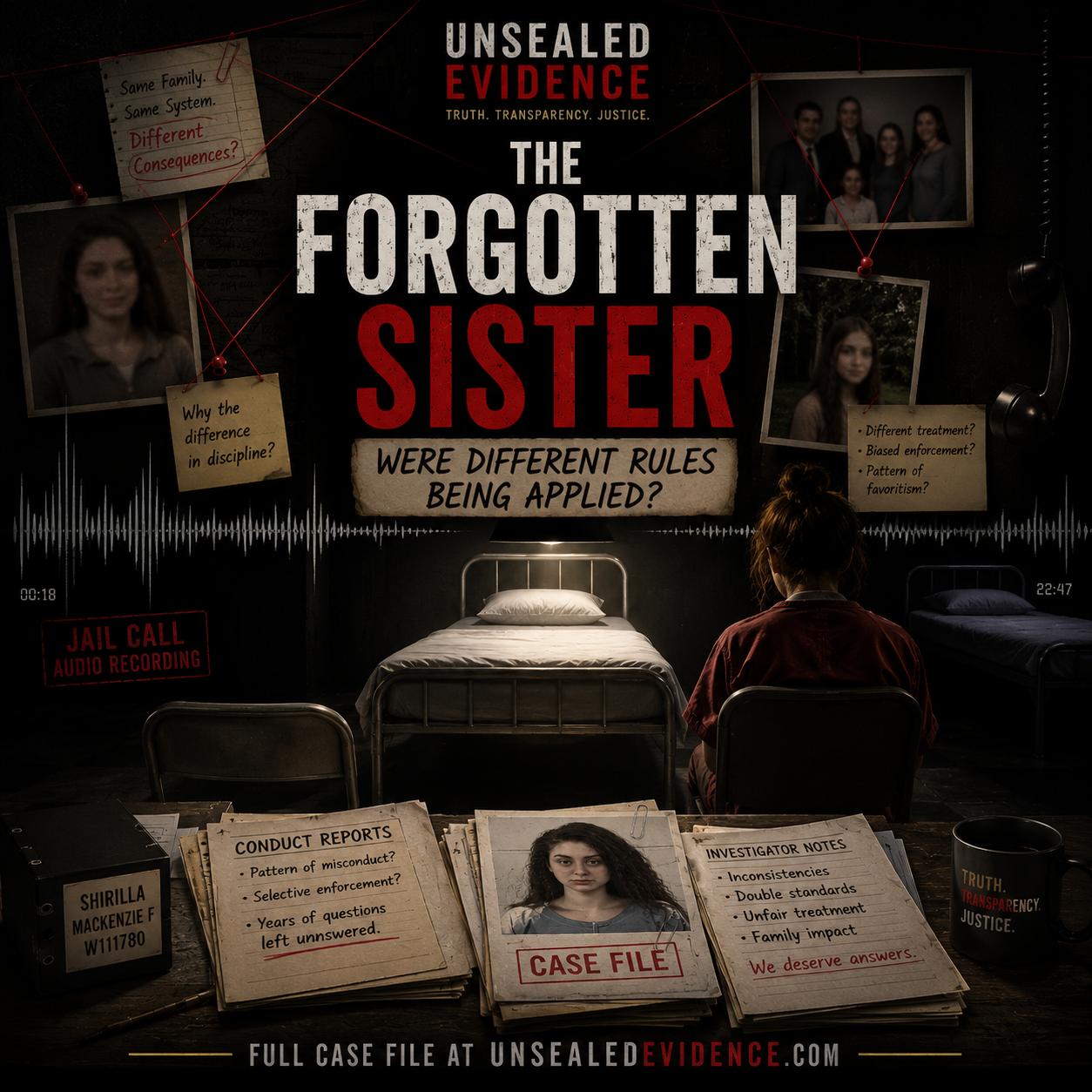
The Forgotten Sister: Was Danielle Shirilla Held To Different Standards Than Mackenzie?
One comment buried inside a recorded jail call has people asking a question few seem interested in discussing: what was life like for Danielle Shirilla? While Mackenzie Shirilla became the focus of documentaries, headlines, and public attention, her older sister remains almost entirely absent from the story. A remark about Danielle losing her bed frame has reignited conversations about whether both daughters were held to the same standards.
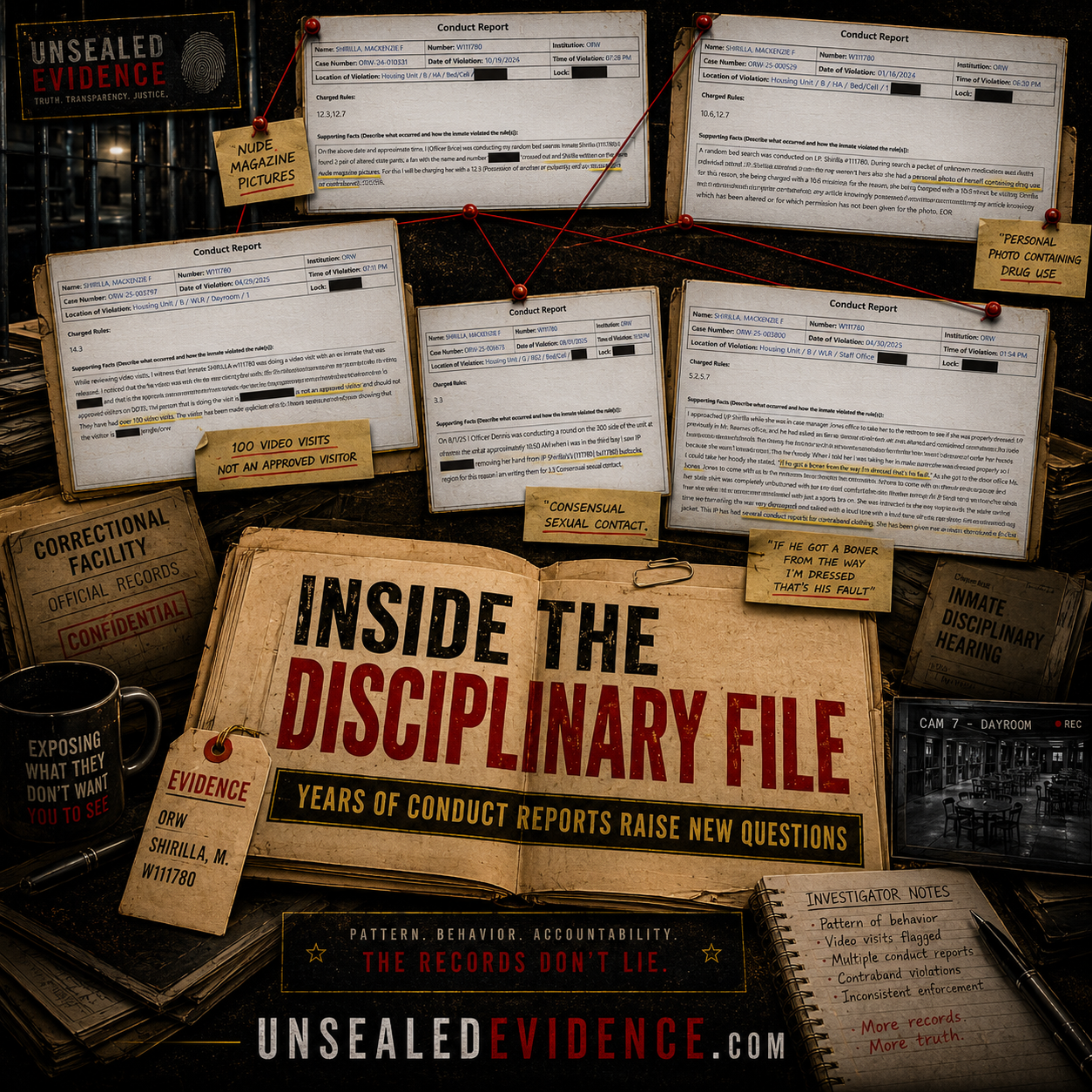
Nude Photos, Explicit Video Calls, Unauthorized Medication and More: Inside Mackenzie Shirilla's Prison Disciplinary File
What exactly has Mackenzie Shirilla been getting written up for while behind bars? Newly obtained disciplinary records reveal allegations involving nude magazine photos, unauthorized medication, explicit video calls, stolen property, contraband, and more.
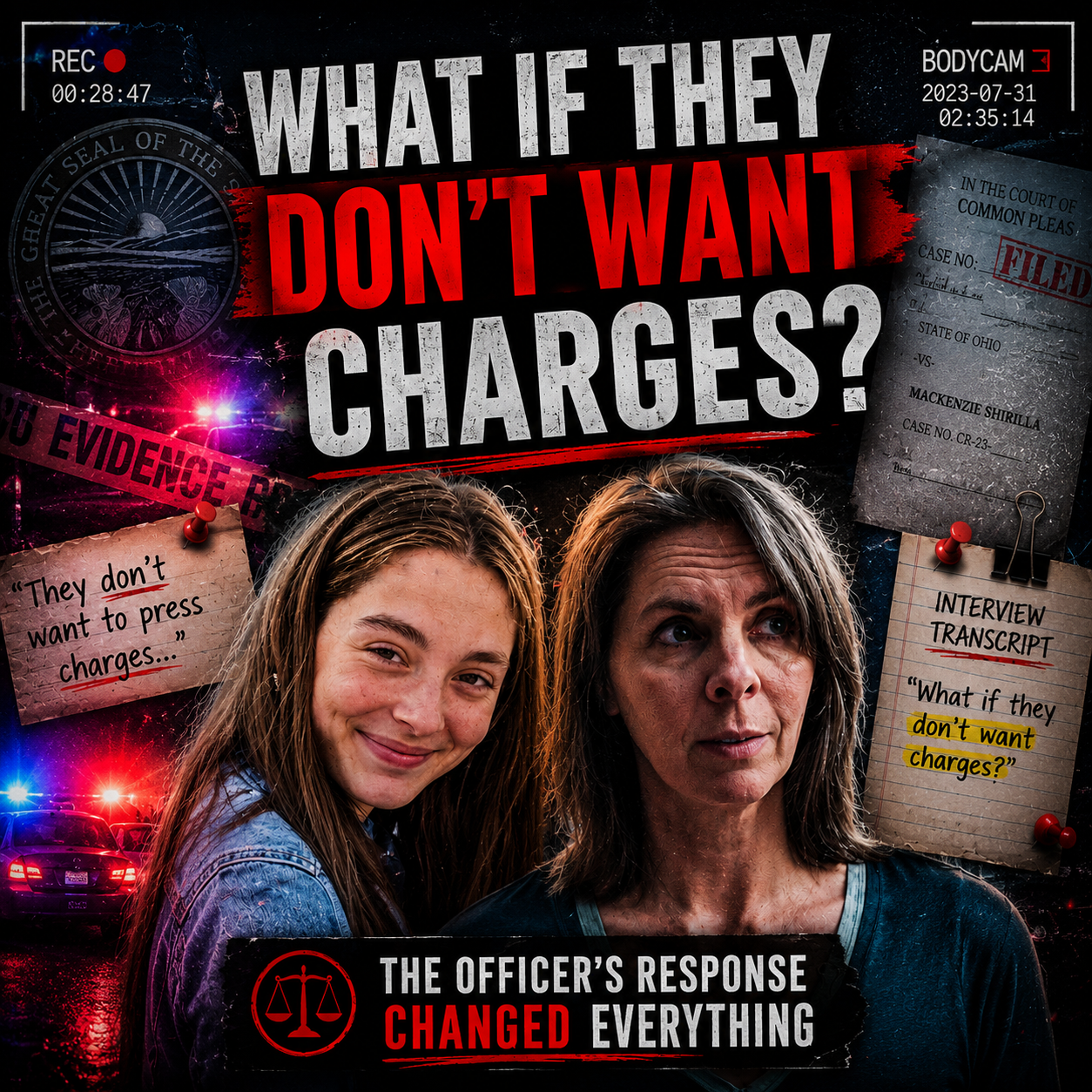
"What If The Families Don't Want Charges?" The Bodycam Exchange People Can't Stop Talking About
One of the most revealing moments in the newly released Mackenzie Shirilla bodycam footage has nothing to do with the crash itself. Instead, it centers on a conversation about whether Dominic Russo's and Davion Flanagan's families wanted criminal charges filed—and the officer's explanation of why that decision was no longer up to them.
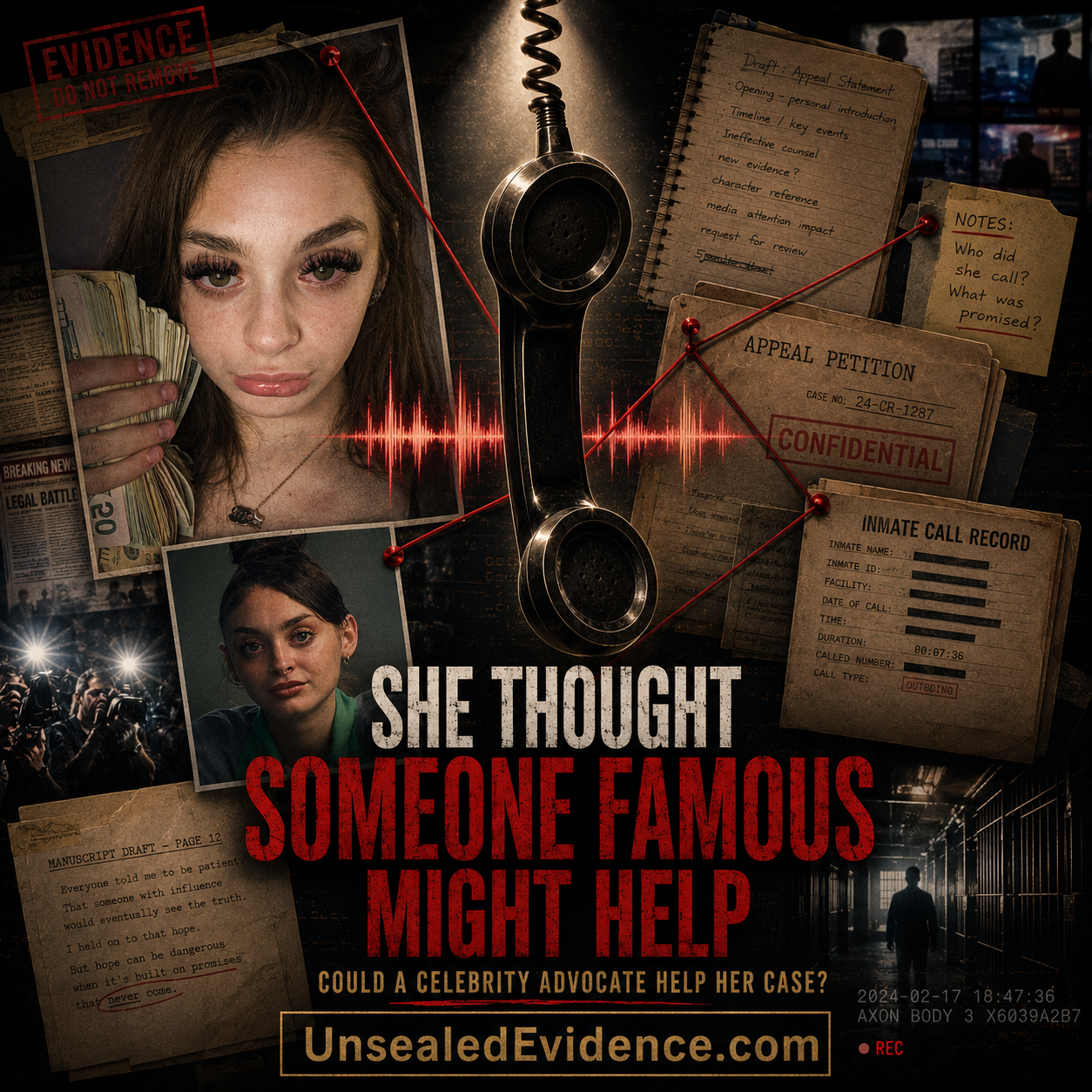
Kim Kardashian Reportedly Has No Interest In Mackenzie Shirilla's Case
Recorded jail calls revealed Mackenzie Shirilla discussing the possibility that Kim Kardashian might take an interest in her case. Days later, multiple media outlets reported that sources close to Kardashian indicated she has no plans to become involved, raising new questions about how Mackenzie and her family view public attention surrounding the case.
The Internet Is Divided Over Ty & Bryn’s Mother — And The TikToks Made It Worse
As The Nightmare Upstairs continues spreading online, many viewers are finding themselves deeply conflicted over Jessica Zahrt’s role in the case. While some believe she protected her family during a terrifying custody battle, others believe the TikTok livestreams and social media attention may have intensified an already explosive situation.
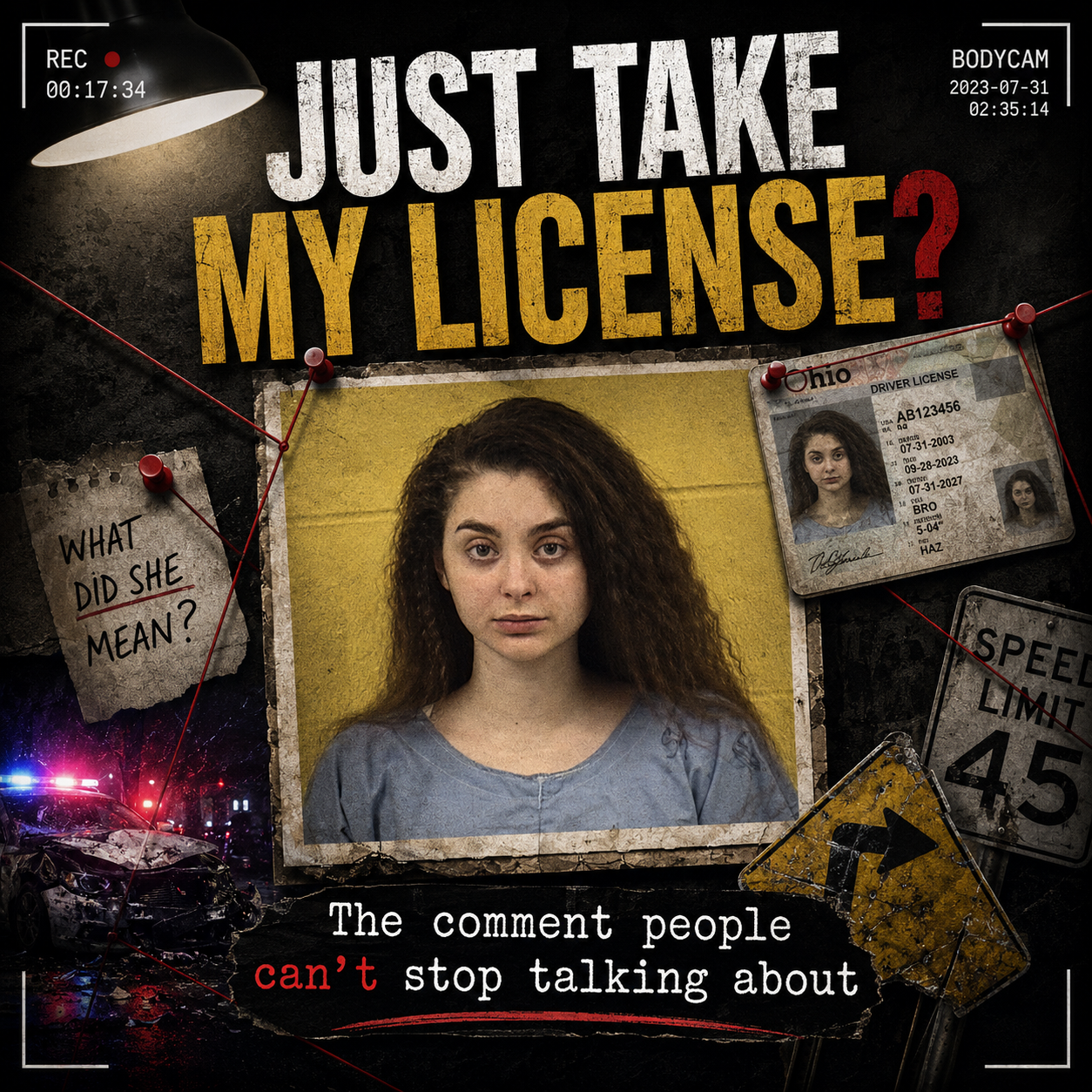
Did Mackenzie Shirilla Think Losing Her License Was the Worst Possible Outcome?
Among the newly released bodycam footage in the Mackenzie Shirilla case, one comment continues generating strong reactions. During a conversation with police, Mackenzie reportedly asked whether her driver's license could simply be taken away for ten years. Years later, critics still point to that exchange as a revealing glimpse into how she may have viewed the situation in the immediate aftermath of the crash.
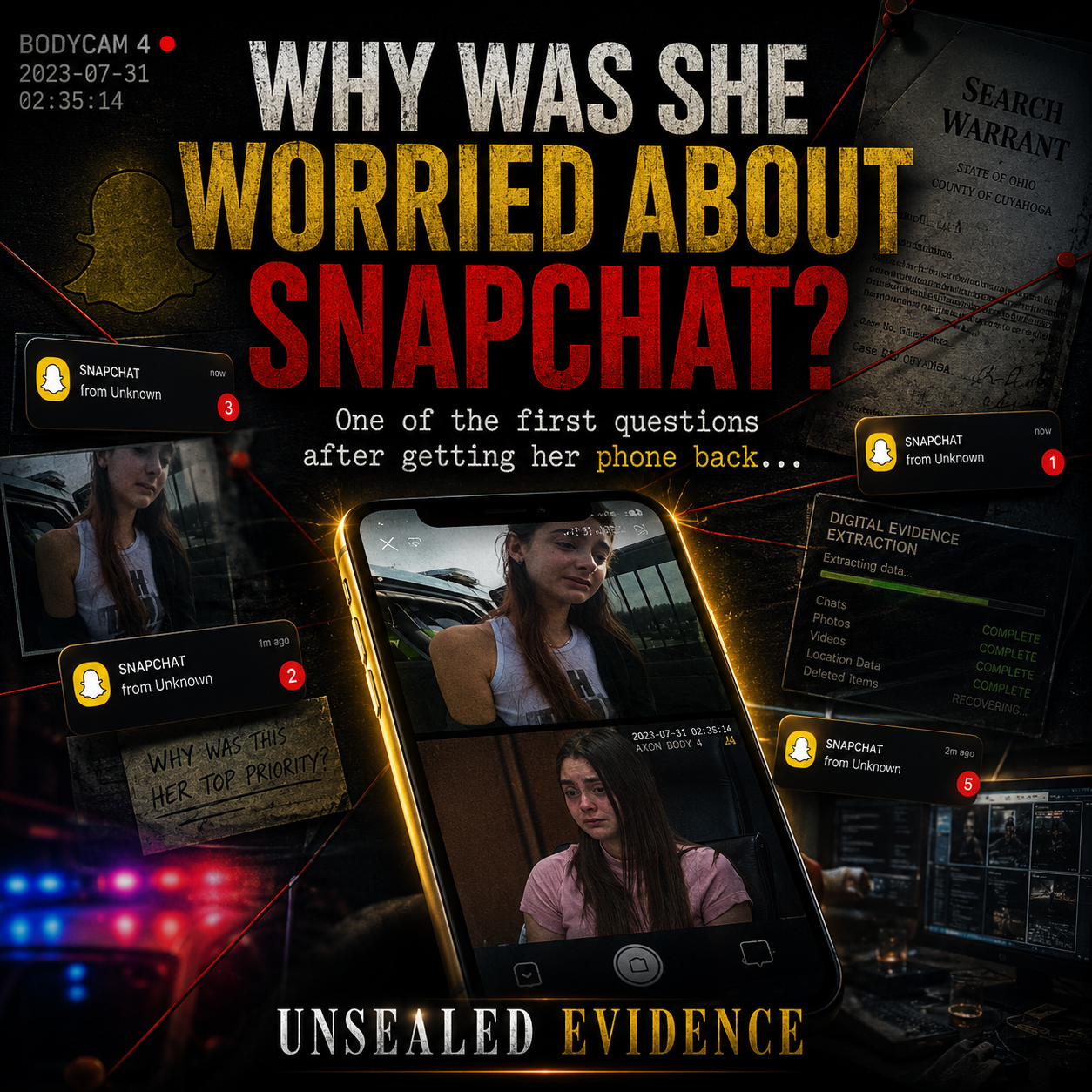
Why Were Snapchat Messages One of Mackenzie Shirilla's First Concerns After the Crash?
Newly released bodycam footage from the Mackenzie Shirilla case is sparking debate online after a conversation about Snapchat messages took center stage shortly after investigators returned her phone. For critics of Mackenzie Shirilla, the exchange raises uncomfortable questions about priorities, mindset, and what seemed most important in the aftermath of a crash that killed Dominic Russo and Davion Flanagan.