The Pig Latin Audio: Did Mackenzie Shirilla Try to Coordinate a Medical Defense From Her Hospital Bed?
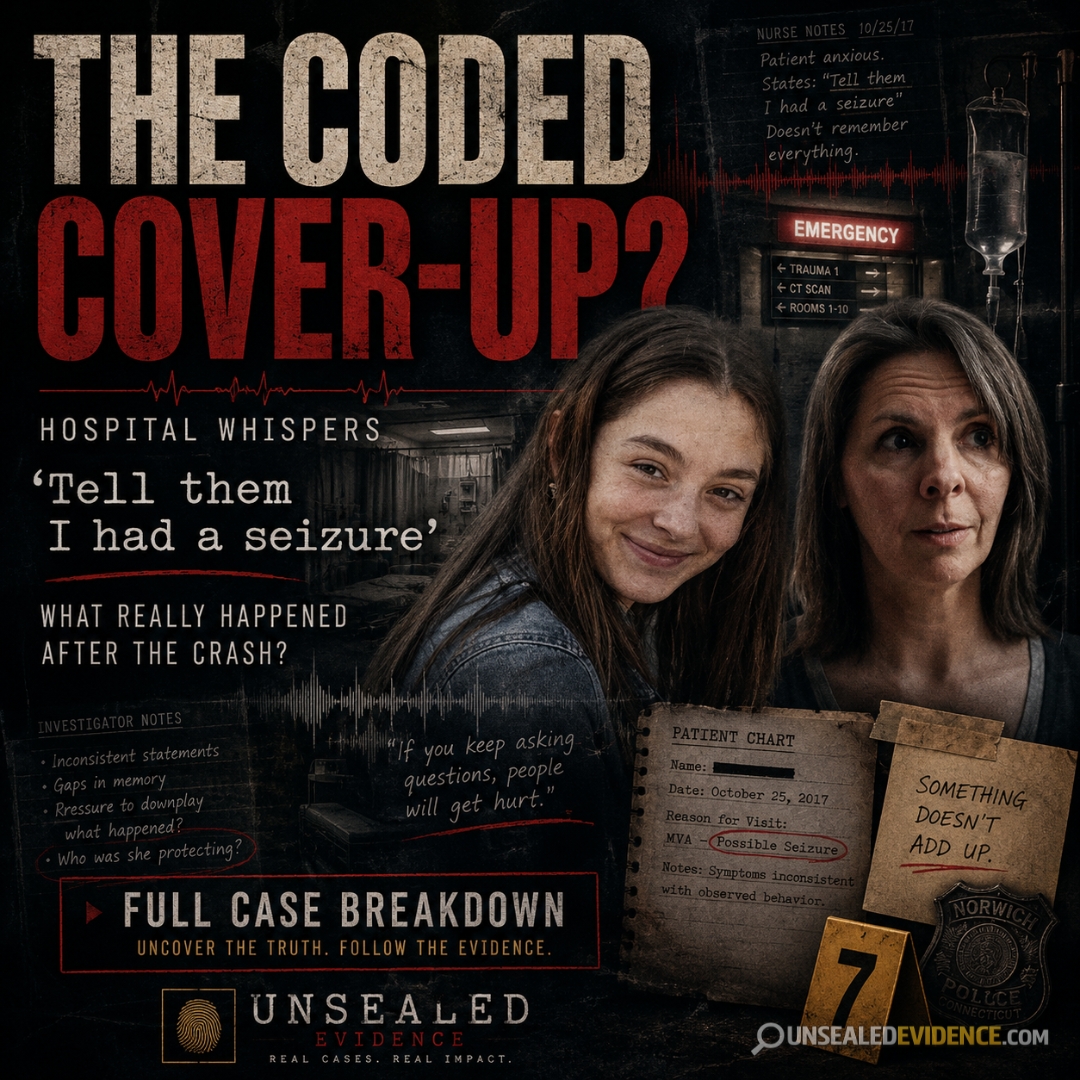
One of the most disturbing details discussed in Hulu’s Killer Cases involves an alleged coded conversation between Mackenzie Shirilla and her mother while Mackenzie was hospitalized after the fatal Strongsville crash. Critics believe the audio suggests she was already attempting to establish a seizure or blackout narrative immediately after the deaths of Dominic Russo and Davion Flanagan — a detail many say Netflix’s The Crash barely addressed.
The Hospital Audio That Continues Haunting This Case
Out of all the evidence, interviews, and behavioral details surrounding the Mackenzie Shirilla case, one of the most chilling moments for many people is not even the crash itself.
It is what allegedly happened afterward.
Specifically, the hospital audio discussed in Hulu’s Killer Cases involving Mackenzie Shirilla and her mother shortly after the fatal Strongsville crash that killed Dominic Russo and Davion Flanagan.
Because according to the reporting featured in the episode, Mackenzie was allegedly overheard speaking in a coded, pig-Latin-style language while discussing what explanation they should give investigators for the crash.
And honestly, if the allegations surrounding that conversation are accurate, it completely changes how many people interpret her mindset immediately following the collision.
The Alleged “Seizure” Conversation
According to details discussed in Killer Cases, Mackenzie Shirilla was allegedly heard whispering with her mother about telling investigators she suffered a seizure or sudden medical event before the crash.
The reported conversation quickly became one of the most controversial aspects of the entire case because critics argue it sounded less like confusion or trauma and more like active narrative coordination.
That distinction matters tremendously.
Because people naturally expect someone who just survived a catastrophic crash that killed their boyfriend and close friend to be consumed by shock, grief, panic, confusion, or emotional devastation.
Instead, critics argue the alleged conversation suggested immediate concern with establishing a medical explanation.
And for many people, that raised enormous red flags.
Why This Audio Disturbs So Many People
I think one reason this detail unsettles people so deeply is because of timing.
This was not years later.
This was not after media coverage.
This was not after courtroom strategy discussions.
This was allegedly happening immediately after the crash itself.
Which means many people interpret the conversation as evidence that Mackenzie Shirilla was already thinking about legal consequences, explanations, and defenses almost instantly.
And honestly, that is difficult for a lot of people to emotionally reconcile with the image of a confused, devastated teenager waking up from a tragic accident.
The “Medical Emergency” Narrative
The alleged hospital conversation also became hugely significant because it directly overlaps with the later defense theories involving possible medical episodes, blackouts, or sudden loss of consciousness.
Critics argue that if Mackenzie Shirilla was already discussing seizure-related explanations immediately after the crash, it raises questions about whether the medical emergency narrative was spontaneous — or strategically introduced from the very beginning.
That is exactly why this audio continues being discussed so heavily online years later.
Because to critics of the defense, the alleged conversation sounds less like someone searching for answers and more like someone attempting to create them.
The Paramedic Detail People Keep Bringing Up
Another reason this issue continues fueling debate is because of statements repeatedly referenced regarding first responders and medical personnel at the scene.
According to publicly discussed reporting surrounding the case, paramedics reportedly did not observe evidence suggesting Mackenzie Shirilla was actively experiencing a seizure, stroke, or catastrophic neurological emergency when she was removed from the vehicle.
Critics frequently point to that detail when arguing against the later blackout or medical episode explanations.
Combined with the Event Data Recorder evidence, the steering path, the accelerator data, and now the alleged hospital conversation, many people believe the medical emergency narrative becomes increasingly difficult to accept.
The Netflix Documentary Barely Touched This
One reason the hospital audio continues resurfacing online is because many critics believe Netflix’s The Crash either minimized or barely addressed this aspect of the case.
For viewers who only watched the documentary, the alleged coded conversations and seizure-discussion allegations came as a complete shock afterward.
And honestly, I understand why.
Because if true, this is not some small side detail.
This potentially speaks directly to consciousness, awareness, intent, and post-crash behavior immediately following the deaths of Dominic Russo and Davion Flanagan.
That is a massive issue to leave emotionally underexplored.
My Opinion
Personally, this is one of the hardest pieces of the entire case for me to get past.
Because when I try imagining an innocent teenager waking up after a horrific crash, I picture panic.
I picture crying.
I picture confusion.
I picture desperate questions about whether everyone survived.
What I do not picture is immediately whispering in coded language about possible medical explanations.
And I think that is exactly why this detail continues haunting so many people who follow the case closely.
To many observers, it does not feel like the behavior of someone unaware of what happened.
It feels calculated.
It feels deliberate.
And it feels like someone already thinking several steps ahead.
Final Thoughts
The alleged pig-Latin-style hospital conversation has become one of the most heavily debated behavioral details in the Mackenzie Shirilla case.
Supporters of Mackenzie argue people may be unfairly interpreting fragmented conversations from an extremely traumatic moment.
Critics argue the audio reveals immediate attempts to establish a false medical narrative before investigators could fully piece together what happened.
Either way, the discussion surrounding this audio continues fueling larger conversations about manipulation, intent, accountability, and the events leading up to the deaths of Dominic Russo and Davion Flanagan.
And years later, details like this are exactly why the public debate surrounding the Mackenzie Shirilla case refuses to fade away.
Continue Investigating
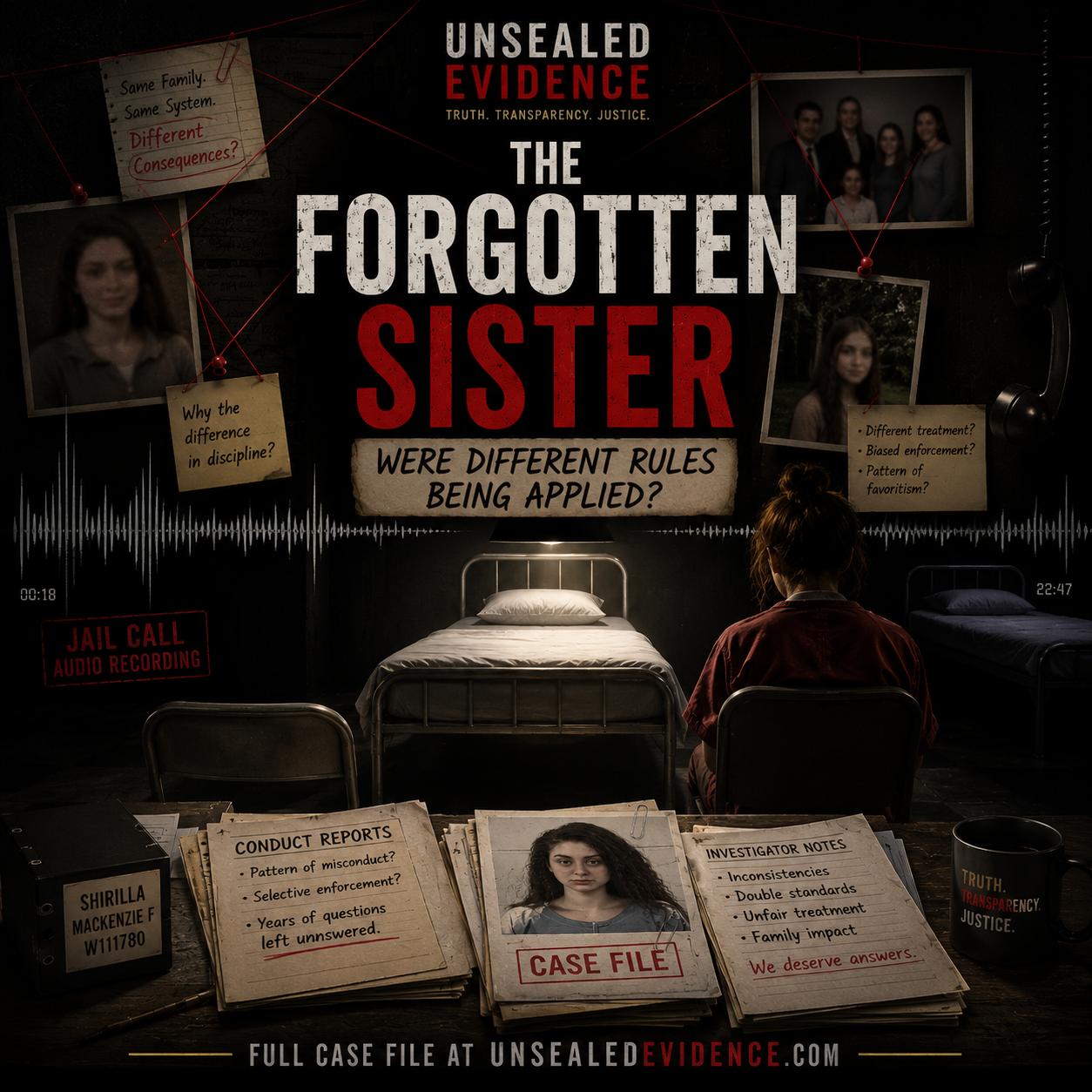
The Forgotten Sister: Was Danielle Shirilla Held To Different Standards Than Mackenzie?
One comment buried inside a recorded jail call has people asking a question few seem interested in discussing: what was life like for Danielle Shirilla? While Mackenzie Shirilla became the focus of documentaries, headlines, and public attention, her older sister remains almost entirely absent from the story. A remark about Danielle losing her bed frame has reignited conversations about whether both daughters were held to the same standards.
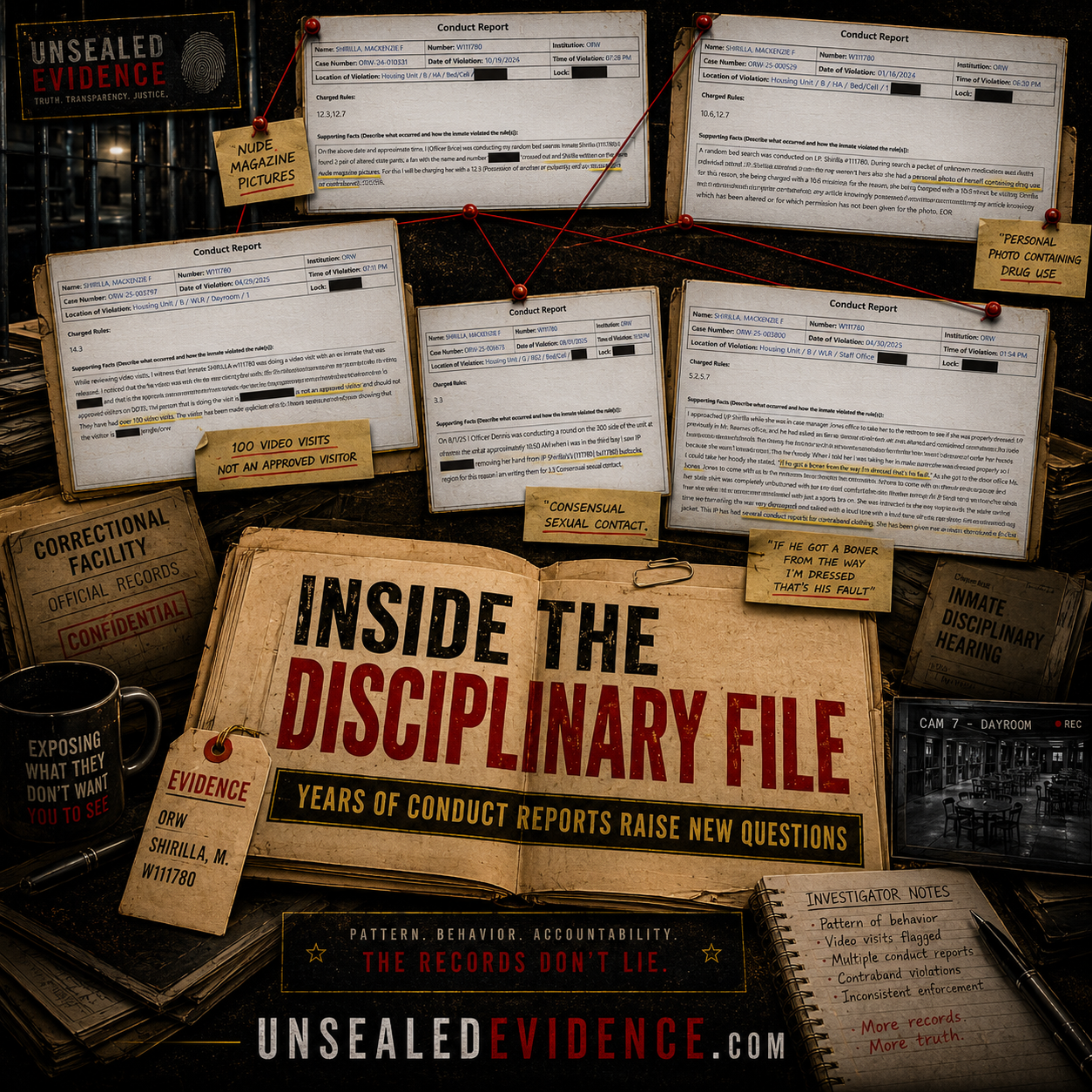
Nude Photos, Explicit Video Calls, Unauthorized Medication and More: Inside Mackenzie Shirilla's Prison Disciplinary File
What exactly has Mackenzie Shirilla been getting written up for while behind bars? Newly obtained disciplinary records reveal allegations involving nude magazine photos, unauthorized medication, explicit video calls, stolen property, contraband, and more.
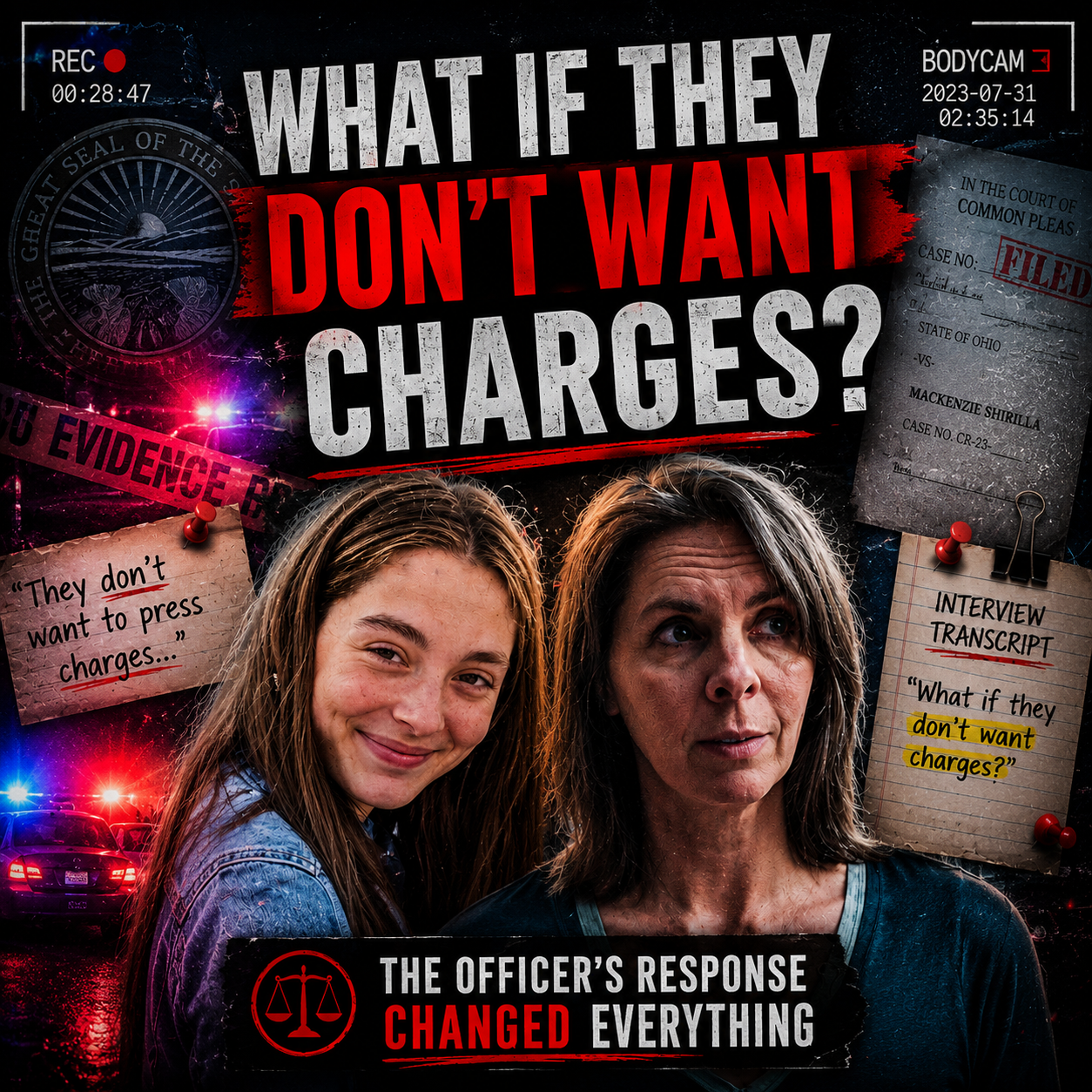
"What If The Families Don't Want Charges?" The Bodycam Exchange People Can't Stop Talking About
One of the most revealing moments in the newly released Mackenzie Shirilla bodycam footage has nothing to do with the crash itself. Instead, it centers on a conversation about whether Dominic Russo's and Davion Flanagan's families wanted criminal charges filed—and the officer's explanation of why that decision was no longer up to them.
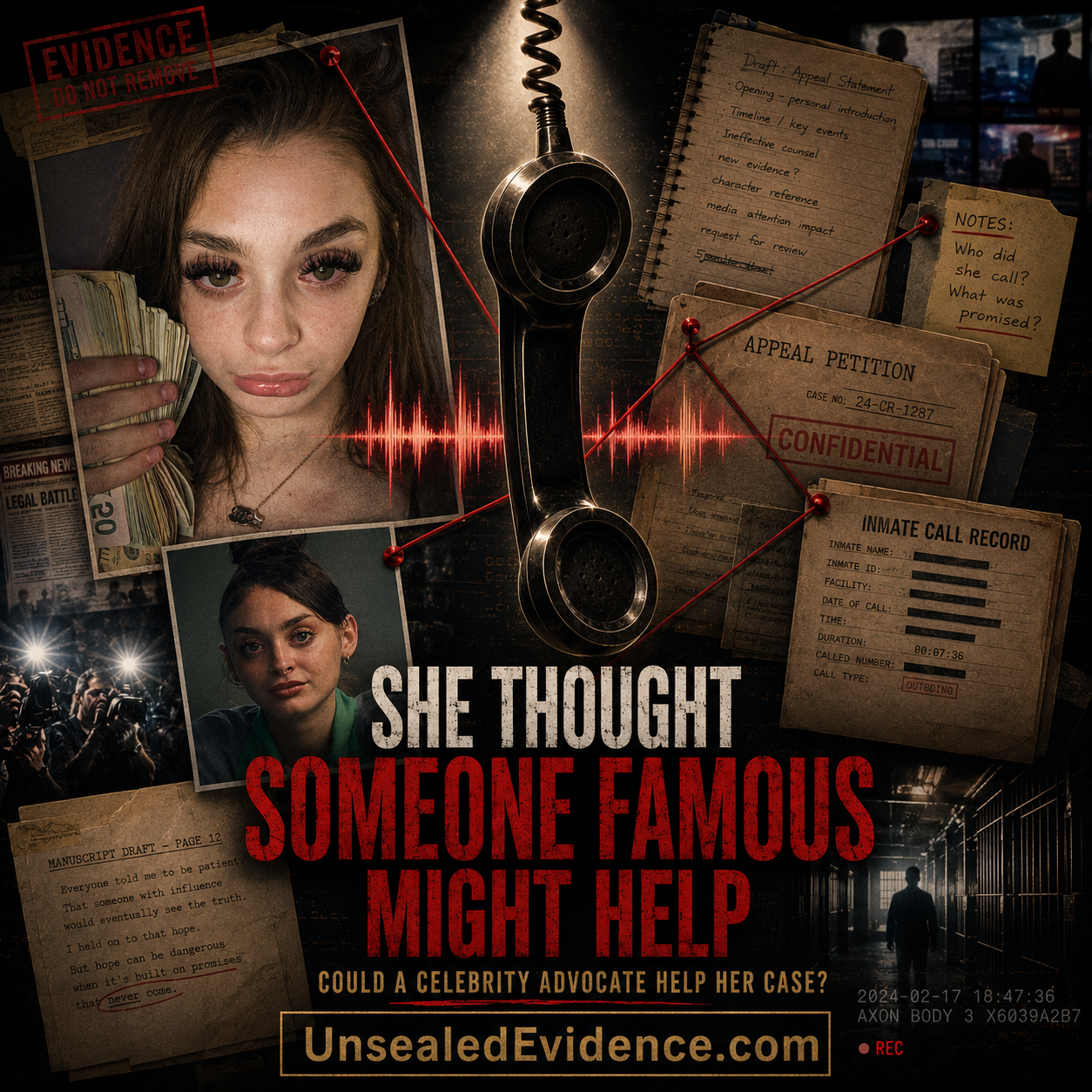
Kim Kardashian Reportedly Has No Interest In Mackenzie Shirilla's Case
Recorded jail calls revealed Mackenzie Shirilla discussing the possibility that Kim Kardashian might take an interest in her case. Days later, multiple media outlets reported that sources close to Kardashian indicated she has no plans to become involved, raising new questions about how Mackenzie and her family view public attention surrounding the case.
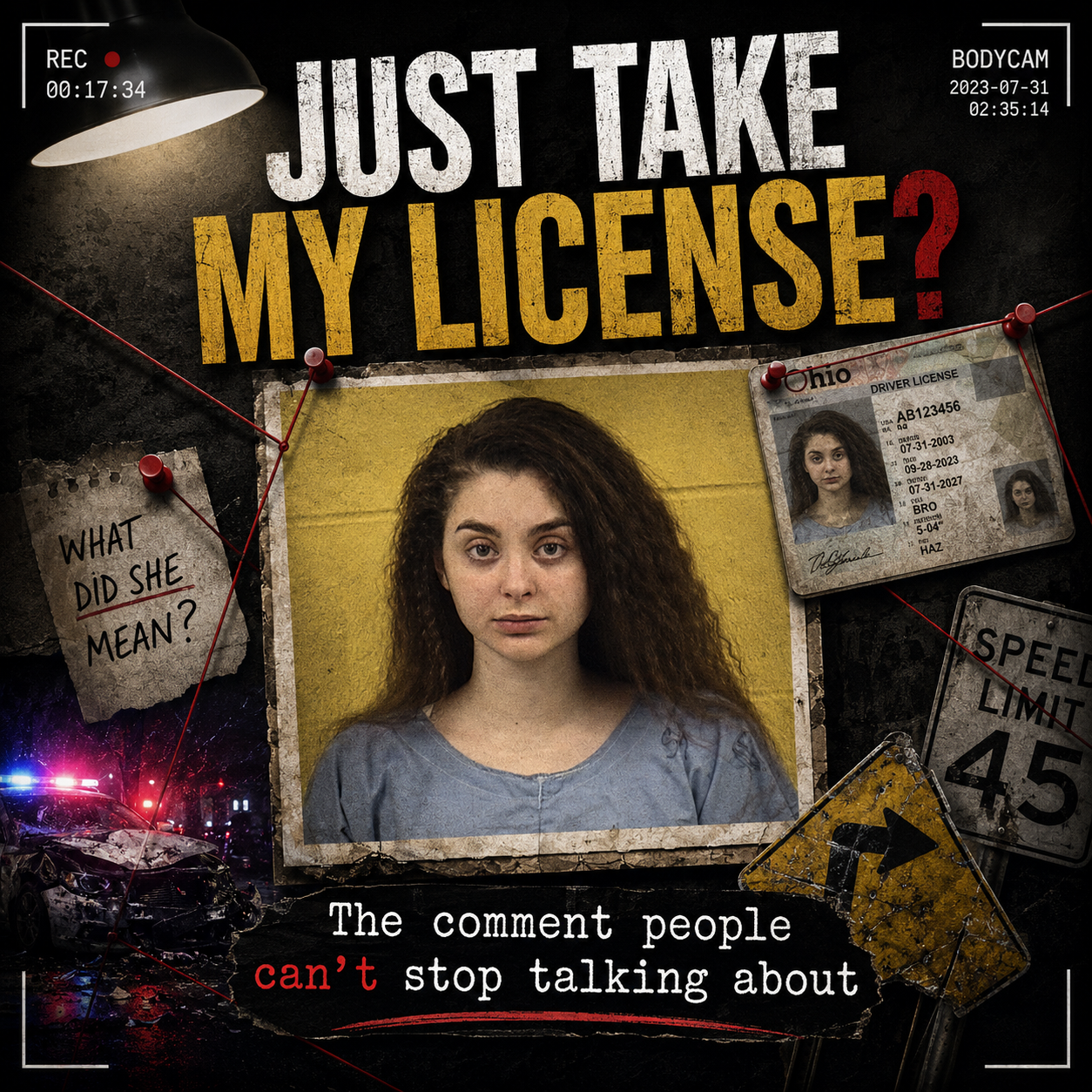
Did Mackenzie Shirilla Think Losing Her License Was the Worst Possible Outcome?
Among the newly released bodycam footage in the Mackenzie Shirilla case, one comment continues generating strong reactions. During a conversation with police, Mackenzie reportedly asked whether her driver's license could simply be taken away for ten years. Years later, critics still point to that exchange as a revealing glimpse into how she may have viewed the situation in the immediate aftermath of the crash.
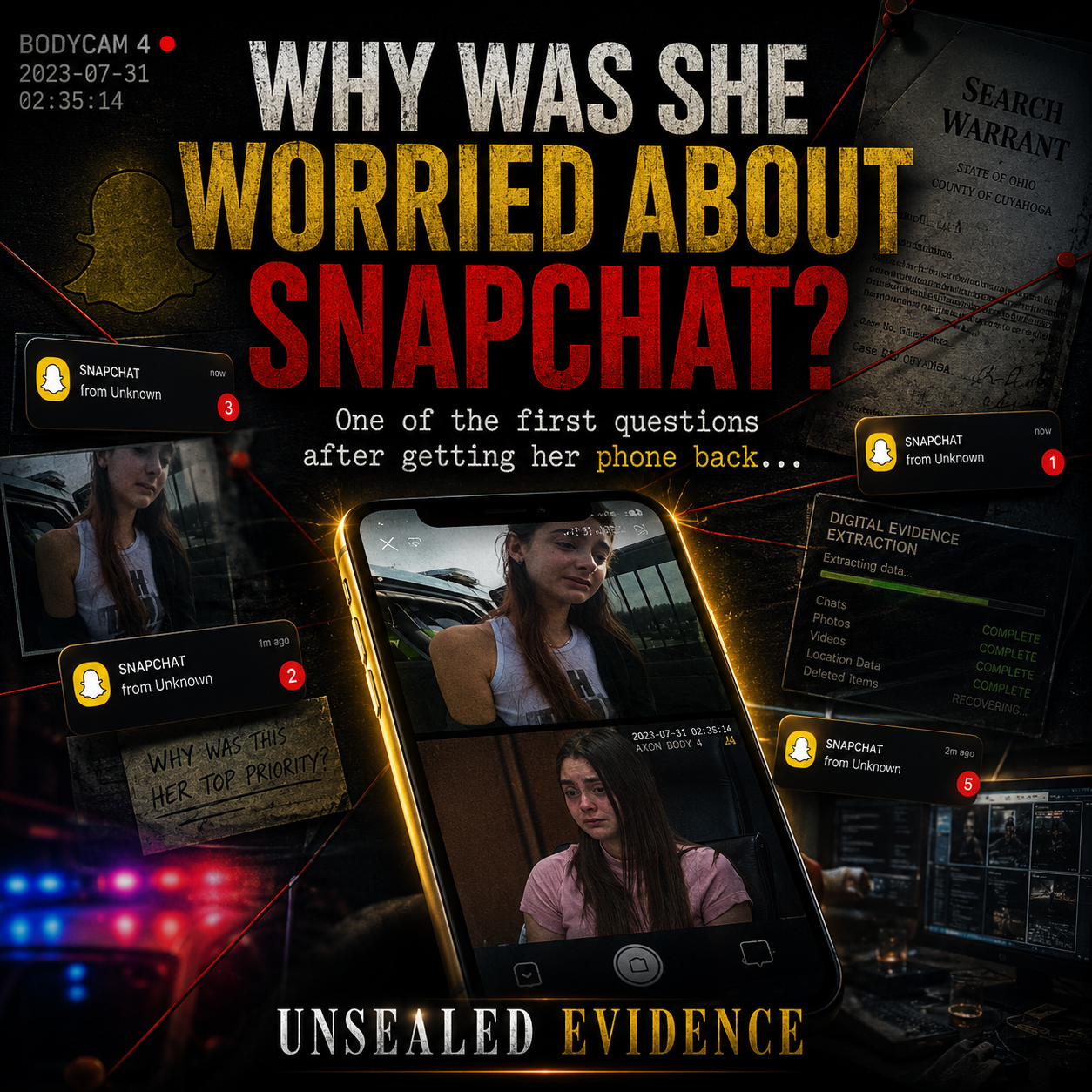
Why Were Snapchat Messages One of Mackenzie Shirilla's First Concerns After the Crash?
Newly released bodycam footage from the Mackenzie Shirilla case is sparking debate online after a conversation about Snapchat messages took center stage shortly after investigators returned her phone. For critics of Mackenzie Shirilla, the exchange raises uncomfortable questions about priorities, mindset, and what seemed most important in the aftermath of a crash that killed Dominic Russo and Davion Flanagan.
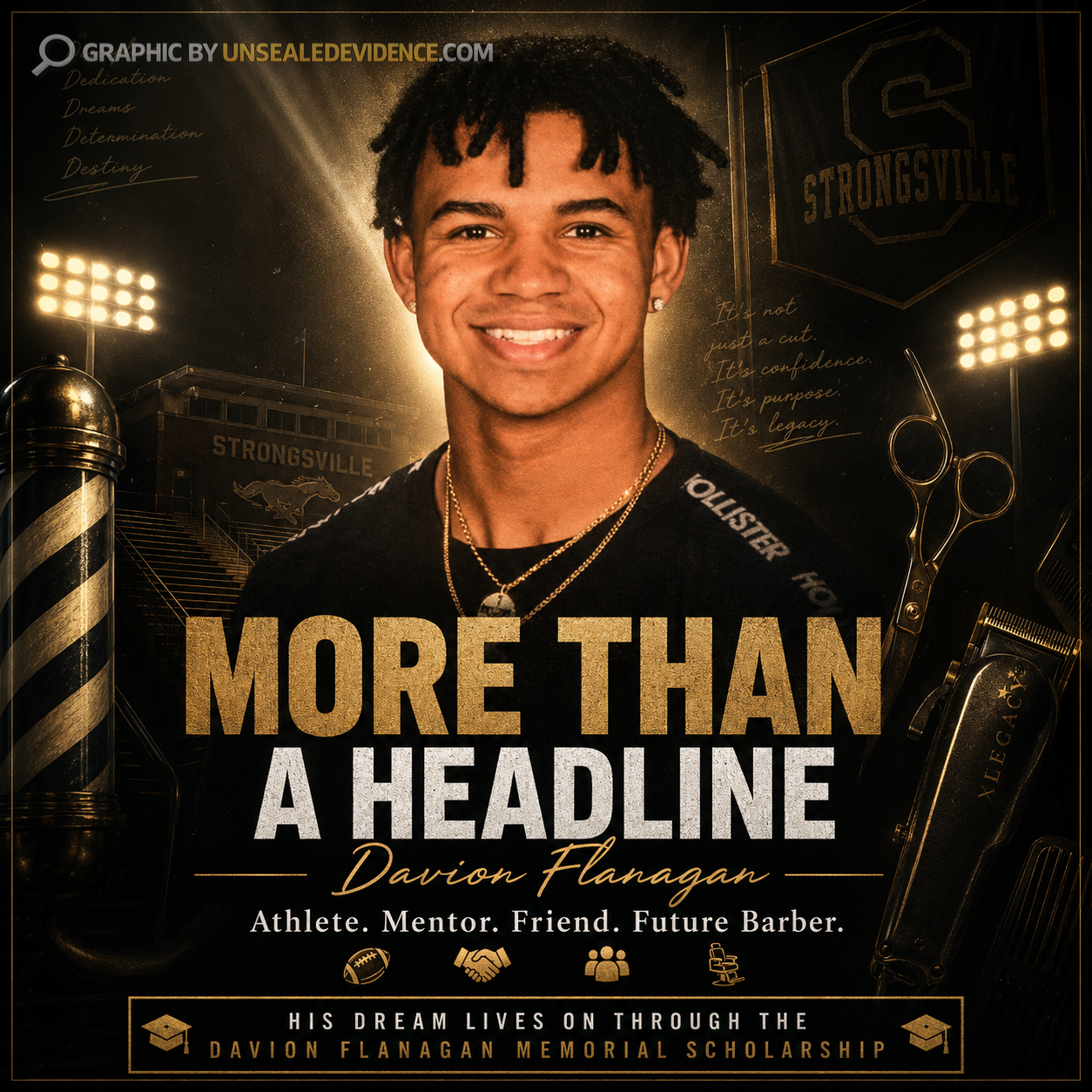
More Than The Friend In The Backseat: Remembering Davion Flanagan
In many true crime stories, victims slowly become overshadowed by the person responsible. But Davion Flanagan was more than a victim. He was an athlete, a mentor, a son, a friend, and a young man with dreams of becoming a barber. This is the story of who Davion was before the headlines.
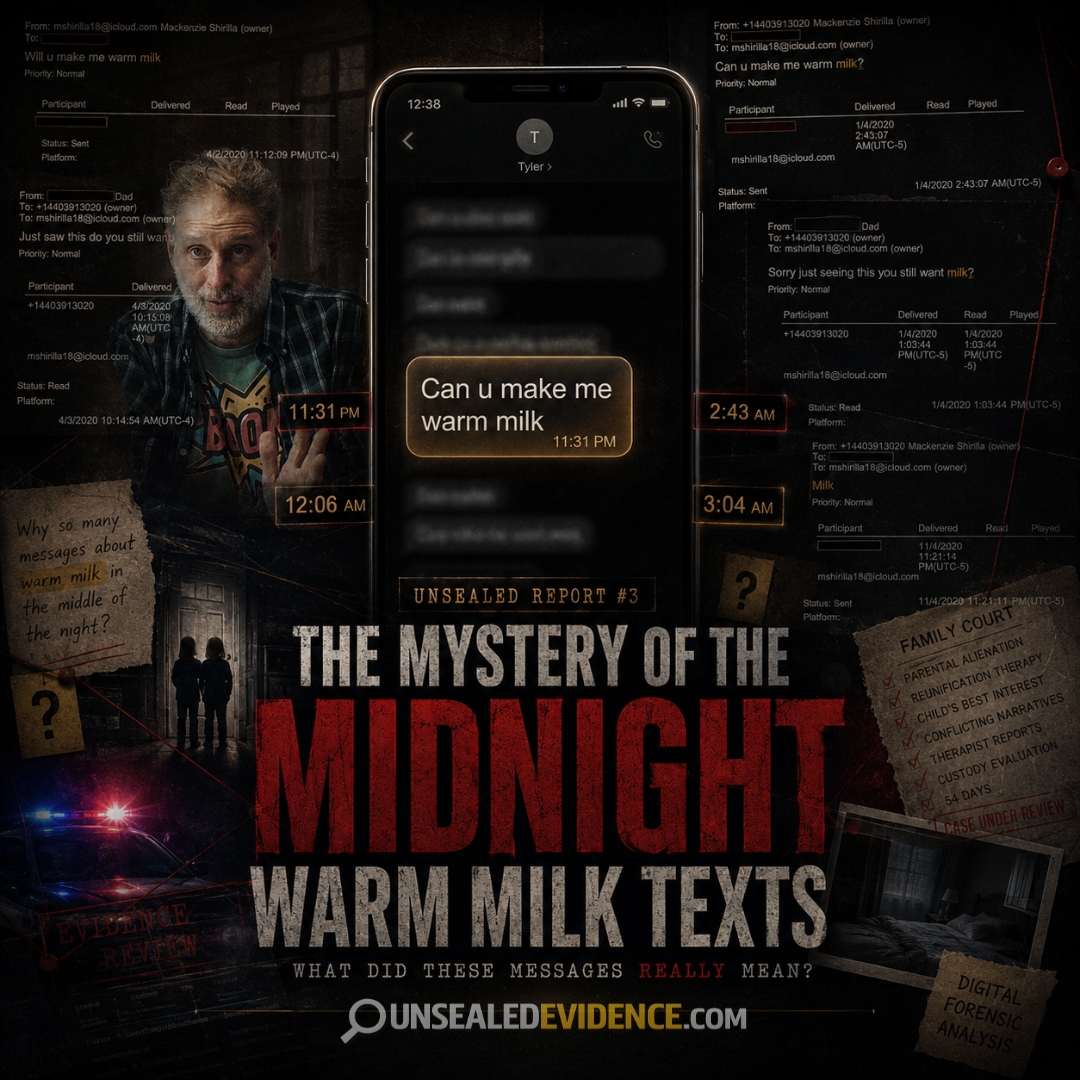
The Midnight Warm Milk Mystery: The Text Messages Raising New Questions About Mackenzie Shirilla's Home Life
Among the thousands of text messages extracted from Mackenzie Shirilla's phone, one recurring theme stands out. Over and over again, often after midnight and sometimes as late as 3 AM, Mackenzie repeatedly asked her father to make her warm milk. The requests appear frequently enough to draw attention, but it is the surrounding circumstances that have left many people asking whether these messages were really about milk at all.