Why So Many People Believe Mackenzie Shirilla’s Parents Failed To Intervene Before The Strongsville Crash
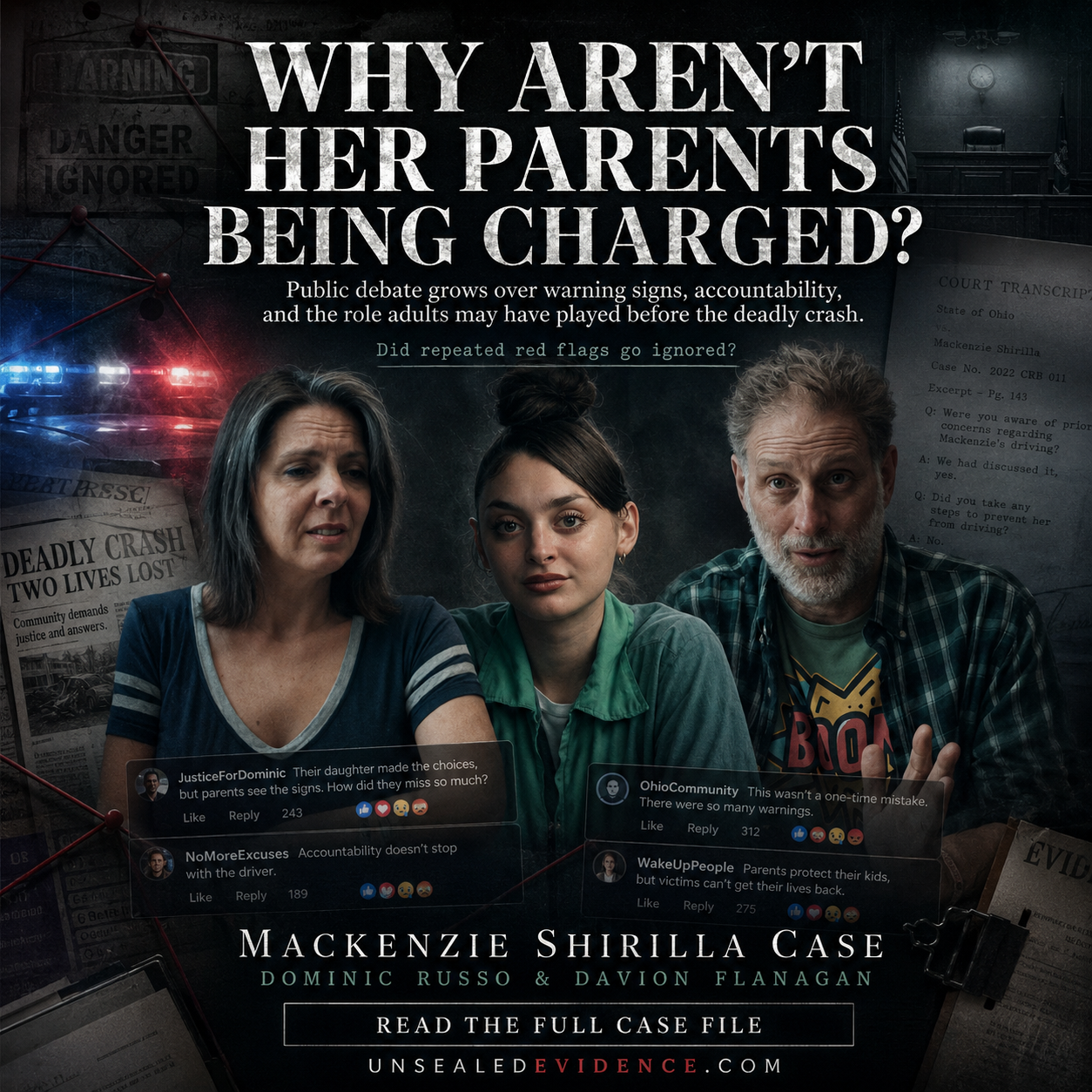
The Mackenzie Shirilla case has reignited a much larger public conversation about parenting, warning signs, enabling behavior, accountability, and whether tragedies like the Strongsville crash can sometimes be prevented long before they happen.
“This Didn’t Feel Like It Came Out Of Nowhere”
That’s one of the biggest things people keep saying after watching The Crash documentary or digging deeper into the Mackenzie Shirilla case afterward.
Because for many people, this story stopped being just about one crash a long time ago.
It became something much bigger.
It became a conversation about warning signs.
About parenting.
About enabling behavior.
About accountability.
About privilege, denial, toxic relationships, escalating instability, and the uncomfortable reality that some tragedies may slowly build over time long before the final horrific moment ever happens.
And honestly, that’s the part of this case that has stayed with so many people.
The Public Is No Longer Just Focused On Mackenzie
When Mackenzie Shirilla was convicted in connection with the deaths of Dominic Russo and Davion Flanagan, the focus was primarily on the crash itself.
The prosecution argued that she intentionally drove her vehicle into a brick building at approximately 100 mph.
Evidence presented during trial included full acceleration leading into the crash, no evidence of braking, steering corrections moments before impact, and testimony about the deteriorating relationship between Mackenzie and Dominic in the weeks leading up to the crash.
But after the Netflix documentary introduced the case to a much larger audience, the public conversation shifted.
Suddenly, people were not just discussing what happened inside the car that morning.
They started discussing everything that allegedly happened BEFORE it.
The fights.
The instability.
The warning signs.
The alleged threats.
The escalating emotional behavior.
The toxic relationship dynamics.
The THC found in Mackenzie’s toxicology after the crash.
The mushrooms and digital scale reportedly found inside the vehicle.
The allegations that Dominic had previously contacted Mackenzie’s parents during escalating situations because he allegedly needed help dealing with her behavior.
For many viewers, the crash no longer felt like an isolated tragedy.
It started feeling like the final explosion at the end of a long-burning fuse.
The Conversation About Her Parents Changed Everything
One of the biggest turning points in public opinion came from the way Steve and Natalie Shirilla were presented in The Crash.
To some viewers, they appeared like devastated parents desperately trying to hold onto the belief that their daughter could not have intentionally done something so horrific.
But to others, some of their statements created an entirely different reaction.
A reaction that can basically be summed up as:
“Were warning signs being minimized for far too long?”
One moment that especially sparked backlash online was Steve Shirilla openly discussing marijuana use and essentially dismissing it as not being a major concern.
Now to be clear — prosecutors themselves stated they did not believe marijuana impairment caused the crash.
That is important.
But for many viewers, that moment became symbolic of something larger.
People began questioning whether dangerous behavior had allegedly been normalized instead of confronted.
And once people started looking at the case through that lens, the public discussion changed dramatically.
The Hardest Question In This Entire Case
There’s a reason this case keeps generating such emotional reactions online years later.
Because underneath all the documentaries, evidence discussions, and courtroom arguments is one deeply uncomfortable question:
Could somebody have stopped this before Dominic Russo and Davion Flanagan lost their lives?
That question hits people hard because it forces them to think beyond the crash itself.
It forces people to think about all the moments BEFORE tragedy.
The moments where someone maybe should have stepped in harder.
The moments where people allegedly saw instability but hoped things would calm down.
The moments where toxic behavior possibly became so normalized that nobody fully recognized how dangerous the situation was becoming.
That’s why this case resonates with so many parents.
Because people see pieces of real life in it.
Teen relationships that become emotionally explosive.
Behavior changes that get brushed off as “normal drama.”
Risk-taking behavior that slowly escalates over time.
Families trying to defend their child while possibly struggling to admit how serious things have become.
And perhaps most unsettling of all:
The realization that sometimes tragedy does not arrive all at once.
Sometimes it builds quietly in the background while everyone around it slowly becomes used to the chaos.
Why People Feel So Divided About The Parents
This is where the case becomes emotionally complicated.
Because many people genuinely do feel sympathy for Steve and Natalie Shirilla.
At the end of the day, they are still parents whose daughter is serving life in prison.
Some people believe they are simply doing what many parents would do — standing beside their child no matter what.
But others believe there’s a major difference between loving your child and allegedly refusing to acknowledge escalating destructive behavior.
That’s where the accusations of enabling behavior enter the conversation.
Not because people believe Steve and Natalie physically caused the crash themselves.
But because critics argue there were allegedly too many warning signs for the instability surrounding Mackenzie to have gone unnoticed.
And once two young men ended up dead, many people began looking backward instead of forward.
Looking at every argument.
Every allegation.
Every warning sign.
Every moment people now feel should have been taken more seriously.
The Difference Between Moral Responsibility And Criminal Responsibility
One thing that repeatedly gets lost online is that moral responsibility and criminal responsibility are not always the same thing.
A lot of people emotionally feel the adults around this situation failed Dominic and Davion long before the crash happened.
But legally, proving criminal responsibility against parents is extremely difficult.
In order for prosecutors to realistically pursue charges, they would generally need evidence showing direct criminal involvement, criminal negligence under a very specific legal standard, knowingly supplying illegal substances, actively participating in crimes, or helping conceal criminal acts.
As of now, there has been no public indication prosecutors believe they can meet that legal threshold against Steve or Natalie Shirilla.
But emotionally?
That’s an entirely different conversation.
Because for many people following this case, the bigger issue is not whether the parents committed a crime.
The bigger issue is whether warning signs were allegedly ignored until it was too late.
This Case Became A Warning Story For A Lot Of Families
That’s ultimately why this case continues haunting people.
Not just because of the crash itself.
But because many people see this case as a warning.
A warning about toxic relationship dynamics.
A warning about escalating instability.
A warning about enabling destructive behavior.
A warning about what can happen when serious emotional issues allegedly become normalized instead of addressed.
And perhaps most importantly, a warning that some tragedies do not begin on the day lives are lost.
Sometimes they begin months earlier in arguments, instability, ignored warning signs, escalating behavior, and people convincing themselves things are “probably fine” when they really are not.
That’s the part of this case many people cannot stop thinking about.
Because Dominic Russo and Davion Flanagan should still be here.
And for many people following this case, the hardest part is wondering whether somebody could have changed the outcome long before that vehicle ever hit the wall.
Continue Investigating
The Forgotten Sister: Was Danielle Shirilla Held To Different Standards Than Mackenzie?
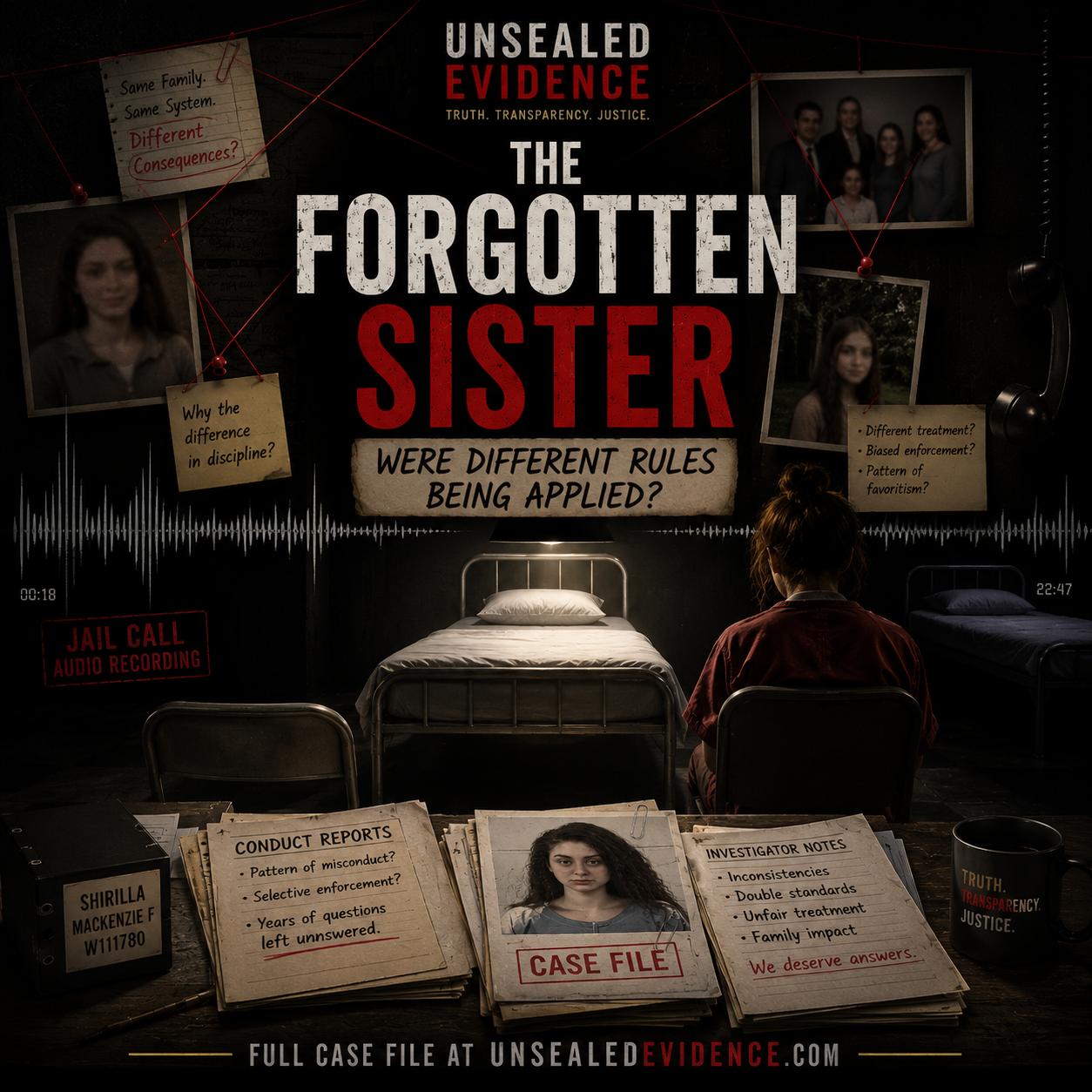
One comment buried inside a recorded jail call has people asking a question few seem interested in discussing: what was life like for Danielle Shirilla? While Mackenzie Shirilla became the focus of documentaries, headlines, and public attention, her older sister remains almost entirely absent from the story. A remark about Danielle losing her bed frame has reignited conversations about whether both daughters were held to the same standards.
Nude Photos, Explicit Video Calls, Unauthorized Medication and More: Inside Mackenzie Shirilla's Prison Disciplinary File
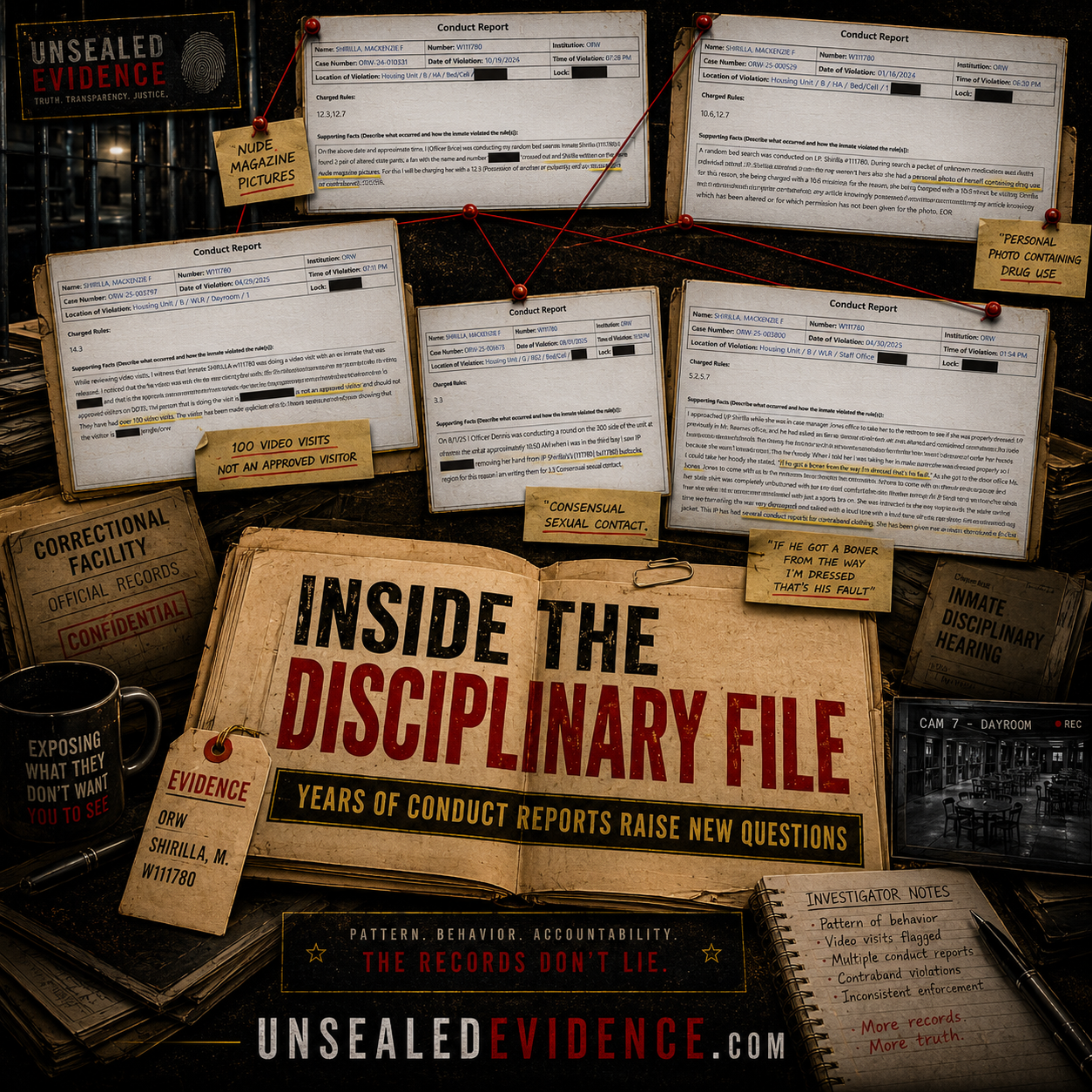
What exactly has Mackenzie Shirilla been getting written up for while behind bars? Newly obtained disciplinary records reveal allegations involving nude magazine photos, unauthorized medication, explicit video calls, stolen property, contraband, and more.
"What If The Families Don't Want Charges?" The Bodycam Exchange People Can't Stop Talking About
One of the most revealing moments in the newly released Mackenzie Shirilla bodycam footage has nothing to do with the crash itself. Instead, it centers on a conversation about whether Dominic Russo's and Davion Flanagan's families wanted criminal charges filed—and the officer's explanation of why that decision was no longer up to them.
Kim Kardashian Reportedly Has No Interest In Mackenzie Shirilla's Case
Recorded jail calls revealed Mackenzie Shirilla discussing the possibility that Kim Kardashian might take an interest in her case. Days later, multiple media outlets reported that sources close to Kardashian indicated she has no plans to become involved, raising new questions about how Mackenzie and her family view public attention surrounding the case.
Did Mackenzie Shirilla Think Losing Her License Was the Worst Possible Outcome?
Among the newly released bodycam footage in the Mackenzie Shirilla case, one comment continues generating strong reactions. During a conversation with police, Mackenzie reportedly asked whether her driver's license could simply be taken away for ten years. Years later, critics still point to that exchange as a revealing glimpse into how she may have viewed the situation in the immediate aftermath of the crash.
Why Were Snapchat Messages One of Mackenzie Shirilla's First Concerns After the Crash?
Newly released bodycam footage from the Mackenzie Shirilla case is sparking debate online after a conversation about Snapchat messages took center stage shortly after investigators returned her phone. For critics of Mackenzie Shirilla, the exchange raises uncomfortable questions about priorities, mindset, and what seemed most important in the aftermath of a crash that killed Dominic Russo and Davion Flanagan.
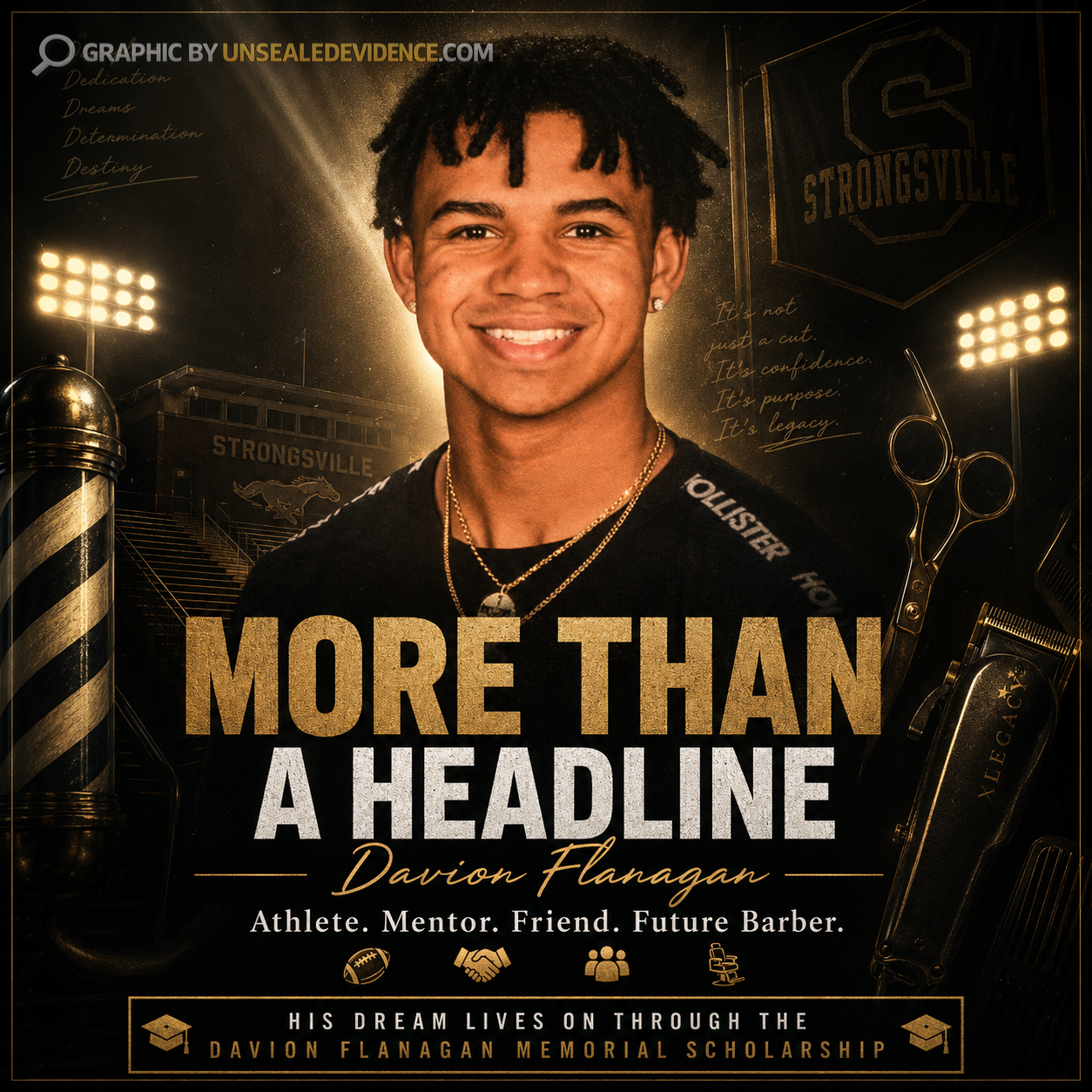
More Than The Friend In The Backseat: Remembering Davion Flanagan
In many true crime stories, victims slowly become overshadowed by the person responsible. But Davion Flanagan was more than a victim. He was an athlete, a mentor, a son, a friend, and a young man with dreams of becoming a barber. This is the story of who Davion was before the headlines.
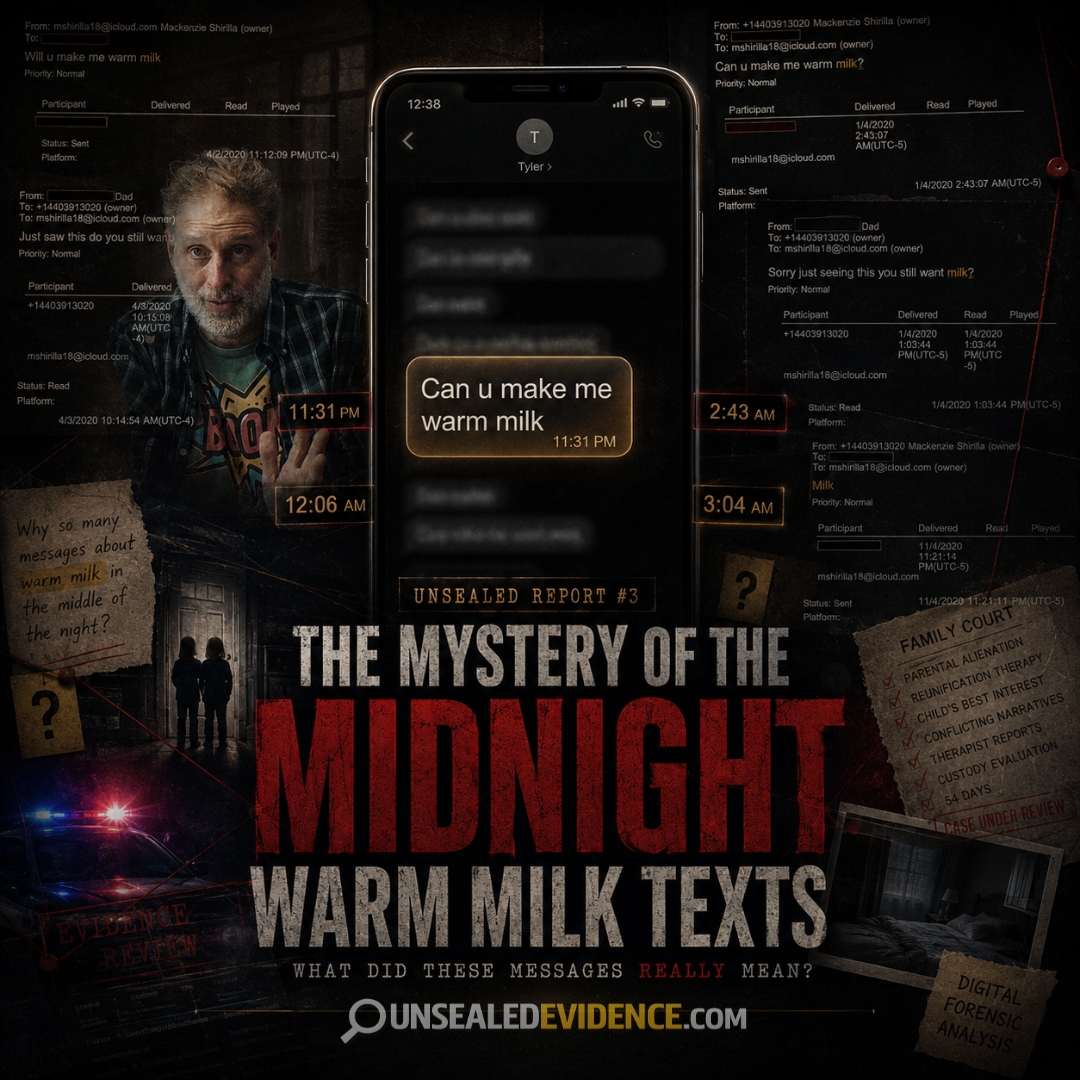
The Midnight Warm Milk Mystery: The Text Messages Raising New Questions About Mackenzie Shirilla's Home Life
Among the thousands of text messages extracted from Mackenzie Shirilla's phone, one recurring theme stands out. Over and over again, often after midnight and sometimes as late as 3 AM, Mackenzie repeatedly asked her father to make her warm milk. The requests appear frequently enough to draw attention, but it is the surrounding circumstances that have left many people asking whether these messages were really about milk at all.